


Commercial Hydroseeding Services Explained: Process, Benefits, and Timelines
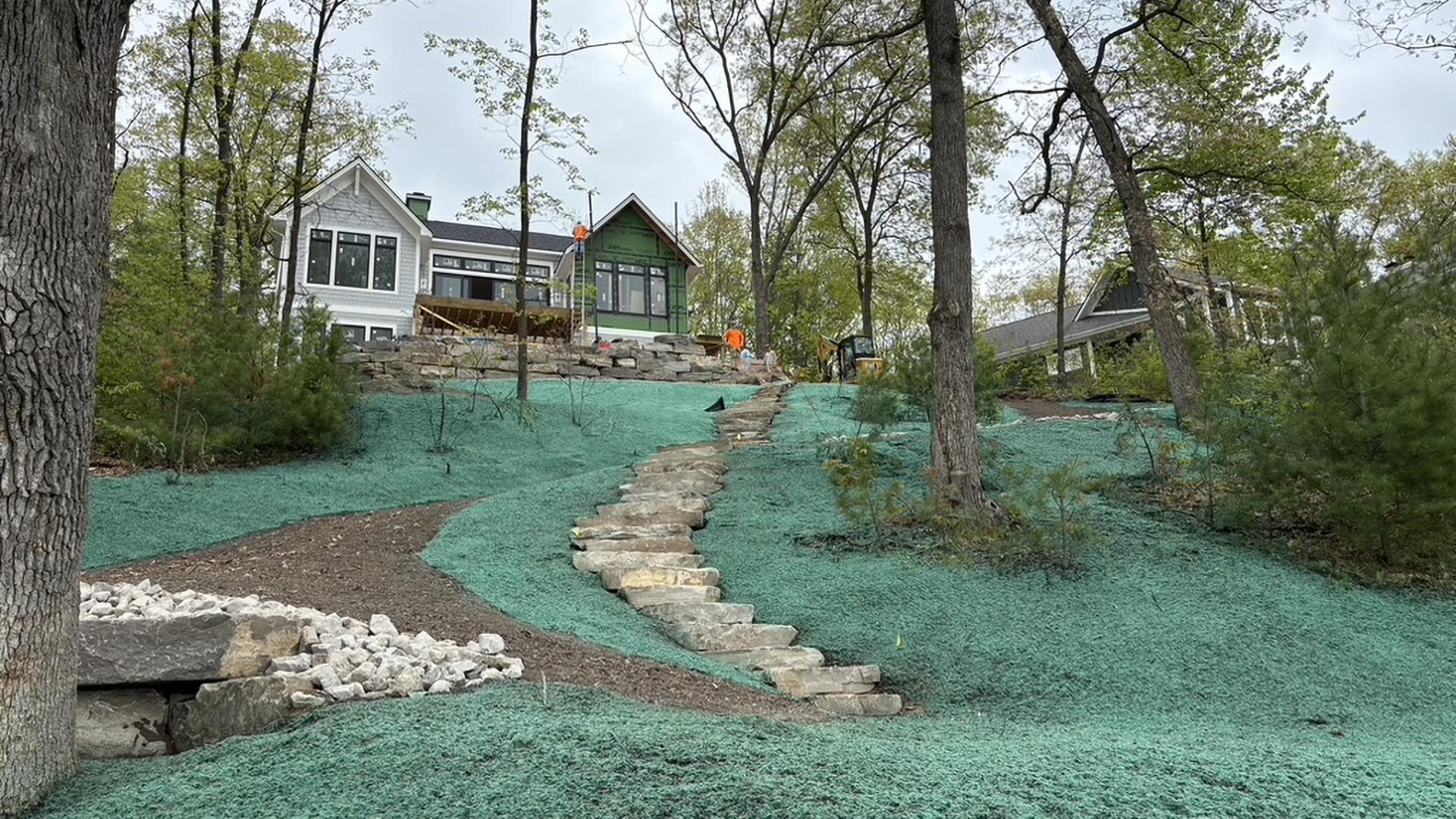
Commercial properties often include large areas where establishing healthy grass or vegetation quickly can be challenging. Traditional seeding methods may require extensive labor, while sod can involve higher material and installation costs. Commercial hydroseeding services provide another option by combining seed, water, mulch, fertilizer, and other appropriate materials into a sprayable mixture. The slurry can be distributed across prepared soil efficiently, making the method particularly useful for large landscapes, construction sites, business properties, slopes, and areas requiring vegetation restoration.
Successful hydroseeding involves more than simply spraying a seed mixture onto bare ground. Soil preparation, seed selection, application technique, weather conditions, irrigation, and ongoing maintenance all influence the final result. Extension specialists consistently emphasize that newly seeded areas need appropriate moisture during germination and that watering practices should change as roots develop. Understanding the complete process helps businesses establish realistic expectations about what hydroseeding can accomplish and how long the landscape may take to develop.
What Is Commercial Hydroseeding?
Commercial hydroseeding is a professional planting technique in which grass seed or other vegetation is combined with water and commonly with hydraulic mulch and fertilizer before being sprayed over a prepared seedbed. Some applications may also include tackifying agents or soil amendments based on the project's requirements. The mulch helps provide a protective layer around the seed and can assist with moisture retention and erosion management. The approach is especially useful when large areas need relatively uniform seed distribution.
The technique can be used for commercial lawns, business campuses, roadside areas, construction developments, recreational spaces, slopes, and other large properties. Its effectiveness depends on selecting vegetation suited to the location and preparing the soil appropriately before application. Hydroseeding is not a substitute for good site preparation or maintenance, and it does not guarantee instant growth. Instead, it provides an efficient way to place seed and supporting materials across prepared ground while giving the developing vegetation favorable conditions.
Step 1: Site Assessment and Soil Preparation
The process normally begins with an assessment of the property. Contractors examine the condition of the soil, grading, drainage, sunlight exposure, slope, existing vegetation, and intended use of the area. Construction sites may require additional attention because heavy equipment can compact the soil or leave behind debris and uneven surfaces. Correcting these problems before seeding can improve seed-to-soil contact and create a more suitable environment for root development.
Soil preparation may include removing rocks and debris, correcting grades, loosening compacted areas, and incorporating appropriate amendments when needed. The goal is to create a reasonably stable and receptive seedbed rather than simply covering an unsuitable surface with seed. Extension guidance similarly identifies proper soil preparation and seed-to-soil contact as important factors in successful establishment. Taking time during this stage can reduce uneven growth and help prevent avoidable problems later in the project.
Step 2: Selecting the Right Seed Mixture
Seed selection is another important part of professional hydroseeding. A commercial property may require grass that can tolerate frequent foot traffic, partial shade, drought conditions, mowing, or other environmental pressures. Other projects may focus primarily on erosion control, native vegetation, or restoring disturbed ground. Contractors should consider the local climate, soil conditions, sunlight, drainage, maintenance expectations, and intended function of the landscape before choosing a seed mixture.
Using a suitable seed variety is important because different grasses have different germination requirements and growth characteristics. For example, extension resources note that recommended seeding rates and establishment periods vary among grass species. A knowledgeable contractor should therefore be able to explain why a particular seed blend is appropriate for the property instead of applying one generic mixture to every project. This site-specific approach can support more consistent establishment and long-term landscape performance.
Step 3: Preparing and Applying the Hydroseed Slurry
After the site and seed mixture have been determined, the selected materials are combined inside specialized hydroseeding equipment. The slurry commonly contains water, seed, hydraulic mulch, and fertilizer, while some projects may require additional materials based on soil and environmental conditions. Once mixed properly, the material is pumped through hoses and nozzles and applied across the prepared surface. Oregon State University Extension describes hydroseeding as a contractor-performed method that combines seed, fiber mulch, fertilizer, and potentially a tackifying agent before spraying the mixture over the seedbed.
Professional application requires controlled coverage rather than simply spraying as quickly as possible. Operators need to account for property size, terrain, slopes, edges, access points, and areas requiring additional attention. Hydroseeding can be particularly useful on sloped or erosion-prone sites where conventional equipment may be difficult to operate. Proper application helps distribute materials consistently while allowing the mulch layer to provide support around the newly applied seed.
Benefits of Professional Commercial Hydroseeding
One of the major benefits of commercial hydroseeding is efficient coverage across large areas. Businesses and developers may need to establish vegetation across expansive construction sites or commercial landscapes, making manual seeding labor-intensive. Hydroseeding allows contractors to apply multiple components in a coordinated operation. The method can also provide a practical solution for irregular terrain and slopes where conventional seeding approaches may be less convenient.
Another benefit is the role of hydraulic mulch in the establishment process. Mulch can help maintain moisture around the seed and provide some protection against surface disturbance and erosion. However, professional hydroseeding should not be viewed as a maintenance-free solution. Research-based extension guidance emphasizes that careful irrigation remains essential during the early establishment period. The combination of professional application and appropriate aftercare gives newly seeded vegetation a better opportunity to develop successfully.
Hydroseeding Timelines and What to Expect
The timeline for hydroseeding varies according to grass species, soil temperature, moisture, weather, sunlight, and other site conditions. Some seeds can begin germinating within days under favorable conditions, while others require considerably longer. Purdue Extension, for example, lists different germination periods for several common turfgrass species, demonstrating why there is no single timeline that applies to every hydroseeding project. Businesses should therefore evaluate progress according to the selected vegetation rather than expecting every project to develop at exactly the same speed.
The first few weeks are particularly important because developing seedlings have shallow root systems and can be damaged if the seedbed becomes too dry. Guidance from university extension programs recommends keeping newly seeded soil moist without creating excessive pooling or runoff. As the plants develop stronger roots, watering frequency can generally be reduced while irrigation becomes deeper. This gradual transition supports healthier root development and helps the landscape move toward its normal maintenance routine.
Maintenance After Commercial Hydroseeding
After application, watering is one of the most important responsibilities for the property owner or landscape team. Newly seeded areas generally need light, frequent moisture during the germination stage, although exact requirements depend on weather, soil, seed type, and irrigation capabilities. Excessive watering can also create problems by causing runoff, disturbing seed, or keeping the soil overly saturated. Extension recommendations consistently stress maintaining moisture without allowing the seedbed to become waterlogged.
As vegetation becomes established, maintenance practices should gradually change. Watering can become less frequent and deeper, while mowing should begin when the developing turf reaches an appropriate height for the selected grass. Weed management may also become necessary because disturbed soil and frequent irrigation can encourage unwanted plants during establishment. Businesses that follow professional aftercare instructions can protect their investment and give newly established vegetation a stronger foundation for long-term growth.
Commercial Hydroseeding vs. Residential Hydroseeding
Commercial and residential hydroseeding use the same basic concept, but project requirements can differ considerably. Commercial sites are often much larger and may include construction zones, extensive slopes, drainage challenges, public-facing areas, or strict completion schedules. Someone searching for residential hydroseeding near me may primarily need assistance with a private lawn or smaller property. Commercial clients, on the other hand, typically need contractors with equipment, staffing, and planning capabilities appropriate for larger-scale work.
The right contractor should be selected according to the project's actual requirements rather than simply the size of the company or the lowest quoted price. Businesses should ask about previous experience with comparable properties, soil preparation, seed selection, equipment, application procedures, and post-installation care. A clear project scope can also help establish what services are included before work begins. This makes it easier to compare providers based on the complete service rather than only the initial application cost.
Commercial hydroseeding services can provide an efficient approach to establishing vegetation across large and challenging properties, but successful results depend on more than the spraying process itself. Proper site preparation, appropriate seed selection, professional application, suitable weather conditions, and consistent aftercare all contribute to establishment. Timelines naturally vary because different grass species and environmental conditions behave differently. Businesses that understand these stages and work with experienced professionals can approach hydroseeding with realistic expectations and create a stronger foundation for healthy, durable commercial landscapes.

 English
 Arabic
 French
 Spanish
 Portuguese
 Deutsch
 Turkish
 Dutch
Dutch
 Italiano
 Russian
 Romaian
 Portuguese (Brazil)
