


What Happens When a Damaged Tooth Is Left Untreated?
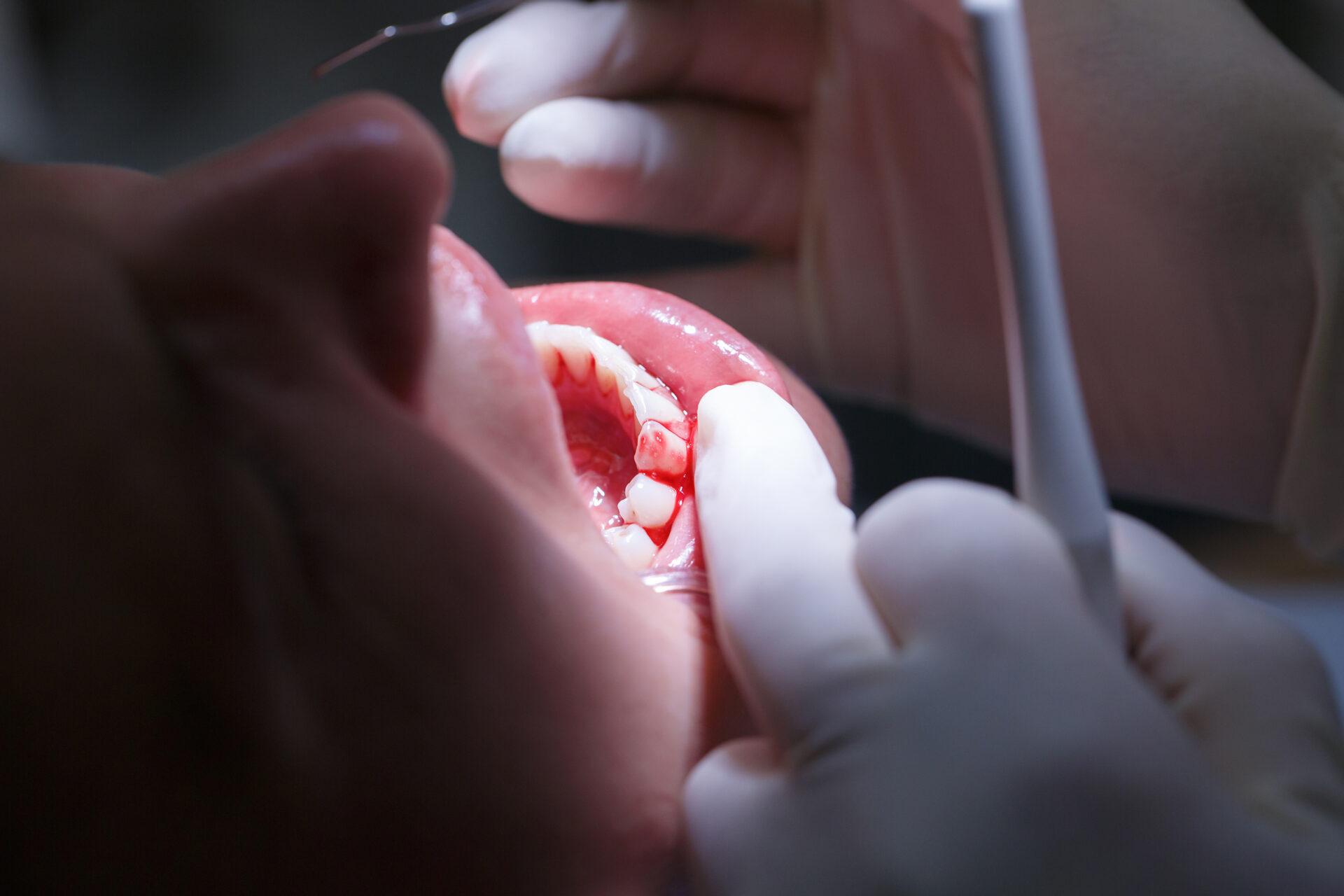
Knowing when to visit a Dentist St Kilda can make an important difference when you have a damaged tooth. A chipped, cracked, decayed, or painful tooth may seem manageable when symptoms are mild, but delaying treatment can allow the underlying problem to progress. What begins as minor sensitivity or discomfort can sometimes develop into deeper decay, infection, an abscess, or even tooth loss. Understanding what can happen when dental damage is ignored can help you recognise when professional care is necessary.
At Chapel Gate Dental, patients are encouraged to seek professional advice when they notice changes in their teeth rather than waiting for symptoms to become severe. Early assessment can help determine whether a tooth needs a simple restoration, protective treatment, root canal treatment in St Kilda, or another form of dental care.
What Causes Tooth Damage?
Teeth can become damaged for many different reasons. Tooth decay is one of the most common causes. Plaque bacteria produce acids that gradually weaken enamel, eventually creating a cavity. If decay continues, it can progress deeper into the tooth.
Other causes of tooth damage include:
-
Biting hard foods or objects
-
Sports or other dental injuries
-
Teeth grinding or clenching
-
Large or worn fillings
-
Cracks caused by pressure or trauma
-
Enamel erosion
-
Poor oral hygiene
The type and severity of damage determine how the tooth should be treated.
Early Damage May Have Few Symptoms
One reason damaged teeth are sometimes left untreated is that they may not hurt initially. Early tooth decay, for example, can develop without noticeable symptoms. As the decay becomes deeper, symptoms such as toothache, sensitivity, or pain when biting may appear.
This means waiting until a tooth becomes painful is not always a reliable way to decide when to seek care.
Regular dental examinations allow your dentist to identify problems that you may not be able to see or feel yourself. Dental check-ups can help identify tooth decay, infections, damage, and other concerns before they become painful or more difficult to treat.
Decay Can Become Deeper
If a cavity is left untreated, the damaged area can gradually become larger and deeper. What may initially require a relatively straightforward restoration can eventually reach the inner part of the tooth.
The pulp is the soft tissue inside a tooth containing nerves and blood vessels. When decay or damage reaches this area, the tooth may become inflamed or infected.
Symptoms can include:
-
Persistent toothache
-
Sensitivity to hot or cold
-
Pain when chewing
-
Increased sensitivity
-
Swelling around the tooth
At this stage, professional treatment becomes particularly important.
A Damaged Tooth Can Become Infected
A crack, cavity, or other opening can allow bacteria to enter deeper parts of the tooth. Once bacteria reach the pulp, infection can develop.
An infected tooth may cause pain, sensitivity, swelling, or changes in colour. However, symptoms can vary, and an infection does not always produce severe pain immediately.
Without treatment, infection can extend beyond the tooth and affect surrounding tissues.
An Abscess May Develop
One possible consequence of untreated dental infection is a tooth abscess. An abscess is a collection of pus caused by bacterial infection around or inside a tooth.
Possible symptoms include:
-
Sharp or throbbing toothache
-
Pain when biting or chewing
-
Swelling of the gums, cheek, or face
-
A bad taste in the mouth
-
Bad breath
-
Fever
-
A loose or uncomfortable tooth
A dental abscess will not simply disappear on its own. Healthdirect recommends seeking dental or medical care as soon as possible because an untreated abscess can worsen and, in serious cases, lead to complications.
You May Need Root Canal Treatment
If infection or significant damage reaches the pulp, your dentist may recommend root canal treatment in St Kilda to try to save the natural tooth.
Root canal treatment involves removing infected or damaged pulp from inside the tooth. The root canals are cleaned, disinfected, shaped, and sealed. The tooth is then restored, often with a filling or crown, to protect its structure and restore function.
Root canal treatment can be an alternative to removing an infected tooth when the tooth can still be restored.
The specific treatment required depends on the condition of the tooth and the surrounding tissues.
Delayed Treatment May Mean More Complex Care
When a dental problem is identified early, treatment may sometimes be simpler. For example, early decay may be managed with preventive care or a filling, depending on its stage.
If the problem progresses into deeper decay, infection, or structural damage, treatment may become more involved. Healthdirect notes that untreated tooth decay can lead to pain, abscesses, swelling, broken teeth, and chewing problems.
This is one reason regular dental examinations are valuable even when you do not currently have tooth pain.
A Tooth May Eventually Need to Be Removed
In some cases, a severely damaged or infected tooth may no longer be suitable for restoration. If the tooth cannot be predictably saved, extraction may be recommended.
Healthdirect explains that when an infected tooth is not treated, the infection can worsen and the tooth may ultimately need to be removed.
Losing a tooth can then create another treatment decision. Depending on the location and number of missing teeth, replacement options may include a bridge, denture, or dental implant.
Whenever possible, early assessment can help determine whether preserving the natural tooth is an option.
Missing Teeth Can Affect Your Bite
If a damaged tooth is eventually lost, leaving the gap untreated may affect how your remaining teeth function. Healthdirect notes that when a tooth is lost, other teeth can move into the space.
A missing tooth can also affect chewing and, depending on its location, speech and appearance.
Replacing a missing tooth may therefore become an important part of restoring normal dental function.
Cracks Can Become Worse
A cracked tooth should also be assessed even if the discomfort is minor. Repeated chewing pressure can cause a crack to progress, potentially affecting deeper tooth structures.
A tooth that has been damaged through an injury should also be examined. Healthdirect recommends seeing a dentist after a dental injury to help prevent long-term damage.
Treatment may vary depending on the severity of the crack or injury and may include bonding, a crown, root canal treatment, or extraction in more severe cases.
When Should You See a Dentist?
You should arrange a dental assessment if you notice:
-
Persistent toothache
-
Sensitivity that keeps returning
-
Pain when biting or chewing
-
A chipped or cracked tooth
-
A visible cavity
-
Swelling around a tooth
-
Bleeding or swollen gums
-
A bad taste or pus
-
A loose adult tooth
-
A dental injury
A Dentist St Kilda can examine the affected tooth and determine what is causing the symptoms.
If you develop significant facial swelling, difficulty breathing or swallowing, or severe swelling of the mouth or tongue, seek urgent medical attention.
How to Protect a Damaged Tooth While Waiting for Care
If you have a damaged tooth and are waiting for an appointment, avoid chewing hard foods on the affected side. Maintain gentle oral hygiene and follow professional advice regarding pain relief.
After a dental injury, a cold compress may help with swelling. If a tooth has been knocked out, urgent dental attention is important because prompt treatment can improve the possibility of saving the tooth.
Avoid attempting to repair a damaged tooth yourself or placing unapproved substances directly on it.
Can Damaged Teeth Be Prevented?
Not every dental injury can be prevented, but good daily habits can reduce the risk of many dental problems.
Helpful habits include:
-
Brush twice a day with fluoride toothpaste
-
Clean between your teeth daily
-
Limit frequent sugary snacks and drinks
-
Avoid chewing ice or hard objects
-
Wear a suitable mouthguard during contact sports
-
Attend regular dental check-ups
-
Seek care when symptoms first appear
Healthdirect recommends regular dental check-ups, brushing twice daily, and cleaning between teeth as part of good oral health care.
FAQs
1. Can a damaged tooth heal on its own?
A tooth with structural damage or established decay generally requires professional assessment. Early decay may sometimes be managed or arrested with preventive treatment, but a cavity or significant structural damage should not simply be ignored.
2. When might I need root canal treatment?
Root canal treatment in St Kilda may be considered when the pulp inside a tooth becomes infected or significantly damaged. Symptoms can include persistent pain, sensitivity, swelling, or pain when chewing, although some infections may have few symptoms.
3. What happens if an infected tooth is left untreated?
An untreated infection can worsen and may result in an abscess, swelling, damage to surrounding tissues, or eventual tooth removal. Prompt dental assessment is recommended when infection is suspected.
4. Is it necessary to see a dentist if a cracked tooth does not hurt?
Yes. A crack can become more extensive even when symptoms are limited. A dental assessment can determine the severity of the damage and whether the tooth needs protective treatment.
Final Thoughts
Leaving a damaged tooth untreated can allow a relatively small problem to progress into deeper decay, infection, an abscess, or tooth loss. Not every damaged tooth will follow the same path, but early professional assessment gives you a better opportunity to understand the problem and consider appropriate treatment.
At Chapel Gate Dental, patients can receive personalised assessment and treatment planning for damaged and infected teeth. Whether you need a routine restoration or root canal treatment in St Kilda, seeking professional care when you first notice a problem can help protect your natural teeth and support your long-term oral health.

 English
 Arabic
 French
 Portuguese
 Deutsch
 Turkish
 Dutch
Dutch
 Italiano
 Russian
 Romaian
 Portuguese (Brazil)
 Greek
Greek
