


What to Expect During a Teeth Filling Procedure
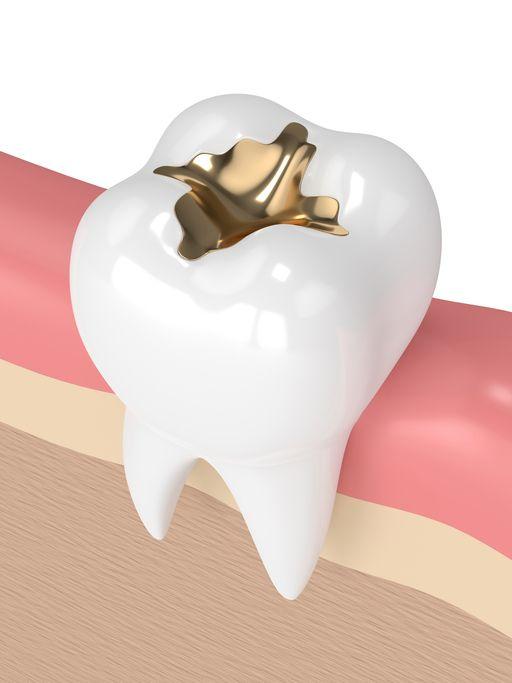
A teeth filling is a common dental procedure used to repair teeth affected by cavities, minor damage, or decay. When decay is identified early, filling the affected tooth can help restore its structure and function while preserving natural tooth material. Understanding what happens before, during, and after the procedure can make the experience more comfortable and predictable.
For many patients, the idea of dental treatment can create uncertainty. Knowing the typical steps involved can help you prepare for your appointment and understand why each stage is necessary. The procedure is generally straightforward, although the exact approach depends on the condition of the tooth and the type of filling selected.
What Is a Teeth Filling?
A teeth filling is a restoration placed inside a tooth after a dentist removes decayed or damaged material. The filling replaces the affected portion and helps restore the tooth's normal shape.
Different materials may be used, including composite resin, amalgam, ceramic, or other dental materials. Tooth-colored composite fillings are often selected when appearance is an important consideration, while the choice ultimately depends on the tooth's location, condition, and professional recommendations.
Step 1: Dental Examination
The first stage usually involves a detailed examination of the tooth. Your dentist may look for visible signs of decay, check for sensitivity, and assess the surrounding teeth and gums.
Dental X-rays may also be recommended when decay is difficult to see or when the dentist needs a clearer view of the tooth's internal structure. This assessment helps determine whether a filling is appropriate or whether another treatment may be required.
If you are considering Teeth filling in Islamabad, discussing your symptoms and dental history during the consultation can help your dentist develop an appropriate treatment plan.
Step 2: Preparing for the Procedure
Before treatment begins, the dentist usually explains the procedure and answers questions about the filling material and expected experience. Local anesthesia may be administered to numb the area around the affected tooth.
The purpose of anesthesia is to help minimize discomfort during the procedure. You may feel pressure or movement while the dentist works, but the sensation can differ from person to person.
Step 3: Removing the Decay
Once the area is numb, the dentist removes the decayed portion of the tooth using specialized dental instruments.
The dentist works carefully to remove the damaged material while preserving as much healthy tooth structure as possible. The area is then cleaned to prepare it for the filling.
This step is important because leaving untreated decay underneath a restoration may affect the long-term condition of the tooth.
Step 4: Placing the Filling Material
After the tooth has been cleaned and prepared, the selected filling material is placed into the space.
With composite resin fillings, the material may be applied in several layers. Each layer can be hardened using a special dental curing light. Other materials may be placed using different techniques.
The dentist carefully adapts the material to the shape of the tooth so that it restores the missing structure and supports normal function.
Step 5: Shaping and Polishing
Once the filling has been placed, the dentist shapes it to match the natural contours of the tooth. This helps ensure that the restoration does not interfere with your bite.
You may be asked to gently bite down so the dentist can check how your upper and lower teeth come together. If the filling feels slightly high, it can usually be adjusted.
The restoration may then be polished to provide a smoother surface.
What Does a Teeth Filling Feel Like?
The experience varies depending on the tooth being treated, the extent of decay, and individual sensitivity. Local anesthesia can help reduce discomfort during treatment.
You may notice sounds, vibration, pressure, or movement while the dentist works. These sensations are generally different from pain.
If you feel discomfort during the procedure, communicate with your dentist. They can assess the area and determine whether additional numbing or another adjustment is appropriate.
What to Expect After the Procedure
After treatment, the numbness from local anesthesia may continue for a while. During this period, it is important to be careful when eating or drinking so you do not accidentally bite your cheek, lip, or tongue.
Some temporary sensitivity to temperature or pressure may occur after a filling. This can improve as the tooth settles.
If pain becomes severe, lasts longer than expected, or is accompanied by swelling or other concerning symptoms, contact your dentist for evaluation.
Caring for Your Filled Tooth
A filling does not make the tooth immune to future decay. Maintaining good oral hygiene remains important.
Brush your teeth regularly with fluoride toothpaste and clean between your teeth using floss or another dentist-recommended method. Reducing frequent sugary snacks and drinks can also help lower the risk of new cavities.
Routine dental appointments allow your dentist to monitor the filling and surrounding teeth. During these visits, your dentist can identify potential problems early and recommend appropriate care.
How Long Does a Filling Last?
The lifespan of a dental filling can vary. Factors such as the filling material, location of the tooth, biting pressure, oral hygiene, and eating habits can influence its durability.
A filling may eventually wear down, chip, crack, or develop problems around its edges. Regular dental examinations can help identify changes and determine whether a restoration needs repair or replacement.
Conclusion
Knowing what to expect during a teeth filling procedure can make dental treatment feel more manageable. From the initial examination and removal of decay to filling placement, shaping, and aftercare, each step is designed to restore the affected tooth and support normal oral function.
If you need Teeth filling in Islamabad, a professional dental consultation can help determine the condition of your tooth and the most appropriate treatment approach. With good oral hygiene and regular checkups, a restored tooth can remain an important part of a healthy smile.
Frequently Asked Questions
1. Is a teeth filling procedure painful?
Local anesthesia is commonly used to numb the treatment area and help minimize discomfort. You may experience pressure or vibration during the procedure.
2. How long does a teeth filling procedure take?
Treatment time depends on the size, location, and number of cavities being treated. Many simple fillings can be completed during one dental appointment.
3. Can I eat immediately after a filling?
Your dentist will advise you when it is appropriate to eat. If your mouth is still numb, waiting until sensation returns can help prevent accidental biting of the cheek or tongue.
4. How should I care for my tooth after a filling?
Continue brushing and flossing regularly, limit frequent sugary foods and drinks, and attend routine dental checkups. Contact your dentist if persistent or unusual symptoms develop.
For more information visit Enfield royal clinic in islamabad

 English
 Arabic
 French
 Spanish
 Portuguese
 Turkish
 Dutch
Dutch
 Italiano
 Russian
 Romaian
 Portuguese (Brazil)
 Greek
Greek
