


How Can You Write a Clear Brief for an Exhibition Stand Contractor?
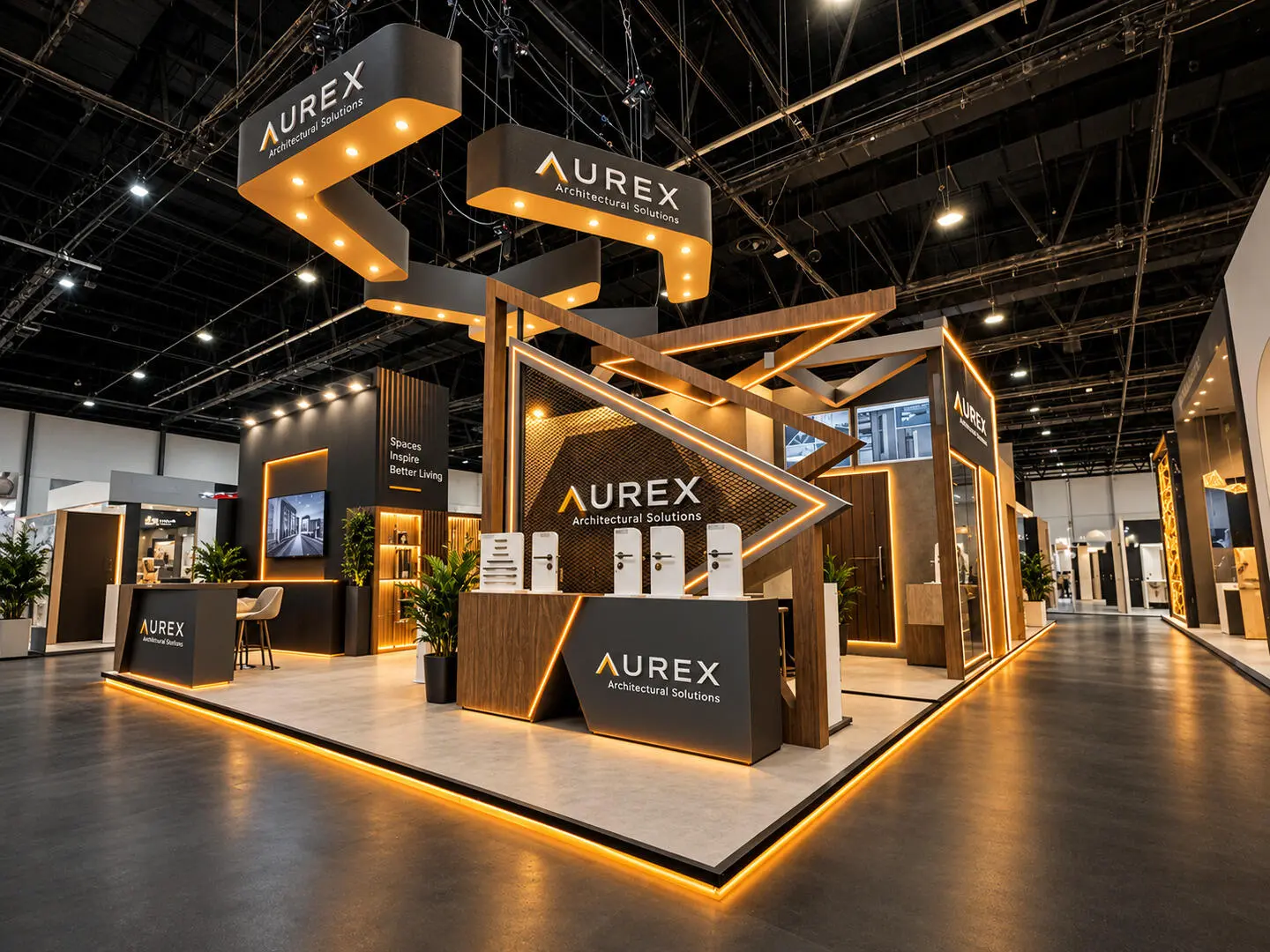
A clear exhibition stand brief gives the design and production team practical information about what the project needs to achieve. When working with a top event management company dubai, a detailed brief can also help coordinate the exhibition stand with wider event requirements.
The brief does not need to be complicated. It should explain the event, objectives, stand requirements, visitor experience, brand identity, technical needs, and important deadlines.
What Should an Exhibition Stand Brief Include?
A useful brief for corporate event planners dubai should provide enough information to understand the project without requiring repeated clarification.
Include:
-
Event name
-
Exhibition dates
-
Venue
-
Stand size
-
Stand location
-
Company profile
-
Exhibition objectives
-
Target visitors
-
Products or services
-
Branding requirements
-
Meeting requirements
-
Storage needs
-
Technology
-
Furniture
-
Key deadlines
The more accurate the information, the easier it becomes to develop an appropriate concept.
How Should You Explain Your Exhibition Objectives?
Start by explaining why the company is participating in the exhibition.
For example, the main objective may be to introduce a new product, attract qualified leads, meet existing customers, demonstrate technology, or strengthen brand visibility.
Avoid vague instructions such as "make it impressive." Instead, describe what visitors should notice, understand, or do when they enter the stand.
How Can You Describe Your Target Audience?
The target audience affects the way the space should function.
Consider whether visitors are:
-
Existing customers
-
Potential buyers
-
Distributors
-
Investors
-
Industry professionals
-
Government representatives
-
Media
-
Business partners
A stand designed for technical demonstrations may require a different layout from one primarily focused on private business meetings.
What Design Preferences Should You Mention?
If you have a preferred visual direction, describe it clearly. You can provide examples of colors, materials, shapes, lighting styles, or previous exhibition stands.
However, distinguish between preferences and requirements.
For example:
Requirement: Include two private meeting rooms.
Preference: Use an open and modern visual style.
This distinction allows the design team to understand which elements are essential and which can be explored creatively.
What Technical Information Should Be Included?
Technical requirements should be listed separately so they are not overlooked.
Include details such as:
-
Display screens
-
Interactive technology
-
Lighting
-
Audio
-
Internet
-
Product demonstration equipment
-
Charging points
-
Electrical requirements
If you are unsure about a technical specification, identify it as a question rather than making an assumption.
How Should You Set Project Deadlines?
List the important dates in chronological order.
| Milestone | Information to include |
|---|---|
| Design brief | Date the brief is issued |
| First concept | Expected presentation date |
| Design approval | Final review deadline |
| Artwork | Submission deadline |
| Production | Fabrication period |
| Delivery | Venue delivery date |
| Installation | Access and build schedule |
| Opening | Exhibition start |
This gives the contractor a clearer understanding of the available preparation period.
What Mistakes Should You Avoid?
Avoid overly broad instructions, incomplete information, unrealistic deadlines, and contradictory requirements.
Another common issue is changing the brief repeatedly after design development begins. If a major requirement changes, communicate it clearly and ask how it affects the timeline.
Can Visual References Help?
Yes. Reference images can help communicate design preferences that are difficult to describe in words.
Use references to explain:
-
Preferred materials
-
Lighting style
-
Layout ideas
-
Branding approach
-
Furniture style
-
Visitor flow
The references should be treated as direction rather than exact designs to reproduce.
Common Questions
How long should an exhibition stand brief be?
There is no fixed length. It should be detailed enough to explain the project without including unnecessary information.
Should the brief include a budget?
If relevant to the project, a budget framework can help define the scope. It should be discussed alongside the expected design and technical requirements.
Can I update the brief after sending it?
Yes, but major changes should be communicated clearly because they may affect design, production, and deadlines.
Should I include venue regulations?
Yes. Venue rules can influence structural design, electrical planning, installation, and other technical decisions.
Final Words
A strong exhibition stand brief connects business objectives with practical design requirements. Include the event details, audience, objectives, stand specifications, branding, technology, visitor needs, and deadlines. A clear brief reduces ambiguity and gives the contractor a stronger starting point for the project.

 English
 Arabic
 French
 Spanish
 Portuguese
 Deutsch
 Turkish
 Dutch
Dutch
 Italiano
 Russian
 Portuguese (Brazil)
 Greek
Greek
