


What Are the Main Stages of a Turnkey Exhibition Stand Project?
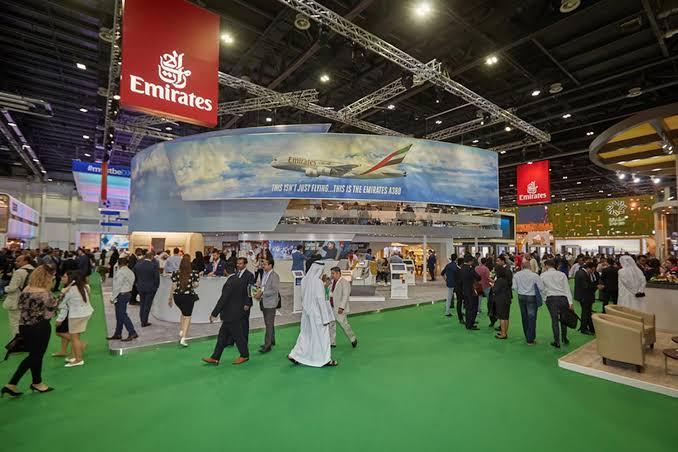
A turnkey exhibition stand project brings several activities together, but it still follows a sequence of important stages. Understanding this sequence helps exhibitors know what information is needed and when key decisions should be made.
Coordination with event planners in dubai may also be relevant when the stand is part of a wider corporate event or exhibition programme. A trade show display company dubai may handle some or all of the stand-specific activities, depending on the agreed scope.
1. Initial Project Brief
The project begins by establishing the basic requirements.
The brief may include:
-
Exhibition name
-
Venue
-
Stand size
-
Brand guidelines
-
Products to display
-
Meeting requirements
-
Storage
-
Technology
-
Furniture
-
Event dates
A detailed brief gives the design team a clear starting point.
2. Concept Development
The next stage involves creating a visual direction for the stand.
The concept considers visitor flow, branding, product visibility, meeting areas, storage, lighting, and the overall use of available space.
At this stage, the exhibitor can review whether the proposed layout meets the intended requirements.
3. Design Development
Once the concept is accepted, it can be developed into a more detailed design.
This may include:
-
Floor plans
-
Elevations
-
3D views
-
Material selections
-
Furniture plans
-
Lighting positions
-
Branding areas
-
Technology locations
The final design should be approved before fabrication begins.
4. Technical Planning
Technical drawings translate the visual concept into practical construction information.
Depending on the project, this may cover structural details, dimensions, electrical requirements, material specifications, and installation considerations.
Venue rules should also be checked during this stage.
5. Fabrication
The approved components are then produced.
Fabrication may involve walls, counters, display units, flooring, signage, storage, lighting structures, and decorative elements.
Quality checks can be conducted before the components are packed for delivery.
6. Graphics Production
Branding elements are prepared according to the approved artwork and final dimensions.
This stage should include checks for spelling, logos, colours, image quality, panel sizes, and positioning.
Incorrect artwork can be difficult to correct after installation begins, so approval should happen before printing.
7. Logistics
The completed components need to reach the venue at the appropriate time.
Logistics planning may cover:
-
Packaging
-
Labelling
-
Transportation
-
Loading arrangements
-
Venue access
-
Delivery times
-
Installation sequence
8. On-Site Installation
At the venue, the installation team assembles the stand according to the approved plans.
This can include flooring, walls, counters, graphics, lighting, furniture, technology, and decorative elements.
9. Testing and Inspection
The completed stand should be inspected before opening.
Lighting, electrical equipment, screens, interactive displays, furniture, graphics, and visitor routes should be checked.
Any outstanding issue should be documented and addressed where possible.
10. Handover
The final stage is handover to the exhibitor or responsible representative.
The stand should be clean, functional, complete, and ready for visitors.
Turnkey Project Timeline
| Stage | Main Activity |
|---|---|
| Brief | Establish requirements |
| Concept | Develop visual direction |
| Design | Create detailed layouts |
| Technical | Prepare construction information |
| Fabrication | Produce components |
| Graphics | Print branding materials |
| Logistics | Transport materials |
| Installation | Assemble the stand |
| Testing | Check functionality |
| Handover | Confirm readiness |
Why Does the Sequence Matter?
Each stage depends on information from the previous stage.
For example, fabrication depends on approved dimensions, while installation depends on completed and correctly packed components.
Keeping the stages organised reduces the chance that one late decision will affect several other activities.
Common Questions
Can the stages overlap?
Yes. Some activities can happen simultaneously when the required information is already approved.
What happens if the design changes after fabrication?
The change may require additional production work or adjustments. The effect depends on the nature of the change.
Is testing part of installation?
Testing normally takes place toward the end of installation, although individual systems may be tested earlier.
What does handover mean?
Handover confirms that the completed stand has been inspected and is ready for use according to the agreed project requirements.
Final Words
A turnkey exhibition stand project typically moves through briefing, concept development, detailed design, technical planning, fabrication, graphics, logistics, installation, testing, and handover. Understanding these stages helps exhibitors prepare information on time and maintain better control over the project from start to finish.

 English
 Arabic
 French
 Spanish
 Portuguese
 Deutsch
 Dutch
Dutch
 Italiano
 Russian
 Romaian
 Portuguese (Brazil)
 Greek
Greek
