


Why Does a Tooth Hurt When You Bite or Chew?
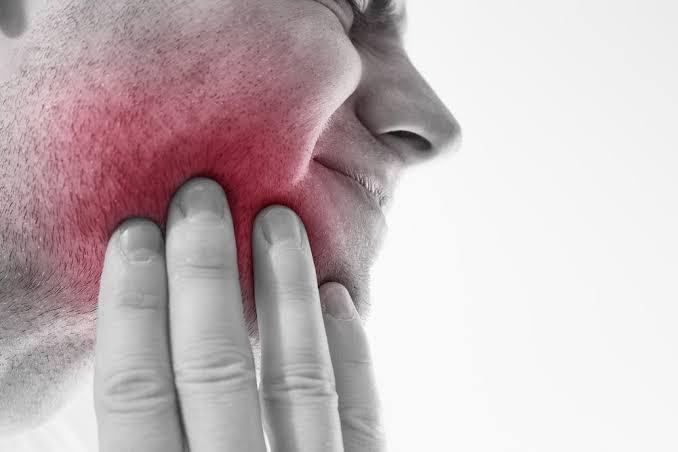
Pain while biting or chewing is not something you should routinely ignore. It can be caused by a cavity, cracked tooth, loose filling, gum inflammation, or infection affecting the inner part of the tooth. In some cases, Root Canal Treatment in Chandigarh may be recommended when the pulp inside the tooth has become inflamed or infected. Understanding why a tooth hurts when pressure is applied can help you seek timely dental care and prevent a minor problem from becoming more serious.
A tooth that looks normal from the outside can still have a problem underneath. Dental pain can sometimes come and go, making it tempting to wait for it to disappear. However, persistent or recurring pain while chewing deserves professional evaluation. A dentist can determine whether the cause is related to the tooth structure, nerve, gums, surrounding tissues, or bite.
What Does Pain While Biting Mean?
Pain during chewing usually means that pressure is affecting an irritated or damaged area. The exact cause can vary from person to person.
For example, sharp pain when biting may be associated with a crack, decay, or a loose restoration. Pain or tenderness when the dentist taps the tooth can sometimes indicate inflammation around the root. The American Association of Endodontists also identifies sharp pain when biting as a possible sign of decay, a loose filling, a cracked tooth, or pulp damage.
This is why chewing pain should not be treated as a diagnosis by itself. A proper dental examination is needed to identify the underlying problem.
1. Tooth Decay
One of the most common causes of tooth pain is dental decay. Cavities develop when acids produced by oral bacteria gradually damage the tooth structure.
Early decay may not cause any noticeable symptoms. As the cavity becomes deeper, it can reach the dentin and eventually the pulp. When the pulp becomes inflamed or infected, the tooth may become sensitive and painful.
The Indian Dental Association notes that untreated decay can progress into deeper sections of the tooth and eventually affect the pulp, causing pain and sensitivity.
If decay is treated early, a filling may be enough. If the infection has reached the pulp, Root Canal Treatment in Chandigarh may be needed to save the affected tooth.
2. A Cracked Tooth
A cracked tooth is another important reason for pain while biting or chewing. The crack may allow slight movement of the tooth structure when pressure is applied, irritating the pulp inside.
The pain may be sharp and may sometimes occur when you release your bite rather than when you first bite down. Sensitivity to hot or cold may also accompany the discomfort.
Cracks can occur due to biting hard foods, teeth grinding, injuries, large fillings, or general wear over time.
Treatment depends on the location and severity of the crack. Minor damage may sometimes be restored, while a crack affecting the pulp may require root canal treatment and a crown. A crack extending below the gumline may make the tooth impossible to save.
3. A Loose or Damaged Filling
If you have recently received a filling and suddenly experience pain while chewing, the restoration may need to be checked.
A filling can become loose, damaged, or worn over time. Sometimes the filling may also interfere with your bite if it sits slightly higher than the surrounding teeth.
A dentist in sec 15 chandigarh can examine the restoration and determine whether it needs adjustment, replacement, or additional treatment.
Do not assume that all pain after dental treatment is normal. Temporary sensitivity can occur after some procedures, but persistent or worsening symptoms should be evaluated.
4. Dental Infection
An infection inside the tooth can cause significant pain when biting or chewing. As inflammation develops around the tooth root, pressure from chewing may make the area more uncomfortable.
Other symptoms may include:
-
Persistent toothache
-
Swollen or tender gums
-
Sensitivity to temperature
-
Bad taste in the mouth
-
Pus around the tooth
-
Facial or jaw swelling
A dental abscess can develop when infection spreads around the root. Prompt professional treatment is important because an untreated dental infection can spread into surrounding tissues.
Depending on the condition of the tooth, treatment may involve drainage, root canal treatment, or extraction.
5. Inflammation Around the Tooth Root
The tissues surrounding a tooth root can become inflamed due to infection, trauma, excessive biting forces, or other dental problems. When these tissues are irritated, the tooth may feel tender when you bite down.
Sometimes patients describe the sensation as though the tooth is “higher” than the others or as if it is hitting first when they close their mouth.
A dental examination can help determine whether the discomfort is coming from the tooth itself or the supporting tissues.
6. Gum Disease
Although chewing pain is often associated with the tooth, the gums and supporting structures can also be responsible.
Advanced gum disease can damage the tissues and bone that support teeth. As support decreases, teeth may become loose or tender during chewing.
Warning signs of gum problems can include:
-
Bleeding gums
-
Redness
-
Swelling
-
Persistent bad breath
-
Gum recession
-
Loose teeth
Regular check-ups with a dentist in sec 15 chandigarh can help detect gum problems before they progress.
7. Teeth Grinding and Clenching
Grinding or clenching your teeth can place excessive pressure on individual teeth. This may cause soreness when chewing and can gradually wear down enamel.
Some people grind their teeth during sleep and may not realise they are doing it. Other signs can include morning jaw soreness, headaches, flattened tooth surfaces, sensitivity, or damaged restorations.
If grinding is suspected, a dentist can examine your teeth and discuss ways to protect them from excessive pressure.
8. A Problem With Your Bite
Sometimes chewing pain is caused by the way your upper and lower teeth meet. If one tooth receives excessive pressure when you bite, it may become tender.
This can happen after a new filling, crown, or other restoration, or because of natural changes in tooth alignment.
A dentist can evaluate your bite and determine whether an adjustment or further treatment is needed.
9. Recent Dental Treatment
Some sensitivity or mild discomfort can occur after dental procedures. For example, the pulp inside a tooth can become temporarily irritated after treatment.
However, symptoms that persist, become stronger, or are accompanied by swelling should not be ignored. The American Association of Endodontists recommends evaluation when symptoms continue or worsen after dental treatment.
If you recently had dental work and now experience persistent pain while chewing, contact your dentist for an assessment.
When Could You Need a Root Canal?
Not every tooth that hurts while chewing needs a root canal. Root canal treatment is generally considered when the pulp inside the tooth has become irreversibly inflamed or infected.
Signs that may indicate pulp involvement include:
-
Severe or persistent toothache
-
Lingering hot or cold sensitivity
-
Pain when biting
-
Swelling around the tooth
-
Deep decay
-
A cracked tooth affecting the pulp
-
Tooth discolouration
Root Canal Treatment in Chandigarh can help remove infected or damaged pulp, clean the internal canals, and seal the tooth. The purpose is to preserve the natural tooth when it can still be restored.
How Is the Cause Diagnosed?
Your dentist may use several methods to determine why a tooth hurts while chewing.
These may include:
Clinical Examination
The dentist examines the tooth, gums, restorations, and surrounding tissues.
Bite Testing
The tooth may be tested under controlled pressure to identify where the pain originates.
Temperature Testing
Hot or cold stimuli may help determine how the pulp is responding.
Dental X-Rays
X-rays can help identify deep decay, infection around the root, bone changes, and other problems that cannot be seen directly.
A detailed assessment is important because similar symptoms can have completely different causes.
What Should You Do Until Your Appointment?
If chewing causes pain, try to avoid putting pressure on the affected side. Choose softer foods temporarily and maintain normal oral hygiene without aggressively brushing the painful area.
Do not place aspirin or other medication directly on the tooth or gums. If you need pain relief, follow appropriate professional or medication-label guidance.
Most importantly, do not use temporary relief as a reason to postpone diagnosis.
When Should You Seek Urgent Dental Care?
Contact a dentist promptly if chewing pain is persistent or worsening. Seek urgent dental attention if the pain is accompanied by facial swelling, significant gum swelling, fever, difficulty swallowing, or difficulty breathing.
These symptoms can indicate a more serious infection requiring immediate assessment.
Final Thoughts
A tooth that hurts when you bite or chew can have several causes, including decay, cracks, damaged fillings, infection, gum disease, grinding, or bite-related pressure. Identifying the cause early is important because treatment can vary significantly depending on the underlying problem.
If the tooth pulp is infected or severely damaged, Root Canal Treatment in Chandigarh may help save the natural tooth and restore its function. At Dantaa Dental Clinic, patients can receive professional evaluation and guidance based on their individual dental needs.
If you experience recurring chewing pain, consulting a dentist in sec 15 chandigarh can help identify the problem before it develops into a more serious dental condition.
FAQs
1. Why does my tooth hurt only when I bite?
Pain that occurs specifically when biting may be related to a cracked tooth, deep decay, a damaged filling, infection around the root, or excessive bite pressure. A dental examination is needed to identify the exact cause.
2. Does pain while chewing always mean I need a root canal?
No. Chewing pain does not automatically mean a root canal is required. The cause may be a cavity, cracked tooth, filling problem, gum issue, or bite problem. Root canal treatment is considered when the tooth pulp is significantly inflamed or infected.
3. Can a cracked tooth be treated without extraction?
It depends on the location and severity of the crack. Some cracked teeth can be restored, while cracks extending below the gumline may make the tooth impossible to save. Early evaluation can improve the chances of appropriate treatment.
4. When should I visit a dentist for chewing pain?
You should arrange a dental examination if the pain is persistent, keeps returning, or is getting worse. Swelling, fever, pus, severe pain, or difficulty swallowing requires prompt dental attention.

 English
 Arabic
 French
 Spanish
 Portuguese
 Deutsch
 Turkish
 Italiano
 Russian
 Romaian
 Portuguese (Brazil)
 Greek
Greek
