


What Services Are Available at a Nasha Mukti Kendra?
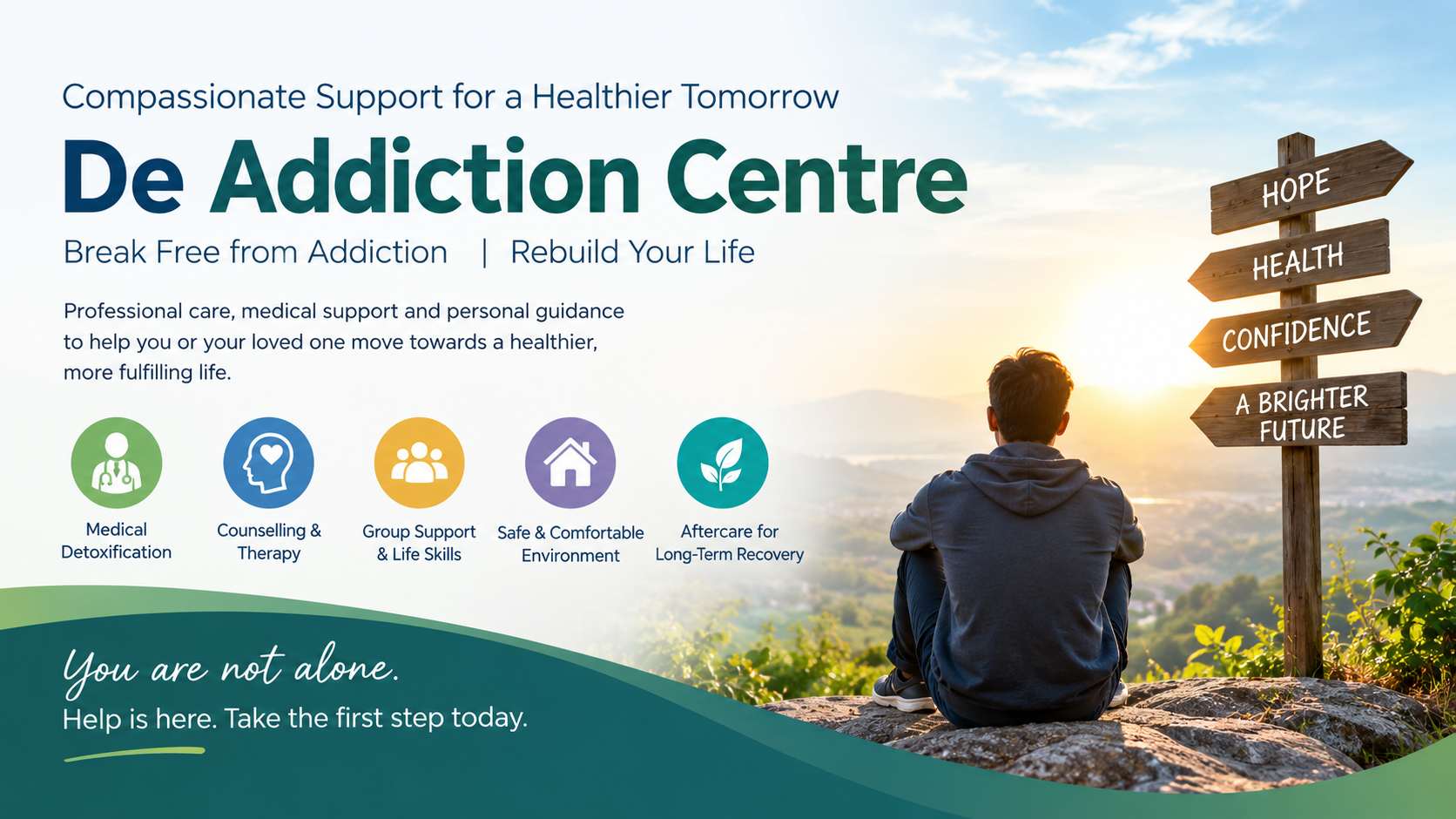
A phone call at 2 a.m. A son who hasn't come home. A husband who promised, again, that this was the last time. Families usually reach the point of searching for help only after a lot of sleepless nights. And even then, one worry stays: what actually happens inside a treatment place?
First Step: Doctor Check and Talk
On day one, nobody is handed a schedule and left alone. A doctor sits down with the person and asks plain questions. What do you use, how much, and for how long? Any old illness? Any medicines running right now?
Then come the basic tests: blood pressure, sugar, liver, sometimes a heart check. A person who has been drinking daily for ten years needs a very different plan from a young man who started with tablets last year. This first meeting decides the path for everything that follows.
Medical Support During Withdrawal Days
The first few days are the toughest. When the body is suddenly cut off from something it depended on, it protests. Shaking hands, sweating at night, stomach upset, a racing heart, and a mind that just won't switch off are all common.
This is where detox treatment matters. Doctors and nurses keep watch, give medicines to ease the symptoms, and step in fast if something goes wrong. Trying this at home without help can be risky, and in some cases dangerous. In a proper centre, someone is awake and nearby through the night.
Private Counselling Sessions That Build Honesty
Once the body calms down, the real work starts in the head. In private counselling sessions, a trained counsellor listens. No lectures, no pointing fingers.
Most people have never said certain things out loud. The job stress. A loss they never talked about. The friend group that always made it easy to slip. Putting these into words feels strange at first, then it feels like putting down a heavy bag. Over time the person starts noticing their own triggers before they turn into cravings.
Sharing Stories in Group Circles
Group sessions can feel awkward in week one. Sitting in a circle with strangers isn't everyone's idea of comfort. But something shifts quickly. Somebody says, "I hid bottles in my car for two years," and the room goes quiet because half of them did the same.
People also borrow ideas from each other, like how one man handles Sunday evenings, or how another deals with a friend who keeps calling.
Bringing Families Into the Process
Here's something many people overlook. Families get hurt too. They lose trust, money, and sleep. A good centre doesn't treat relatives as visitors; it treats them as part of the plan.
In family sessions, relatives learn how to speak without shouting, when to say no, and how to avoid the blame cycle at home. They also hear what the patient is going through, perhaps for the first time in years. Many homes start repairing right here.
Yoga, Exercise and Quiet Time
Mornings usually begin with yoga and breathing practice. Sounds simple, but it works. Stress eases, sleep improves, and the shaky, restless feeling slowly fades.
Walks, light workouts, carrom, cricket in the courtyard, and music in the evening fill the rest of the day. An idle mind drifts toward old habits, so a busy and cheerful routine is part of the treatment, not a bonus.
Proper Meals Planned for Healing
People skip meals, lose weight, or live on tea and snacks. Centres typically serve fresh home-style food, and many consult a dietitian for weak patients. Better food means better sleep, steadier mood, and enough strength to take part in therapy.
Skills for Life After Treatment
Staying clean needs more than a strong decision. It needs habits. Many programs teach how to manage anger, plan the day, say no to pressure, and talk to people calmly. Some also help with low mood or anxiety, since these often hide behind the habit.
Think of it as rebuilding a toolbox. When tough days return, and they will, the person has something to reach for.
How to Pick a Reliable Centre
If you live in the capital, a search for a Nasha Mukti Kendra Delhi brings up dozens of results, and they are far from equal. Go and see the place yourself if possible. Check the rooms, the kitchen, the bathrooms. Ask who the doctors are and whether their registration is valid. Notice how the staff talks to patients.
Be careful with anyone promising a guaranteed cure in seven days. Real recovery doesn't work that way. A trustworthy rehabilitation centre will be open about fees, rules, treatment length, and privacy, and it won't rush you into a decision.
Support That Continues After Discharge
Leaving the centre is not the finish line. It's closer to the start of the road. Good programs stay in touch through phone calls, follow-up visits, and refresher sessions. Some connect people with local support groups too.
And if someone slips? It doesn't erase their progress. It's a signal that more help is needed, and a caring team responds with support, not shame.
Small Things Families Can Do Now
-
Speak calmly, even when you're angry
-
Keep a note of the person's health history and medicines
-
Ask about cost, duration, and visiting hours before admission
-
Pack comfortable clothes and daily essentials
-
Be patient, since change takes months, not days
Wrapping Up
Treatment today covers far more than keeping someone away from a substance. It looks after the body, the mind, the family, and the days that come after. If you're watching someone you love struggle, you don't need a perfect plan. Start with one conversation, one visit, one honest question to a professional. That is usually how recovery begins.

 English
 Arabic
 French
 Portuguese
 Deutsch
 Turkish
 Dutch
Dutch
 Italiano
 Russian
 Romaian
 Portuguese (Brazil)
 Greek
Greek
