


How to Reduce Discomfort After Root Canal Treatment?
Some mild discomfort or sensitivity can occur after root canal treatment, especially during the first few days. This may happen as the tissues around the treated tooth settle after the procedure. Following your dentist’s aftercare instructions and protecting the treated tooth can help make recovery more comfortable.
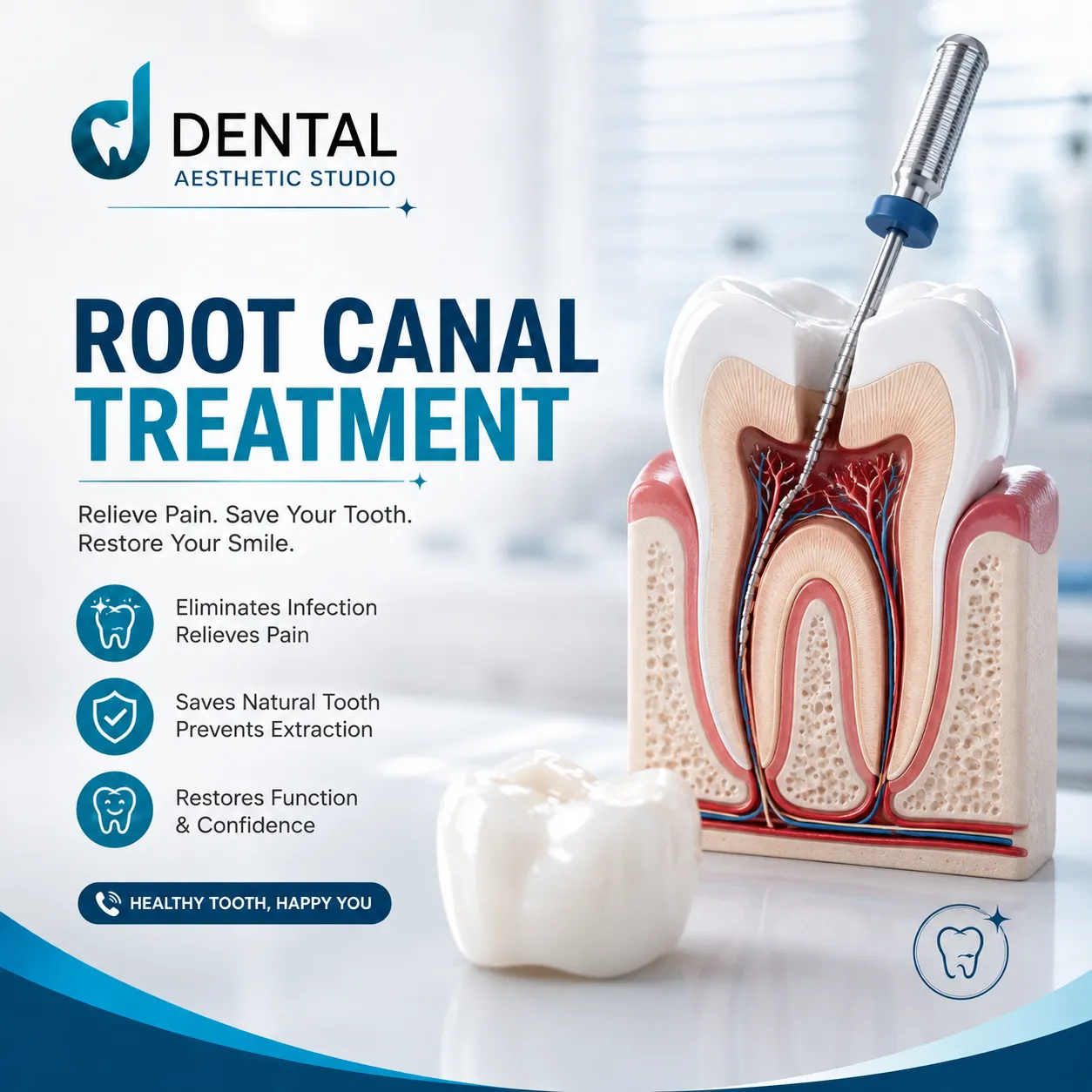
After treatment, it is important to avoid putting unnecessary pressure on the tooth until your dentist completes the recommended restoration. Root canal treatment removes infected or inflamed tissue and seals the inside of the tooth, but the surrounding area may remain temporarily sensitive while it heals.
Take Pain Relief as Recommended::
If your dentist recommends an over-the-counter pain reliever, take it according to the provided instructions and only if it is safe for you. Common options may include medicines such as ibuprofen or acetaminophen, depending on your individual health circumstances.
Do not exceed the recommended dose or combine medicines without checking with a healthcare professional. If your dentist has prescribed medication, follow the prescription instructions carefully.
Avoid Chewing on the Treated Tooth::
One simple way to reduce discomfort is to avoid chewing hard or sticky foods on the treated tooth, particularly before the permanent restoration has been placed.
Choosing softer foods temporarily can reduce pressure on the tooth and make eating more comfortable. Once your dentist confirms that the tooth has been properly restored, you can generally return to normal chewing as advised.
Choose Comfortable Foods::
Very hard, crunchy, or sticky foods can place additional pressure on a recently treated tooth. During the initial recovery period, softer foods may be easier to eat.
Foods such as yogurt, eggs, soft vegetables, rice, pasta, and other comfortable options can help reduce unnecessary pressure while the area settles.
Maintain Good Oral Hygiene::
Good oral hygiene remains important after root canal treatment. Continue brushing your teeth gently and cleaning between your teeth to help prevent plaque buildup and new dental problems.
You should not completely avoid cleaning around the treated tooth unless your dentist specifically tells you to. Gentle oral hygiene can help maintain the health of the surrounding gums and teeth.
Avoid Extreme Temperatures if Sensitive::
Some patients notice temporary sensitivity when consuming very hot or cold foods and drinks after dental treatment. If this happens, avoiding extreme temperatures for a short period may make eating and drinking more comfortable.
If sensitivity continues or becomes worse rather than gradually improving, contact your dentist for an evaluation.
Give Your Tooth Time to Recover::
Mild soreness after root canal treatment can improve over several days. Try to avoid unnecessary pressure on the treated area and follow the specific instructions provided by your dental professional.
Every patient and treatment is different, so your recovery time may vary depending on the condition of the tooth and the complexity of the procedure.
Complete the Recommended Restoration::
A tooth that has undergone root canal treatment may require a permanent filling, crown, or another restoration. Completing the recommended restoration can help protect the remaining tooth structure from further damage.
Delaying the final restoration may leave the tooth more vulnerable to fracture or other problems. Your dentist can tell you when the tooth is ready for its permanent restoration.
Understand the Cost of Follow-Up Care::
The overall cost of root canal treatment can depend on the tooth involved, treatment complexity, infection severity, and restoration required afterward. Follow-up care and a permanent restoration may form part of the overall treatment plan.
You can learn more about the factors affecting root canal treatment cost before discussing the complete treatment plan with your dentist.
When Should You Contact Your Dentist?:
Some discomfort can be expected after treatment, but severe or worsening pain should not be ignored. Contact your dentist if pain does not improve, becomes increasingly severe, or is accompanied by significant swelling or other concerning symptoms.
A dental professional can determine whether the discomfort is part of normal healing or whether another problem needs attention.
Final Thoughts on Reducing Discomfort::
Mild discomfort after root canal treatment can often be managed by following your dentist’s instructions, choosing softer foods, avoiding pressure on the treated tooth, maintaining good oral hygiene, and using recommended pain relief when appropriate.
If you experience persistent or severe symptoms, professional evaluation is important. For more information about root canal treatment and other dental services, visit Dental Aesthetics Studio.

 English
 Arabic
 French
 Spanish
 Portuguese
 Deutsch
 Dutch
Dutch
 Italiano
 Russian
 Romaian
 Portuguese (Brazil)
 Greek
Greek
