


Protein Requirements After Roux en Y Gastric Bypass Surgery A Complete Guide
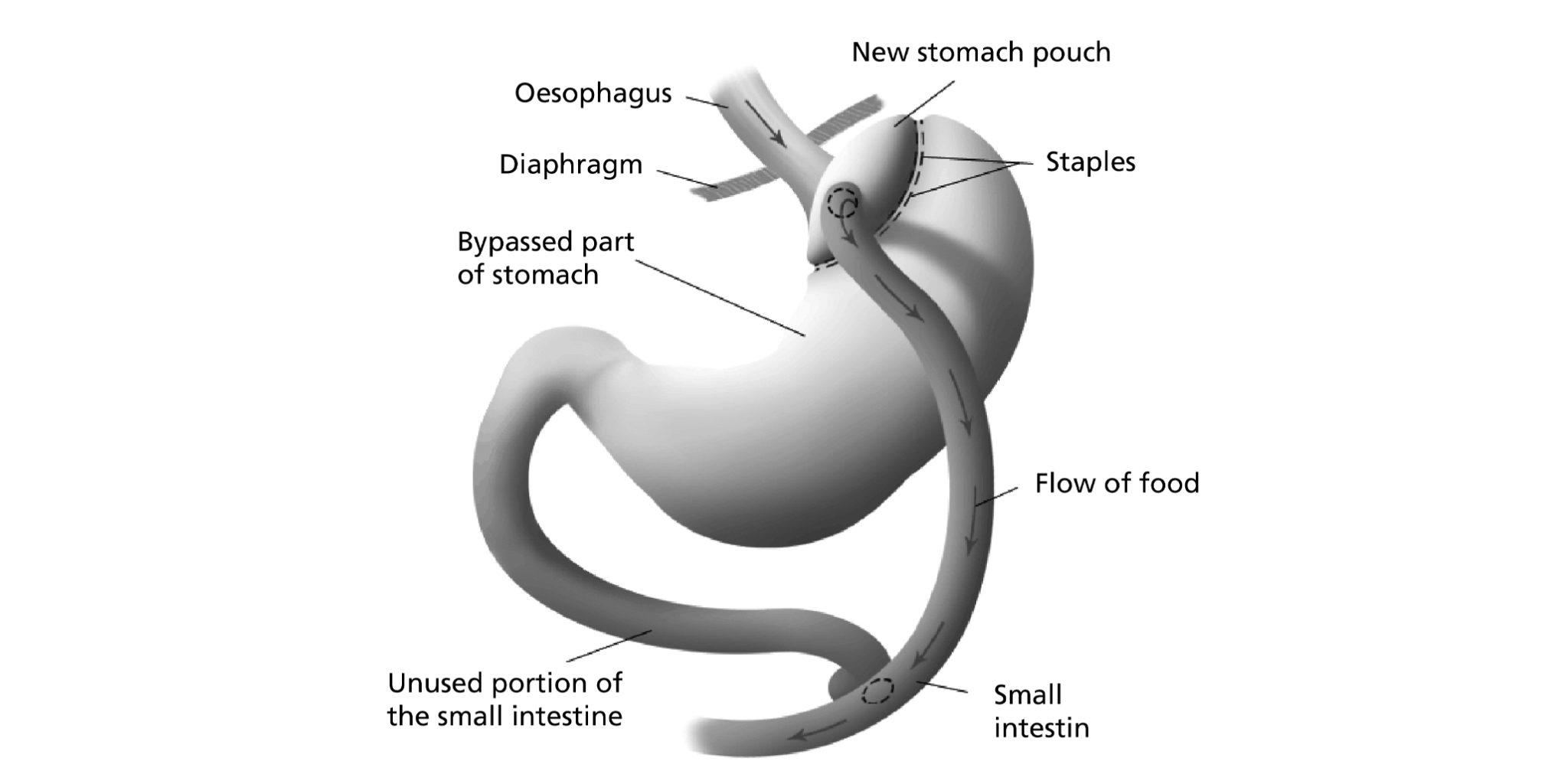
Roux en Y gastric bypass is a widely performed bariatric procedure that helps eligible patients achieve significant weight loss and improve obesity related health conditions. However, surgery is only one part of the long term journey. After the procedure, your stomach capacity is reduced and your digestive system is changed, making nutrition especially important. Among all nutrients, protein plays a central role in healing, preserving muscle mass, supporting metabolism, and maintaining overall health.
For patients considering Roux en Y Gastric Bypass Surgery in Islamabad, understanding protein requirements before and after the procedure can help them prepare for the dietary changes involved. Because food intake is initially limited after surgery, patients need to focus on consuming nutrient dense foods and meeting their protein goals according to the personalized recommendations of their bariatric surgeon and dietitian.
Why Protein Is Important After Roux en Y Gastric Bypass Surgery
Protein is an essential nutrient that supports many important functions in the body. Following gastric bypass surgery, patients consume smaller portions, which can make it challenging to obtain enough protein from regular meals alone.
Protein Supports Post Surgery Healing
After any major surgical procedure, the body requires adequate nutrition to support the healing process.
Key benefits of protein during recovery include
-
Supports tissue repair after surgery
-
Helps the body recover and heal properly
-
Contributes to wound healing
-
Supports the immune system
-
Helps maintain strength during recovery
Meeting your recommended protein intake can be an important part of following your post surgery nutrition plan.
Protein Helps Preserve Muscle Mass
Rapid weight loss can involve the loss of both body fat and lean muscle tissue. Adequate protein intake combined with appropriate physical activity can help support the preservation of lean body mass during weight loss.
Important benefits include
-
Supports muscle maintenance
-
Helps maintain physical strength
-
Supports mobility and daily activities
-
May help improve body composition during weight loss
-
Works alongside an appropriate exercise routine
Your individual needs may vary based on your weight, age, health status, activity level, and stage of recovery.
How Much Protein Do You Need After Gastric Bypass Surgery
There is no single protein target that is suitable for every patient. Protein requirements after Roux en Y gastric bypass surgery are usually individualized by the bariatric care team.
In many bariatric nutrition programs, patients may be advised to consume approximately 60 to 80 grams of protein per day after progressing through the recovery diet. However, some individuals may require more or less depending on factors such as body size, medical conditions, activity level, and nutritional status.
Your protein requirements may depend on
-
Current body weight
-
Lean body mass
-
Age
-
Gender
-
Physical activity level
-
Stage of post surgery recovery
-
Kidney and other medical conditions
-
Overall nutritional requirements
For this reason, patients should avoid copying another persons diet plan and should follow guidance from their surgeon and registered dietitian.
Protein Requirements During Different Recovery Stages
The diet after gastric bypass surgery usually progresses through several stages. Each stage has different goals and food choices, while protein remains an important nutritional priority.
Clear Liquid Stage
Immediately after surgery, patients generally begin with liquids according to their surgeons instructions. The primary goals during this period may include hydration and gradually tolerating the recommended diet.
Depending on the treatment plan, suitable options may include
-
Clear protein drinks approved by the medical team
-
Sugar free high protein beverages when recommended
-
Other clear liquids included in the prescribed diet plan
Patients should follow the exact instructions provided by their bariatric team rather than introducing foods too early.
Full Liquid Stage
As recovery progresses, the diet may advance to thicker liquids. This stage can provide additional opportunities to increase protein intake.
Common options may include
-
Protein shakes recommended by the bariatric team
-
High protein milk or milk alternatives when tolerated
-
Low sugar yogurt drinks when approved
-
Other medically approved high protein liquids
Small portions and slow drinking are generally important during this stage.
Pureed Food Stage
Once cleared by the healthcare provider, patients may gradually begin eating pureed foods. Protein rich choices can help patients move closer to their daily nutritional goals.
Examples may include
-
Pureed lean chicken
-
Pureed fish
-
Eggs prepared according to dietary instructions
-
Greek yogurt
-
Cottage cheese
-
Soft protein rich foods approved by the care team
Patients should prioritize protein before other foods when following their prescribed meal plan.
Soft Food and Regular Food Stage
As patients progress toward solid foods, they can obtain protein from a wider variety of sources. Portion sizes remain smaller than before surgery, so choosing high quality protein foods remains important.
Possible protein sources include
-
Lean chicken
-
Fish
-
Eggs
-
Low fat dairy products
-
Greek yogurt
-
Cottage cheese
-
Lean meat
-
Tofu
-
Beans and lentils when tolerated
-
Other protein rich foods recommended by the dietitian
The speed of progression differs between patients, so individual medical advice should always take priority.
Best Sources of Protein After Roux en Y Gastric Bypass Surgery
Choosing protein rich foods that are easy to tolerate can make it easier to meet nutritional requirements.
Animal Based Protein Sources
Animal based foods often provide complete protein and may be useful when included in an appropriate bariatric diet.
Examples include
-
Skinless chicken
-
Fish
-
Eggs
-
Lean cuts of meat
-
Greek yogurt
-
Cottage cheese
-
Low fat cheese in appropriate portions
-
Milk when tolerated
Some meats may be difficult to tolerate after surgery, especially if they are dry, tough, or not chewed thoroughly.
Plant Based Protein Sources
Plant based foods can also contribute to protein intake and dietary variety.
Examples include
-
Tofu
-
Beans
-
Lentils
-
Soy products
-
Other medically approved plant based protein products
Tolerance can vary, and some foods may cause bloating or discomfort during certain stages of recovery.
Protein Supplements and Shakes
Protein shakes may be particularly helpful during the early stages after surgery or when patients struggle to meet their protein goals through food.
When selecting a protein supplement, consider discussing the following with your healthcare team
-
Protein content per serving
-
Added sugar content
-
Overall calorie content
-
Ingredient tolerance
-
Type of protein
-
Suitability for your recovery stage
Not every supplement is appropriate for every patient, especially when medical conditions or food intolerances are present.
What Happens If You Do Not Get Enough Protein
Consistently inadequate protein intake can contribute to nutritional problems. Because food portions are limited after gastric bypass, patients need regular follow up and nutritional monitoring.
Possible concerns associated with inadequate protein intake may include
-
Loss of lean muscle mass
-
Weakness
-
Fatigue
-
Poor wound healing
-
Reduced physical strength
-
Changes in hair quality
-
Increased risk of nutritional deficiencies
These symptoms can have different causes, so patients should contact their bariatric care provider instead of attempting to diagnose or treat nutritional deficiencies on their own.
Tips to Meet Your Daily Protein Goals
Building a structured eating routine can make protein intake more manageable after surgery.
Eat Protein First
Because stomach capacity is limited, patients are often advised to prioritize protein rich foods before consuming other foods during meals.
This approach can help by
-
Supporting daily protein intake
-
Making better use of limited meal capacity
-
Encouraging nutrient focused food choices
-
Supporting long term dietary habits
Follow your individual meal plan for portion sizes and food order.
Plan Your Meals in Advance
Planning meals can reduce the risk of missing protein throughout the day.
Helpful strategies include
-
Preparing approved protein foods in advance
-
Keeping suitable options available at home
-
Tracking intake if recommended by your dietitian
-
Planning meals around your recovery stage
-
Carrying approved protein snacks when travelling
A simple meal schedule may help patients maintain consistency.
Eat Slowly and Chew Thoroughly
After gastric bypass surgery, eating too quickly may cause discomfort and reduce food tolerance. Taking small bites and chewing food thoroughly can support safer eating habits.
Remember to
-
Take small bites
-
Eat slowly
-
Chew thoroughly
-
Stop when you feel comfortably satisfied
-
Avoid exceeding the portion recommended by your care team
Protein and Weight Loss After Gastric Bypass Surgery
Adequate protein intake is an important part of healthy weight management after bariatric surgery. Protein may help preserve lean mass while patients lose weight and can also support satiety.
For people undergoing Roux en Y Gastric Bypass Surgery in Islamabad, long term success depends on more than the surgical procedure itself. Following nutritional guidance, taking prescribed supplements, attending follow up appointments, staying physically active when medically cleared, and developing sustainable eating habits all contribute to the long term journey.
Important elements of long term success include
-
Consistently meeting personalized protein goals
-
Staying adequately hydrated
-
Taking prescribed vitamins and minerals
-
Completing recommended blood tests
-
Attending regular follow up appointments
-
Following physical activity recommendations
-
Seeking help early when food intolerance develops
Vitamins and Protein Work Together After Gastric Bypass
Protein is essential, but it is not the only nutritional priority after Roux en Y gastric bypass surgery. Changes to the digestive system can affect nutrient intake and absorption, which is why patients may require lifelong vitamin and mineral supplementation and periodic nutritional monitoring.
Your care team may monitor nutrients such as
-
Iron
-
Vitamin B12
-
Folate
-
Calcium
-
Vitamin D
-
Other nutrients based on your individual needs
Never replace prescribed supplements with protein shakes unless your healthcare provider specifically advises this.
When Should You Contact Your Bariatric Care Team
Some difficulty adjusting to a new diet can occur during recovery, but persistent symptoms should be discussed with a healthcare professional.
Contact your bariatric team if you experience concerns such as
-
Persistent vomiting
-
Difficulty tolerating food or fluids
-
Signs of dehydration
-
Ongoing weakness
-
Difficulty meeting nutritional goals
-
Unexplained symptoms
-
Concerns about rapid changes in your health
Early professional guidance can help identify dietary issues and determine whether further evaluation is needed.
Frequently Asked Questions About Protein After Gastric Bypass Surgery
Can I Get Enough Protein From Food Alone
Many patients can meet their protein needs through food once they progress to a regular bariatric diet. However, protein supplements may be recommended during recovery or when food intake is insufficient. Your individual needs should be assessed by your healthcare team.
What Is the Best Protein Shake After Gastric Bypass
The best choice depends on your recovery stage, tolerance, nutritional requirements, and medical history. A bariatric dietitian can recommend products that fit your individual plan.
Should I Eat Protein Before Vegetables
Many bariatric programs recommend prioritizing protein because meal capacity is limited. However, your surgeon or dietitian should provide the specific eating plan you should follow.
Can Too Much Protein Be Harmful
Excessive protein intake may not be appropriate for everyone, particularly people with certain medical conditions. Follow the protein target provided by your bariatric healthcare team.
How Long Do I Need to Focus on Protein After Surgery
Protein remains an important part of long term nutrition after gastric bypass surgery. Your daily target may change over time, so continued follow up with your bariatric team is valuable.
Conclusion
Protein is one of the most important nutritional priorities after Roux en Y gastric bypass surgery. It supports healing, helps preserve muscle mass, and contributes to overall health while patients adjust to smaller meals and major dietary changes. The exact amount of protein you need should be personalized, and your bariatric surgeon and dietitian can help you create a practical plan based on your health and recovery needs.
If you are exploring Roux en Y Gastric Bypass Surgery in Islamabad and want professional guidance throughout your weight loss journey, Slimthetics Clinic offers a patient focused approach with experienced medical guidance and personalized support. From understanding your treatment options to navigating post surgery nutrition and follow up care, the team at Slimthetics Clinic can help you take informed steps toward a healthier and more sustainable future.

 English
 Arabic
 French
 Spanish
 Portuguese
 Deutsch
 Turkish
 Dutch
Dutch
 Russian
 Romaian
 Portuguese (Brazil)
 Greek
Greek
