


Who Is a Good Candidate for Mini Gastric Bypass Surgery
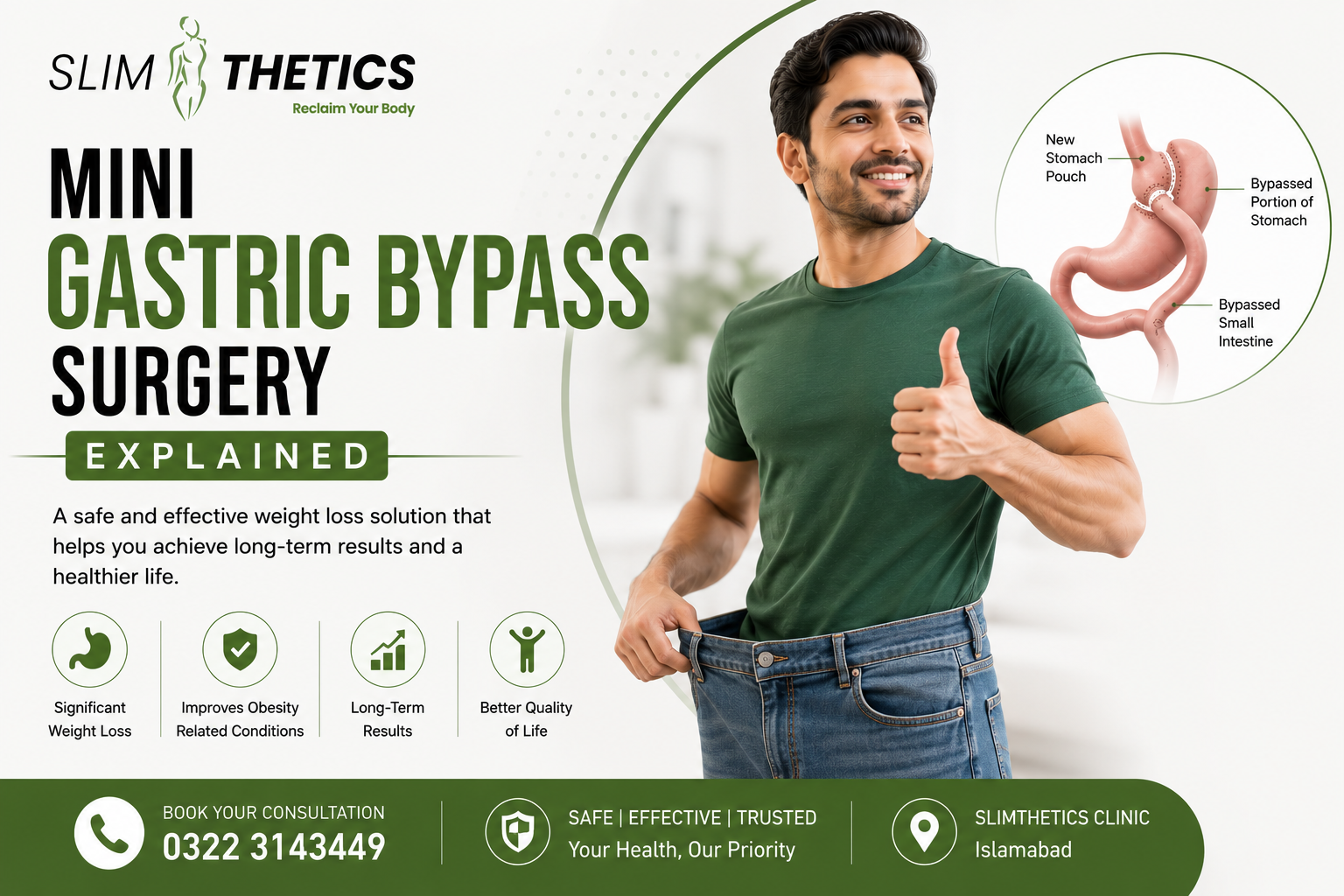
Mini gastric bypass is a type of bariatric surgery designed to help people with obesity achieve significant and sustainable weight loss. It works by creating a smaller stomach pouch and rerouting part of the small intestine, which helps reduce food intake and changes nutrient absorption. However, this procedure is not suitable for everyone, and proper medical evaluation is essential before deciding on surgery.
For people considering Mini Gastric Bypass Surgery in Islamabad, understanding the eligibility criteria is an important first step. A qualified bariatric surgeon evaluates factors such as body mass index, obesity related health conditions, previous weight loss attempts, overall health, eating habits, and readiness to follow long term lifestyle changes.
What Is Mini Gastric Bypass Surgery
Mini gastric bypass in Islamabad, also known as one anastomosis gastric bypass, is a minimally invasive bariatric procedure performed to support substantial weight loss and improve obesity related health conditions.
How the Procedure Works
- The surgeon creates a small stomach pouch to limit the amount of food that can be consumed at one time.
- The smaller stomach is connected to a section of the small intestine.
- This changes the normal path of food through the digestive system.
- The procedure helps control portion sizes while also producing metabolic changes that can support weight loss.
- Surgery is generally performed using laparoscopic techniques, which involve smaller incisions than traditional open surgery.
Why People Consider Mini Gastric Bypass
- It can provide significant weight loss for people with severe obesity.
- It may help improve certain obesity related medical conditions.
- Smaller meal portions can make calorie control easier.
- Metabolic changes following surgery may improve blood sugar regulation.
- It can support long term weight management when combined with healthy lifestyle habits.
Who Is a Good Candidate for Mini Gastric Bypass Surgery
Not every person who wants to lose weight needs bariatric surgery. Mini gastric bypass is generally considered for people who have obesity that has not been adequately managed through lifestyle interventions and who meet appropriate medical criteria.
People With a High BMI
Body mass index is one of the factors doctors consider when determining whether bariatric surgery may be appropriate.
- People with severe obesity may be considered for bariatric surgery.
- A higher BMI can increase the risk of obesity related diseases.
- BMI alone does not determine eligibility.
- A surgeon considers overall health, medical history, and individual circumstances before recommending surgery.
People With Obesity Related Health Conditions
Mini gastric bypass may be particularly beneficial for individuals whose obesity is contributing to other health problems.
These conditions may include:
- Type 2 diabetes
- High blood pressure
- Obstructive sleep apnea
- High cholesterol
- Fatty liver disease
- Joint problems associated with excess weight
- Metabolic syndrome
- Other obesity related complications
Weight loss following surgery may help improve some of these conditions, although individual results vary.
People Who Have Tried Other Weight Loss Methods
Bariatric surgery is usually not considered the first approach to weight management. Many candidates have previously attempted structured diet and exercise programs.
Previous Weight Loss Attempts
A patient may be considered for surgery when:
- Diet and exercise have not produced sufficient or lasting weight loss.
- Weight is repeatedly regained after temporary weight loss.
- Obesity continues to affect daily activities or quality of life.
- A healthcare professional determines that surgical treatment could provide meaningful benefits.
Previous attempts do not mean that a person has failed. Obesity is a complex condition influenced by metabolic, genetic, environmental, behavioral, and lifestyle factors.
People Who Are Ready for Long Term Lifestyle Changes
Mini gastric bypass can assist with weight loss, but surgery itself is not a substitute for healthy habits. The best candidates understand that the procedure is part of a long term weight management plan.
Commitment After Surgery
Patients should be prepared to:
- Follow the recommended postoperative diet.
- Eat smaller portions.
- Prioritize adequate protein and nutrition.
- Take prescribed vitamins and supplements.
- Attend follow up appointments.
- Gradually increase physical activity.
- Follow medical advice regarding medications and health conditions.
- Maintain healthy lifestyle habits over the long term.
This commitment is important because dietary and behavioral habits can influence both weight loss and nutritional health after surgery.
Who May Not Be an Ideal Candidate
Some patients may require additional evaluation or treatment before undergoing mini gastric bypass. Surgery may not be recommended when the potential risks outweigh the expected benefits.
Medical Conditions Requiring Special Assessment
A surgeon may carefully evaluate patients who have:
- Serious uncontrolled medical conditions
- Certain gastrointestinal disorders
- Significant nutritional deficiencies
- Conditions that could increase surgical risk
- Difficulty following essential postoperative instructions
Having a medical condition does not automatically mean that surgery is impossible. It simply means that an individualized assessment is necessary.
Lack of Readiness for Postoperative Care
Patients who are unwilling or unable to follow dietary recommendations and follow up with their healthcare team may not be appropriate candidates until these concerns are addressed.
What Tests Are Done Before Mini Gastric Bypass
Before surgery, the bariatric team typically performs a comprehensive assessment to determine whether the procedure is appropriate and safe.
Medical Evaluation
The evaluation may include:
- Medical and surgical history
- Weight and BMI assessment
- Blood pressure measurement
- Blood tests
- Blood glucose assessment
- Nutritional evaluation
- Review of current medications
- Assessment of obesity related conditions
Additional investigations may be recommended depending on the patient's health history.
Psychological and Lifestyle Assessment
A bariatric team may also assess:
- Eating patterns
- Emotional relationship with food
- Understanding of the procedure
- Expectations regarding weight loss
- Ability to follow postoperative recommendations
- Readiness for long term lifestyle changes
The purpose is not to judge the patient but to identify factors that may affect recovery and long term results.
Mini Gastric Bypass Surgery and Weight Loss Expectations
One of the most common questions from potential patients is how much weight they can lose after mini gastric bypass. There is no single amount that applies to everyone.
Factors That Affect Weight Loss
Weight loss can depend on:
- Starting weight
- BMI before surgery
- Age
- Metabolic health
- Dietary habits
- Physical activity
- Adherence to medical recommendations
- Follow up care
- Individual response to surgery
Patients should focus on sustainable health improvements rather than expecting a specific number on the scale.
Benefits of Mini Gastric Bypass Surgery
When appropriately recommended, mini gastric bypass can provide several potential benefits beyond weight reduction.
Potential Health Improvements
- Significant weight loss
- Better control of blood sugar in some patients
- Improvement in high blood pressure
- Reduced strain on weight bearing joints
- Potential improvement in sleep apnea
- Improved mobility and physical activity
- Better overall metabolic health
- Potential improvement in quality of life
The extent of improvement varies from person to person, and surgery should always be considered as part of a comprehensive obesity treatment plan.
Risks and Considerations of Mini Gastric Bypass
Like all surgical procedures, mini gastric bypass carries potential risks. Understanding these risks is an important part of informed decision making.
Possible Short Term Risks
Potential complications may include:
- Bleeding
- Infection
- Blood clots
- Leakage
- Anesthesia related complications
- Nausea or vomiting
- Abdominal discomfort
The surgical team takes precautions to reduce these risks, but no operation can be considered completely risk free.
Possible Long Term Considerations
Patients may also need monitoring for:
- Nutritional deficiencies
- Vitamin and mineral deficiencies
- Changes in bowel habits
- Acid reflux or other gastrointestinal symptoms
- Weight regain
- Need for ongoing nutritional supplementation
Regular follow up helps identify and manage potential problems early.
Mini Gastric Bypass Diet After Surgery
Nutrition plays an important role in recovery and long term weight management. The diet generally progresses gradually as the stomach and digestive system adapt.
Typical Dietary Progression
Depending on the surgeon's recommendations, patients may progress through:
- Clear liquids
- Full liquids
- Pureed foods
- Soft foods
- Gradual introduction of regular healthy foods
Patients are generally advised to eat slowly, chew thoroughly, stay adequately hydrated, and follow the specific dietary plan provided by their bariatric team.
How to Prepare for Mini Gastric Bypass Surgery
Preparing properly can make the surgical journey more organized and may help patients understand what to expect.
Before Surgery
Patients may be advised to:
- Complete all recommended medical tests.
- Follow a preoperative diet if prescribed.
- Discuss medications with the medical team.
- Stop smoking if advised.
- Arrange transportation and support for the recovery period.
- Understand postoperative dietary requirements.
- Plan follow up appointments.
Good preparation can help patients approach surgery with realistic expectations.
Questions to Ask Your Bariatric Surgeon
Before choosing mini gastric bypass, patients should have an open discussion with their surgeon.
Important Questions
Consider asking:
- Am I medically suitable for mini gastric bypass?
- What weight loss results might be realistic for me?
- What are the potential risks in my particular case?
- How long will recovery take?
- What will my diet look like after surgery?
- Which vitamins and supplements will I need?
- How often will I need follow up appointments?
- What lifestyle changes should I make before surgery?
- What happens if I experience weight regain?
A transparent consultation helps patients make an informed decision.
Why Choosing an Experienced Bariatric Team Matters
The quality of care before, during, and after bariatric surgery can make an important difference to the overall patient experience.
Look for Comprehensive Bariatric Care
When selecting a clinic, consider:
- Experience in bariatric procedures
- Qualified bariatric surgeons
- Appropriate surgical facilities
- Preoperative assessment
- Nutritional guidance
- Postoperative monitoring
- Long term follow up
- Clear communication with patients
Choosing a team that provides care throughout the entire weight loss journey can help patients feel more confident and supported.
Mini Gastric Bypass Surgery in Islamabad
For individuals exploring Mini Gastric Bypass Surgery in Islamabad, the first step should be a professional consultation rather than deciding on surgery based only on BMI or online information. A bariatric specialist can assess your health, weight history, medical conditions, previous weight loss attempts, and lifestyle to determine whether mini gastric bypass is appropriate for you.
The goal of bariatric surgery should not simply be rapid weight loss. A successful treatment plan should focus on improving overall health, supporting sustainable weight management, reducing obesity related health risks, and helping patients develop healthier long term habits.
Final Thoughts
Mini gastric bypass can be an effective treatment option for appropriately selected patients with obesity, particularly when conventional weight management approaches have not provided lasting results. However, being a good candidate depends on much more than wanting to lose weight. Your BMI, medical history, health conditions, nutritional status, previous weight loss efforts, and willingness to follow lifelong lifestyle and follow up recommendations all need to be considered.
If you are considering Mini Gastric Bypass Surgery in Islamabad, Slimthetics Clinic provides a patient focused approach to bariatric care, from initial assessment and surgical planning to nutritional guidance and postoperative follow up. With professional consultation and an individualized treatment plan, the team at Slimthetics Clinic can help eligible patients understand their options and take an informed step toward healthier and more sustainable weight management.

 Arabic
 French
 Spanish
 Portuguese
 Deutsch
 Turkish
 Dutch
Dutch
 Italiano
 Russian
 Romaian
 Portuguese (Brazil)
 Greek
Greek
