


Fish Transport System: Why Is the Way You Move Fish Affecting How Many Survive?
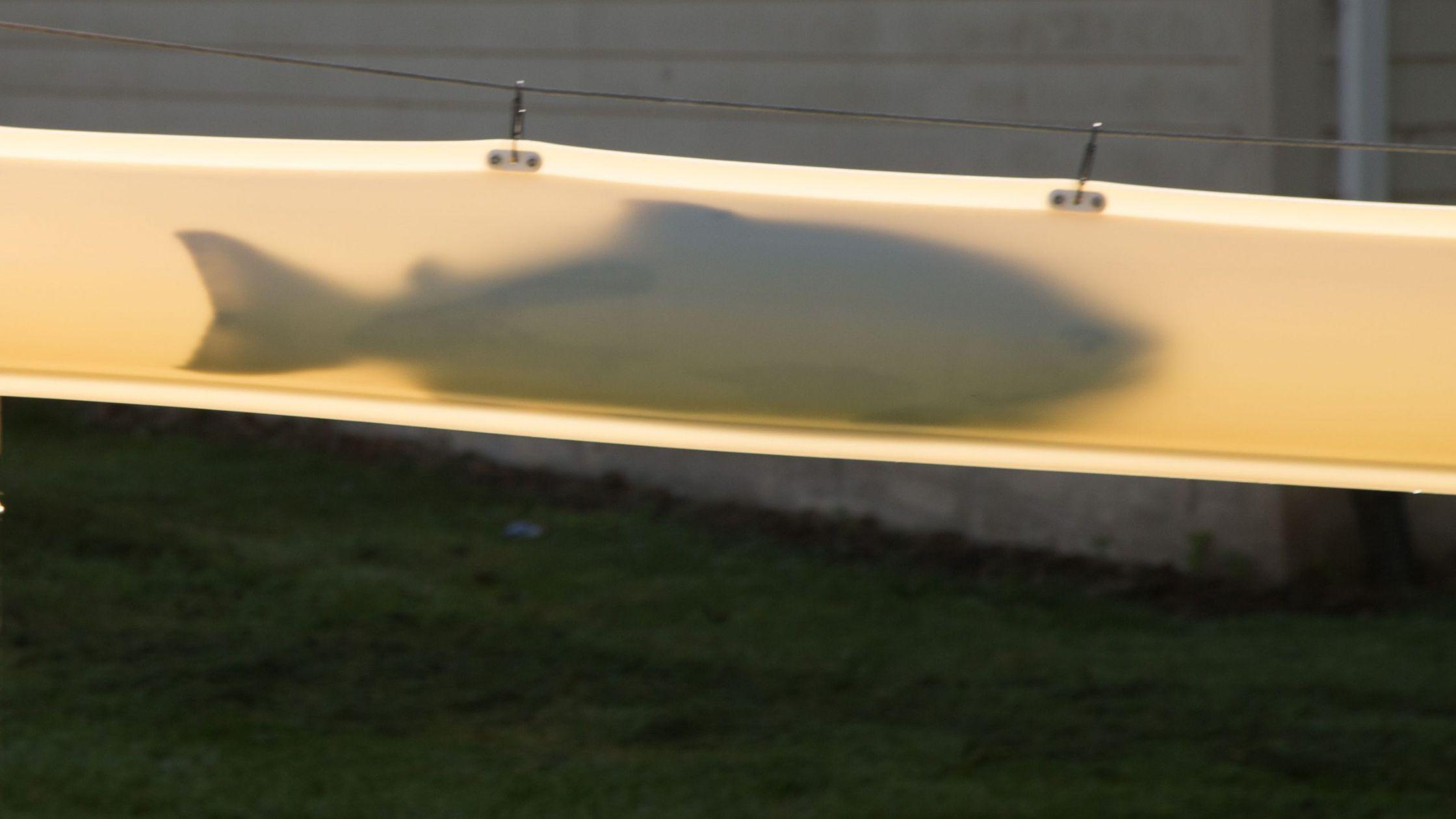
Moving fish from one place to another is something hatchery operators, river managers, and conservation programs do constantly. It's a routine operational task that rarely gets the analytical attention it deserves. And that's exactly the problem. Because the way fish are moved, the method, the duration, the handling involved, is one of the most significant variables affecting survival in the weeks after transfer.
At Whooshh Innovations, we think the fish transport system used in any given operation deserves as much attention as the passage or hatchery infrastructure it connects to. A well-designed facility with a poor transfer method is leaking fish welfare at the connection points.
The conventional toolkit for live fish transport has three main approaches. Aqua pumps move fish hydraulically through large-bore tubes using high water volume. Tank trucks carry fish over road networks in oxygenated tanks. Manual carry, with buckets and dip nets, handles shorter distances at lower volume. Each has its application range. Each also has documented stress costs.
Aqua pumps require significant water movement to keep fish suspended during transit and consistently produce higher cortisol readings in transported fish than the destination handling would suggest. Tank truck operations require road access, fuel, crew, and create handling events at both the loading and unloading end. Manual carry at steep terrain sites is physically demanding for staff and stressful for fish, particularly when distance or height means extended air exposure.
What Does a Pneumatic Fish Transport System Change?
The SalmonCannon and MigratorTube system replaces water-volume transport with air-pressure transport. Fish travel through flexible, misted MigratorTubes at 25 feet per second on a cushion of humidified air. The tube interior stays wetted through embedded misting ports throughout its length. Fish arrive hydrated, cool, and without the scale loss or fin damage that net-and-bucket methods generate.
Here's what the operational profile looks like compared to alternatives:
-
Energy consumption of 11 to 13 kW during operation, significantly lower than aqua pump electrical demand
-
No permanent shoreline footprint, which avoids riparian permitting complications in sensitive zones
-
Tube lengths up to 1,000 feet in standard configuration, with Booster Stations for greater distances
-
Deployable at sites with no road access, where truck transport is not feasible
-
Operable by a small crew without the manual lifting and carrying that boot-and-bucket operations require
-
Fish handled once at entry and not again until they exit at destination, minimizing total contact events
How Does the Welfare Difference Translate Into Program Outcomes?
This is the question that connects fish transfer method to management results. A 2014 U.S. Department of Energy study conducted by Pacific Northwest National Laboratory assessed adult Chinook Salmon transport through the Whooshh system and compared post-transport survival, immune response, and reproductive viability against a conventional trap and haul control group. The outcomes were comparable, meaning the pneumatic system delivered welfare results equivalent to the established industry benchmark without any of the handling that benchmark requires.
For hatchery programs where broodstock viability is the bottom line, matching the welfare outcome of the best conventional method while eliminating the handling is a material improvement. For stock enhancement programs releasing fish into wild systems, lower cortisol at release translates to better short-term survival in the predation-heavy post-release period.
What About Emergency and Remote Site Deployment?
This is where the mobile TUber system demonstrates advantages that conventional alternatives genuinely cannot match. The 2019 Big Bar landslide on the Fraser River in British Columbia created an impassable barrier in terrain with no roads and no grid power. Whooshh deployed a passage system to that site within three months. It operated without road access. It operated without grid power. And it passed thousands of Chinook Salmon past the blockage during the remaining migration window.
No truck transport program could have matched that timeline or operated in those conditions. No conventional ladder could have been permitted, engineered, and constructed in three months. The mobility and infrastructure-independence of the Whooshh transport platform isn't a theoretical advantage. It's been tested against actual emergency conditions and performed.
What Does Summer Mean for Transport Operations?
Summer is the highest-stakes season for fish transport. Water temperatures are elevated. Fish are physiologically taxed from upstream migration. The energy reserves available to buffer the stress of a transport event are lower than they would be in spring. Every stress reduction at the transport step has a larger impact on outcome during summer than it does under more favorable spring conditions.
The misted, cool interior of the MigratorTube maintains a microenvironment that reduces thermal exposure during transit. For summer transport operations at sites where ambient water temperatures are approaching physiological limits for the target species, that temperature buffering is not a minor benefit.
Visit Whooshh Innovations to see the full product range. The fish passage solutions page covers where transport and passage infrastructure connect. For a published perspective on fish monitoring alongside transport, read the blog How Are Modern Fish Monitoring Systems Transforming Fisheries. When you're ready to talk specifics, get in touch with our team.

 English
 Arabic
 French
 Spanish
 Portuguese
 Turkish
 Dutch
Dutch
 Italiano
 Russian
 Romaian
 Portuguese (Brazil)
 Greek
Greek
