


Natural Pregnancy After Failed IVF: Is It Possible and What Should Couples Know?
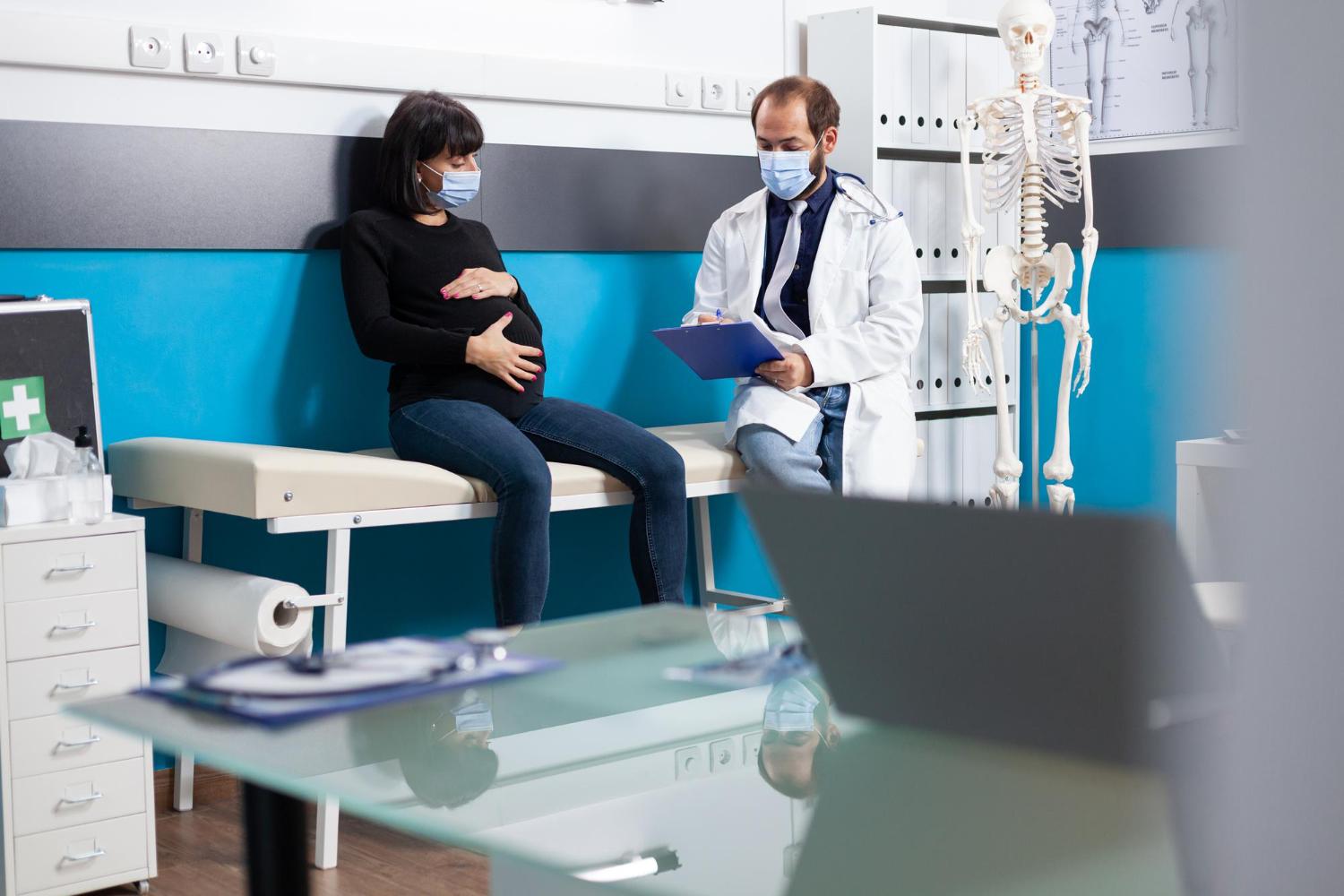
Experiencing an unsuccessful In Vitro Fertilization (IVF) cycle can be emotionally challenging for individuals and couples hoping to conceive. Along with feelings of disappointment, many begin to wonder whether a natural pregnancy is still possible after a failed IVF attempt. The good news is that natural pregnancy after failed IVF can occur in some cases, depending on the underlying cause of infertility and several other factors.
While IVF is one of the most effective fertility treatments available, an unsuccessful cycle does not always mean that natural conception is impossible. Every fertility journey is unique, and understanding the factors that influence conception can help couples make informed decisions about their next steps.
Can Natural Pregnancy Happen After Failed IVF?
One of the most frequently asked questions is whether natural pregnancy after failed IVF is possible. The answer is yes, although it depends on individual circumstances.
IVF is often recommended because natural conception has been difficult or unsuccessful. However, fertility can sometimes change over time, and certain couples may conceive naturally even after one or more failed IVF cycles.
The likelihood depends on several factors, including the reason for infertility, age, reproductive health, sperm quality, ovulation, and overall physical well-being.
Why Might Natural Pregnancy Occur After Failed IVF?
Although IVF treatment was unsuccessful, natural conception may still happen for various reasons.
Temporary Fertility Challenges
Some fertility problems are temporary rather than permanent. Hormonal imbalances, stress, weight fluctuations, or lifestyle factors may improve over time, increasing the possibility of natural conception.
Improved Overall Health
During fertility treatment, many individuals adopt healthier habits such as maintaining a balanced diet, exercising regularly, reducing alcohol consumption, quitting smoking, and managing stress. These lifestyle improvements may positively influence fertility even after IVF.
Better Ovulation
Some women experience more regular ovulation following fertility treatment or hormonal therapy, creating opportunities for natural conception in later months.
Unexplained Infertility
In cases of unexplained infertility, no clear medical cause prevents pregnancy. Couples with unexplained infertility may still achieve natural pregnancy after failed IVF, although predicting when this might happen is difficult.
Factors That Influence Natural Pregnancy After Failed IVF
Several factors determine the chances of conceiving naturally following an unsuccessful IVF cycle.
Female Age
Age remains one of the most important factors affecting fertility. Women under 35 generally have higher natural conception rates compared to women of advanced reproductive age.
Cause of Infertility
The underlying reason for infertility plays a significant role.
Natural pregnancy may be more likely if infertility was caused by:
Mild ovulation disorders
Unexplained infertility
Mild male factor infertility
Temporary hormonal imbalance
It may be less likely in cases involving:
Blocked fallopian tubes
Severe endometriosis
Advanced ovarian insufficiency
Significant male infertility
Egg Quality
Healthy eggs improve the likelihood of successful fertilization and embryo development.
Sperm Quality
Good sperm count, movement, and shape remain essential for natural conception.
General Health
Chronic illnesses, obesity, nutritional deficiencies, and smoking can affect fertility in both partners.
Does a Failed IVF Mean Pregnancy Is Impossible?
Many people assume that an unsuccessful IVF cycle means pregnancy can never happen naturally. However, this is not always true.
IVF success depends on multiple factors, including embryo quality, implantation, uterine health, and laboratory conditions. A failed cycle does not necessarily indicate that natural conception is impossible.
In some cases, IVF failure may result from factors unrelated to the body's ability to achieve pregnancy naturally.
Lifestyle Habits That May Support Fertility
Although no lifestyle change can guarantee pregnancy, maintaining good reproductive health may improve fertility.
Healthy habits include:
Eating a balanced and nutritious diet
Maintaining a healthy body weight
Exercising regularly
Managing stress effectively
Getting adequate sleep
Avoiding smoking
Limiting alcohol consumption
Managing chronic medical conditions
Following medical advice regarding reproductive health
These habits support overall well-being and may contribute to healthier reproductive function.
Emotional Recovery After Failed IVF
The emotional impact of unsuccessful IVF should not be overlooked. Feelings of sadness, frustration, anxiety, and uncertainty are common.
Allowing time for emotional recovery can be beneficial before making future reproductive decisions. Some couples choose to continue trying naturally, while others consider additional fertility treatments after discussing their options with a healthcare provider.
Emotional support from family members, counselors, or support groups may also help individuals cope with the challenges associated with infertility.
Common Myths About Natural Pregnancy After Failed IVF
Several misconceptions continue to surround this topic.
Myth 1: Failed IVF Means Permanent Infertility
An unsuccessful IVF cycle does not automatically mean pregnancy is impossible. Some couples later conceive naturally depending on their individual fertility circumstances.
Myth 2: Natural Pregnancy Never Happens After IVF
Medical literature includes documented cases of spontaneous pregnancies following unsuccessful IVF treatment, particularly among couples with unexplained infertility or mild fertility issues.
Myth 3: IVF Damages Future Fertility
There is no strong evidence that properly conducted IVF treatment permanently reduces a woman's ability to conceive naturally.
Myth 4: One Failed IVF Cycle Predicts Future Failure
Each fertility treatment cycle is unique. A previous unsuccessful cycle does not determine future outcomes, whether through natural conception or assisted reproductive techniques.
When Should Medical Advice Be Sought?
Couples hoping for natural pregnancy after failed IVF should continue regular follow-up with their healthcare provider.
Medical evaluation may be recommended if:
Pregnancy has not occurred after an appropriate period of trying naturally.
Menstrual cycles become irregular.
Symptoms of hormonal imbalance develop.
Recurrent pregnancy loss occurs.
New reproductive health concerns arise.
Healthcare professionals can reassess fertility status and recommend suitable investigations or treatment options based on current reproductive health.
Can Fertility Improve Over Time?
In some individuals, fertility may improve due to changes in health, hormone balance, or lifestyle. Weight management, treatment of underlying medical conditions, correction of nutritional deficiencies, and reduced stress may positively influence reproductive health.
However, fertility naturally declines with age, particularly in women. Therefore, couples considering delaying additional treatment should discuss their individual circumstances with a qualified fertility specialist.
The Importance of Individualized Fertility Assessment
Every fertility journey is different. The possibility of natural pregnancy after failed IVF depends on the unique combination of medical history, reproductive health, age, and the specific cause of infertility.
Because no single factor predicts future pregnancy with certainty, individualized assessment remains essential. Healthcare professionals can evaluate ovarian reserve, ovulation, sperm health, uterine conditions, and other relevant factors before advising on future reproductive options.
Conclusion
Natural pregnancy after failed IVF is possible for some individuals and couples, although the chances depend on the underlying cause of infertility, age, reproductive health, and overall medical circumstances. A failed IVF cycle does not automatically mean that natural conception cannot occur. In many cases, improvements in health, hormonal balance, or fertility conditions may create opportunities for spontaneous pregnancy.
Understanding the factors that influence fertility helps couples approach the future with realistic expectations while making informed healthcare decisions. Whether pregnancy occurs naturally or through further medical treatment, ongoing communication with qualified healthcare professionals remains the best way to receive personalized guidance and appropriate reproductive care.

 English
 Arabic
 French
 Spanish
 Portuguese
 Deutsch
 Turkish
 Dutch
Dutch
 Italiano
 Russian
 Portuguese (Brazil)
 Greek
Greek
