


Botox Dubai: How Does Facial Muscle Strength Influence Treatment Planning?
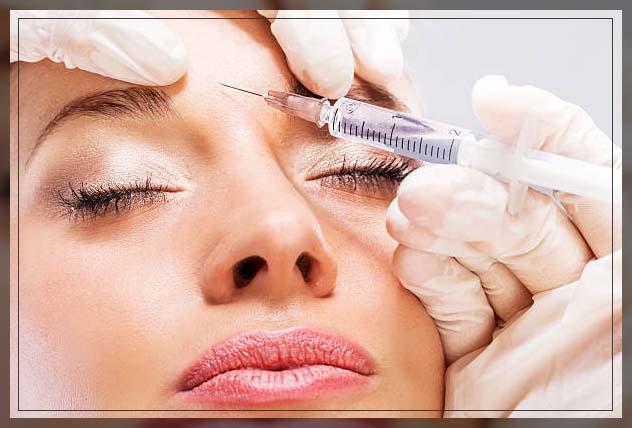
Botox has become a popular non-surgical aesthetic treatment for people who want to soften expression lines while maintaining a natural-looking appearance. However, achieving balanced results involves more than simply identifying wrinkles and deciding where to inject. One important factor that influences treatment planning is facial muscle strength. Every individual has different facial muscle activity, movement patterns, and levels of muscle contraction, which can affect how Botox works and how much treatment may be appropriate.
When considering Botox dubai, understanding the relationship between facial muscle strength and treatment planning helps patients appreciate why personalised assessments are essential. Strong facial muscles may produce more noticeable expression lines, while less active muscles may require a different approach. A qualified practitioner evaluates these differences before recommending an injection pattern, dosage, and treatment areas.
The goal is not to eliminate facial movement completely. Instead, treatment should aim to soften unwanted lines while preserving natural expressions and facial balance. Understanding how muscle strength influences these decisions can help patients develop realistic expectations and make informed choices about their aesthetic treatment.
Understanding Facial Muscle Strength and Its Role in Botox Treatment
Facial muscles are responsible for the movements people make when smiling, frowning, raising their eyebrows, squinting, and expressing emotions. Unlike many muscles in the body, facial muscles are closely connected to the skin. When they contract repeatedly, they create folds and lines that may gradually become visible even when the face is at rest.
Muscle strength refers to how strongly a particular muscle contracts during facial movement. Some individuals naturally have stronger or more active facial muscles, while others have relatively subtle muscle movement. These differences are influenced by genetics, facial anatomy, habitual expressions, and individual muscle characteristics.
Botox works by temporarily reducing communication between selected nerves and muscles. This limits the strength of muscle contractions in the treated areas, allowing expression lines to become softer over time.
For this reason, muscle strength is an important consideration when developing a treatment plan. A practitioner needs to understand how actively each muscle works before determining the appropriate injection locations and dosage.
Why Stronger Facial Muscles May Require Different Treatment Planning
People with stronger facial muscles may notice more prominent expression lines because their muscles contract with greater intensity. Repeated contractions can create deeper dynamic wrinkles, particularly around the forehead, between the eyebrows, and near the outer corners of the eyes.
For example, someone who frequently raises their eyebrows may develop noticeable horizontal forehead lines. Similarly, individuals who strongly contract the muscles between their eyebrows may experience more pronounced frown lines.
In these situations, treatment planning needs to consider the strength and function of the muscles involved. A practitioner may assess how much movement occurs during different expressions and determine how much muscle relaxation is appropriate.
However, stronger muscles do not automatically mean that a higher Botox dosage is always necessary. The correct amount depends on several factors, including muscle anatomy, treatment goals, injection area, and individual response.
The objective is to achieve sufficient relaxation without unnecessarily restricting movement. A carefully planned approach helps maintain a natural appearance while addressing the patient's concerns.
How Facial Muscle Activity Influences Different Treatment Areas
Different facial areas contain muscles with distinct functions. Therefore, muscle strength can influence treatment decisions differently depending on the location.
Forehead Lines
The frontalis muscle is responsible for raising the eyebrows. Individuals with strong frontalis activity may develop noticeable horizontal forehead lines when they lift their eyebrows.
During treatment planning, the practitioner evaluates how actively this muscle contracts and how much eyebrow movement the patient naturally has. The position of the eyebrows and the surrounding muscle activity are also considered.
Treatment should be planned carefully because excessive relaxation of the forehead muscles may affect eyebrow positioning. Maintaining appropriate muscle function is particularly important for patients who rely heavily on their forehead muscles when opening their eyes or expressing themselves.
Frown Lines Between the Eyebrows
The muscles responsible for frowning include the corrugator supercilii and procerus. These muscles pull the eyebrows inward and downward, creating vertical lines between the eyebrows.
People with stronger frown-related muscle activity may develop deeper expression lines in this area. Their treatment plan may require careful assessment of muscle contraction patterns and the relationship between the surrounding muscles.
The aim is to reduce excessive frowning activity while maintaining a balanced eyebrow position and natural facial expression.
Crow's Feet Around the Eyes
The orbicularis oculi muscle surrounds the eyes and helps control eyelid closure and squinting. Repeated contraction can create fine lines around the outer corners of the eyes, commonly known as crow's feet.
Some individuals have stronger muscle activity in this region, particularly when smiling or squinting. A practitioner assesses the pattern of movement and the extent of visible lines before deciding on an appropriate approach.
Because this area contributes to natural smiling expressions, treatment should focus on softening excessive muscle contraction rather than removing all movement.
The Importance of Assessing Natural Facial Expressions
A patient's resting facial appearance does not always reveal the full strength of their facial muscles. Some wrinkles become visible only when a person makes specific expressions.
This is why a proper consultation often involves observing the face during different movements. The practitioner may ask the patient to raise their eyebrows, frown, smile, or gently squint.
These movements help identify which muscles are most active and how different areas work together.
For instance, two patients may have similar forehead lines when their faces are relaxed. However, one person may have significantly stronger forehead contractions when raising their eyebrows. Their treatment plans may therefore differ despite having similar visible wrinkles.
Assessing facial expressions also helps practitioners understand whether certain muscles compensate for the activity of others. This is particularly important when planning treatment around the forehead and eyebrow region.
A personalised assessment provides a more accurate foundation for choosing treatment areas and setting realistic expectations.
How Muscle Strength Influences Botox Dosage
Dosage is one of the most important considerations in Botox treatment planning. It is not determined by age or wrinkle depth alone. Muscle strength, muscle size, treatment location, facial anatomy, and individual aesthetic goals all contribute to the decision.
Patients with stronger muscles may sometimes require a different dosage strategy compared with those who have weaker muscle activity. However, increasing the dosage simply because a muscle appears strong is not always the best approach.
A practitioner considers how much relaxation is required and whether the patient wants subtle softening or a more noticeable reduction in muscle movement.
The injection pattern also matters. Botox is administered at specific points to target the muscles responsible for unwanted expression lines. The number and positioning of injections depend on the treatment area and individual anatomy.
Another important consideration is the patient's previous treatment history. Someone who has received Botox before may have a different response compared with someone experiencing treatment for the first time.
An appropriate dosage should always be based on a clinical assessment rather than a standard formula applied to every patient.
Why Facial Balance Matters When Treating Strong Muscles
Facial muscles do not function independently. They work together to create expressions and maintain the natural position of different facial features.
For example, the forehead muscles help raise the eyebrows, while muscles around the eyes and between the eyebrows contribute to lowering or drawing them inward. Treating one area without considering the surrounding muscles may affect overall facial balance.
This is particularly important when treating patients with strong forehead muscles. If the treatment significantly reduces frontalis activity without considering the surrounding muscle groups, the patient's eyebrow position may be affected.
A balanced treatment plan considers how different muscles interact during facial movement. Rather than focusing only on individual wrinkles, the practitioner evaluates the face as a whole.
This approach is especially valuable for people who want refreshed results without making their expressions appear unnatural or restricted.
How Previous Botox Treatments Affect Future Planning
A patient's treatment history can provide useful information when planning future Botox sessions. Individuals who have received injections previously may have a clearer understanding of how their facial muscles respond.
Some patients notice that certain areas respond more noticeably than others. Others may find that their results gradually change between appointments.
Over time, repeated treatments can influence muscle activity, although the extent of this response varies between individuals. A practitioner should therefore reassess the facial muscles rather than automatically repeating the previous injection pattern.
During follow-up consultations, the practitioner may consider:
- How effectively the previous treatment addressed the patient's concerns.
- Whether natural facial movement was maintained.
- Which areas showed the most noticeable improvement.
- Whether the patient's aesthetic preferences have changed.
- Whether the previous dosage and injection pattern remain appropriate.
This information helps guide future treatment decisions and supports a more individualised approach.
What to Expect During a Botox Consultation in Dubai
A consultation is an important part of the treatment process because it allows the practitioner to understand the patient's facial anatomy, muscle strength, and aesthetic expectations.
The assessment generally begins with a discussion about the areas the patient wants to improve. The practitioner may ask about previous cosmetic treatments, medical history, and the type of results the patient hopes to achieve.
Facial movements are then evaluated to identify active muscles and visible expression lines. The practitioner may also examine eyebrow positioning, skin condition, and the relationship between different facial muscle groups.
Based on these observations, a personalised treatment plan can be developed. This may include recommendations about injection locations, dosage, and the degree of muscle relaxation needed.
Patients should also discuss their expectations and ask questions about the treatment process. Understanding the proposed approach makes it easier to make an informed decision.
Understanding Botox Cost in Dubai and Treatment Planning
The cost of Botox treatment can vary depending on several factors, including the number of areas being treated, the amount of product required, and the practitioner's experience.
Muscle strength may indirectly influence the overall treatment plan because patients with different muscle activity levels may require different injection strategies. However, treatment cost should not be determined by muscle strength alone.
When researching Botox Cost in dubai, patients should consider what is included in the treatment rather than comparing prices without understanding the services provided.
Important factors that may influence the overall cost include the number of treatment areas, the dosage recommended, the type of product used, and the level of professional assessment.
A consultation allows the practitioner to explain the proposed treatment and provide a clearer understanding of the expected cost.
Choosing treatment based on an appropriate clinical assessment is more valuable than selecting an option based solely on the lowest advertised price.
Maintaining Natural-Looking Results Through Personalised Treatment
One of the main goals of modern Botox treatment is to achieve results that complement a person's natural facial features. This requires an understanding of how each individual uses their facial muscles during everyday expressions.
A person with strong forehead activity may want softer horizontal lines while retaining enough movement to raise their eyebrows. Another individual may be more concerned about frown lines or crow's feet.
These different concerns require different treatment strategies.
Personalised planning also means recognising that facial muscle strength can change over time. Ageing, habitual expressions, previous treatments, and individual anatomical differences may influence how muscles behave.
A practitioner should therefore evaluate the face during each consultation rather than relying entirely on an earlier assessment.
For patients considering Botox dubai, this individualised approach helps establish realistic treatment goals and supports results that look balanced and appropriate for their facial structure.
Conclusion
Facial muscle strength plays an important role in determining how Botox treatment should be planned. Stronger muscles may create more noticeable expression lines, while less active muscles may require a different injection strategy. However, muscle strength is only one part of the overall assessment.
Factors such as facial anatomy, expression patterns, eyebrow position, treatment history, and personal aesthetic preferences also influence the recommended approach. A thorough consultation helps practitioners identify the muscles responsible for unwanted lines and determine an appropriate treatment strategy.
Rather than using the same injection pattern for everyone, personalised planning focuses on achieving balanced results while preserving natural facial movement. Patients considering Botox in Dubai should prioritise professional assessment, clear communication, and realistic expectations when exploring their treatment options.
Frequently Asked Questions
1. Does facial muscle strength affect Botox results?
Yes. Facial muscle strength can influence how muscles respond to Botox and how much relaxation may be appropriate. Stronger muscles may produce more noticeable expression lines, requiring an individually planned injection strategy.
2. Do stronger facial muscles always require more Botox?
No. Stronger muscles do not automatically require a higher dosage. The practitioner considers muscle size, activity, facial anatomy, treatment location, and the patient's desired results before recommending an appropriate amount.
3. How does muscle activity influence forehead Botox treatment?
The frontalis muscle controls eyebrow elevation and creates horizontal forehead lines when it contracts. Its strength and activity are assessed to determine an appropriate injection approach while maintaining natural eyebrow movement.
4. Can Botox treat strong frown muscles?
Yes. Botox can temporarily reduce the activity of muscles responsible for frowning, including the corrugator and procerus. Treatment planning depends on the patient's muscle activity, facial structure, and individual concerns.
5. Why does a practitioner ask patients to make facial expressions before Botox?
Observing facial expressions helps identify which muscles are most active. Asking patients to frown, smile, or raise their eyebrows allows the practitioner to assess muscle movement and develop a more personalised treatment plan.
6. Does Botox dosage depend on age?
Age is one consideration, but it does not determine dosage on its own. Muscle strength, facial anatomy, wrinkle patterns, previous treatment history, and aesthetic goals are also important factors.
7. How long does Botox take to show results?
Initial changes may become noticeable within a few days, while the full effect generally develops over approximately 10 to 14 days. Individual responses can vary depending on the treatment area and personal characteristics.
8. Can Botox make facial expressions look unnatural?
The aim of appropriately planned Botox treatment is to soften unwanted muscle activity while maintaining natural expression. Treatment dosage and injection placement are important considerations when achieving balanced results.
9. How often should Botox treatment be repeated?
Botox results commonly last around three to four months, although the duration varies between individuals. The appropriate timing for another session should be determined through a professional assessment of muscle activity and treatment response.
10. How much does Botox cost in Dubai?
The cost depends on the treatment areas, amount of Botox required, product used, and practitioner's expertise. Patients should attend a consultation to receive a personalised treatment recommendation and an accurate cost estimate.
11. Is Botox suitable for people with naturally strong facial muscles?
People with naturally strong facial muscles may be suitable candidates, depending on their individual circumstances and aesthetic goals. A qualified practitioner can assess their muscle activity and determine whether Botox is an appropriate option.
12. Why is personalised Botox treatment important?
Every face has different muscle strengths, movement patterns, and proportions. Personalised treatment planning helps address individual concerns, maintain facial balance, and achieve results that complement natural expressions.

 Arabic
 French
 Spanish
 Portuguese
 Deutsch
 Turkish
 Dutch
 Italiano
 Russian
 Romaian
 Portuguese (Brazil)
 Greek
