


The Importance of DHA-Licensed Nurses in Wound Dressing and Wound Monitoring
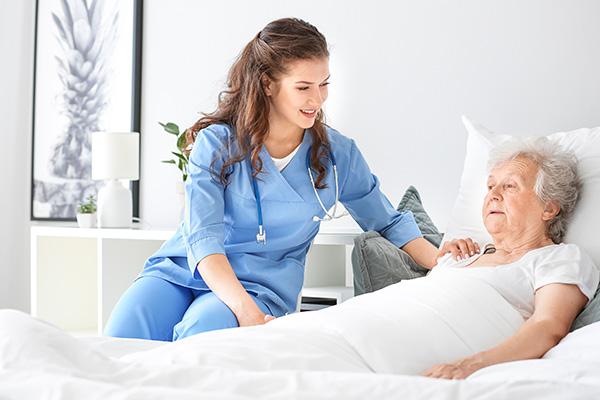
Proper wound care is essential for preventing infections, supporting tissue healing, and avoiding complications during recovery. Patients with surgical wounds, diabetic ulcers, pressure sores, or accidental injuries often require regular dressing changes and professional monitoring to ensure that healing progresses safely. Managing these wounds without appropriate clinical knowledge can increase the risk of infection, delayed recovery, and further tissue damage. Hiring a DHA-licensed Nurse Dubai allows families to access qualified nursing professionals who understand wound management procedures and follow appropriate healthcare standards. With services such as Doctor at Home, patients can receive convenient medical attention while benefiting from professional nursing support in familiar surroundings. DHA-licensed nurses play an important role in assessing wounds, maintaining hygiene, changing dressings, and identifying early signs of complications.
Understanding the Importance of Professional Wound Care:
Wound care involves more than covering an injury with a dressing. It requires regular assessment, appropriate cleaning, infection prevention, and monitoring of the healing process. Different wounds have different treatment requirements depending on their size, depth, location, cause, and the patient's overall health. For example, surgical incisions may require careful observation for infection, while diabetic wounds often need specialized attention because poor circulation and reduced sensation can delay healing. Pressure sores may also require consistent repositioning and pressure management alongside appropriate wound treatment. Professional nurses understand these differences and follow individualized care plans based on medical instructions. Their involvement helps ensure that wounds receive appropriate attention while reducing the likelihood of preventable complications during recovery.
How DHA-Licensed Nurses Assess Wounds Before Dressing:
A proper wound assessment is an important first step before performing any dressing procedure. Professional nurses examine the wound to understand its condition and identify changes that may affect healing. They may assess the wound's size, depth, appearance, surrounding skin, drainage, and signs of inflammation. They also consider patient-specific factors such as diabetes, circulation problems, nutritional status, and existing medical conditions. This information helps determine whether the current dressing approach remains suitable or whether further medical assessment is necessary. Nurses document relevant observations and communicate concerning changes to the treating physician. Regular assessments are particularly important for patients with chronic wounds, surgical incisions, and pressure injuries because these wounds may require ongoing treatment adjustments.
Maintaining Hygiene and Infection Prevention During Wound Dressing:
Maintaining proper hygiene during wound dressing is essential because damaged skin creates an opportunity for microorganisms to enter the body. Professional nurses follow appropriate infection-control practices before, during, and after dressing procedures. They perform hand hygiene, prepare clean treatment areas, use suitable protective equipment, and handle dressing materials according to the required level of aseptic technique. Sterile supplies are used when indicated by the procedure and clinical care plan. Nurses also avoid unnecessary contact with the wound and dispose of contaminated materials appropriately. Important infection-prevention practices include:
-
Washing or sanitizing hands before and after patient contact.
-
Using appropriate gloves and protective equipment.
-
Preparing a clean area for dressing procedures.
-
Using suitable sterile or clean dressing materials as required.
-
Avoiding contamination of wound-care supplies.
-
Disposing of used dressings and medical waste safely.
These precautions help reduce contamination risks and support safer wound management at home.
Choosing the Appropriate Dressing Materials for Different Wounds:
Not every wound requires the same type of dressing. The appropriate material depends on factors such as wound depth, moisture levels, drainage, infection risk, and the condition of surrounding skin. Some wounds may require simple gauze dressings, while others may benefit from foam, hydrocolloid, alginate, or other specialized products when clinically indicated. Professional nurses understand the general purposes of different dressing materials and follow the prescribed wound-care plan when selecting and applying them. They also consider whether a dressing needs to absorb excess fluid, maintain a suitable moisture balance, or protect fragile surrounding skin. Using an unsuitable dressing can contribute to irritation, excessive moisture, or delayed healing. Professional guidance helps ensure that dressing materials are appropriate for the patient's wound condition and treatment requirements.
Monitoring Wounds for Early Signs of Infection:
Regular wound monitoring is necessary because infections can develop during the healing process and may become more serious if not recognized promptly. Professional nurses observe wounds for changes in appearance, drainage, surrounding skin, and patient discomfort. They also consider general symptoms that may indicate an infection affecting the body. Common warning signs include:
-
Increasing redness around the wound.
-
Swelling or unusual warmth.
-
Pus or changes in wound discharge.
-
Increasing pain or tenderness.
-
Unpleasant wound odor.
-
Fever or chills.
-
Delayed healing or unexpected wound deterioration.
When these symptoms occur, nurses communicate their observations to the treating physician and help arrange appropriate medical assessment. Severe symptoms, such as confusion, difficulty breathing, or rapidly worsening illness, require immediate emergency medical attention. Early recognition helps patients receive timely treatment and reduces the risk of further complications.
Supporting Wound Healing in Patients With Diabetes:
Patients with diabetes often face additional challenges during wound recovery because elevated blood glucose levels, circulation problems, and nerve damage can interfere with normal healing. Minor injuries may go unnoticed, particularly when reduced sensation affects the feet. This can allow wounds to worsen before patients recognize that medical attention is needed. DHA-licensed nurses help these individuals by following prescribed wound-care procedures, observing changes in the skin, and monitoring healing progress. They may also check blood glucose levels according to the patient's treatment plan and encourage appropriate foot-care practices. Patients should avoid walking barefoot, inspect their feet regularly, and seek medical attention for new wounds or signs of infection. Consistent nursing supervision and physician-guided diabetes management can support safer wound recovery.
Managing Surgical Wounds During Post-Operative Recovery:
Patients recovering from surgery often require regular wound monitoring to ensure that incisions heal properly. Surgical wounds may be affected by infection, excessive moisture, swelling, or problems with the healing process. Professional nurses assist by inspecting the surgical site, changing dressings according to medical instructions, and monitoring for concerning changes. They also help patients understand how to protect the incision during bathing, movement, and everyday activities. Depending on the procedure, patients may need specific instructions about dressing replacement, activity restrictions, and follow-up appointments. Nurses reinforce these recommendations and communicate unusual findings to the treating surgeon or physician. Their involvement can be particularly valuable for elderly patients and individuals recovering from major operations who may find frequent clinic visits difficult.
Preventing Pressure Sores Through Regular Wound Monitoring:
Pressure sores, also called pressure injuries, develop when prolonged pressure damages the skin and underlying tissues. They commonly affect bedridden patients and individuals who cannot change their positions independently. Areas such as the heels, hips, elbows, and tailbone are particularly vulnerable. Professional nurses monitor these areas regularly and identify early skin changes before they develop into more serious injuries. They also support preventive measures such as appropriate repositioning, pressure-relieving mattresses, skin hygiene, and moisture management. Families may receive guidance about checking vulnerable areas and recognizing early signs of damage. Patients with existing pressure injuries may require specialized wound-care plans and regular medical assessment. Combining appropriate wound dressing with pressure prevention is essential for supporting recovery and reducing the likelihood of further tissue damage.
Educating Families About Wound Care at Home:
Family caregivers play an important role in supporting patients between scheduled nursing visits. However, wound management requires careful attention because incorrect dressing techniques or poor hygiene can increase infection risks. Professional nurses educate families about basic wound protection, hand hygiene, dressing care, and symptoms that require medical attention. They explain why patients should avoid touching wounds unnecessarily and why dressings should not be removed or changed outside the prescribed schedule without appropriate guidance. Caregivers may also learn how to keep treatment supplies organized and maintain a clean environment. This education helps families understand their responsibilities while recognizing when professional nursing assistance or medical assessment is necessary. Better caregiver awareness supports continuity of care and helps patients maintain safer recovery routines.
Maintaining Accurate Wound Care Records and Physician Communication:
Consistent documentation is another important part of professional wound management. Nurses record relevant information about wound appearance, dressing changes, drainage, patient symptoms, and responses to treatment. These records allow healthcare professionals to compare changes over time and understand whether the wound is progressing as expected. If healing slows down or concerning symptoms develop, nurses communicate their findings to the treating physician for further assessment. They also follow updated medical instructions when the wound-care plan changes. Accurate documentation is especially useful for patients with chronic wounds, diabetic ulcers, and post-operative complications that require prolonged monitoring. Effective communication between nurses, physicians, patients, and family members helps maintain continuity and supports informed treatment decisions.
Final Thoughts
Wound dressing and wound monitoring require clinical knowledge, proper hygiene, and consistent attention to the healing process. Professional nurses help patients manage surgical wounds, diabetic ulcers, pressure injuries, and other wounds through appropriate assessment, dressing procedures, infection prevention, and regular monitoring. Hiring a DHA-licensed Nurse Dubai provides families with access to qualified nursing professionals who understand wound-care practices and follow applicable healthcare standards. Their involvement also helps caregivers recognize warning signs and understand the importance of following prescribed treatment instructions. With professional nursing support, physician coordination, and appropriate home hygiene, patients can receive safer wound care while improving their comfort and supporting recovery at home.

 English
 Arabic
 French
 Spanish
 Portuguese
 Deutsch
 Turkish
 Dutch
 Russian
 Romaian
 Portuguese (Brazil)
 Greek
