


Bush Baby Animal: A Guide to This Unique Exotic Primate
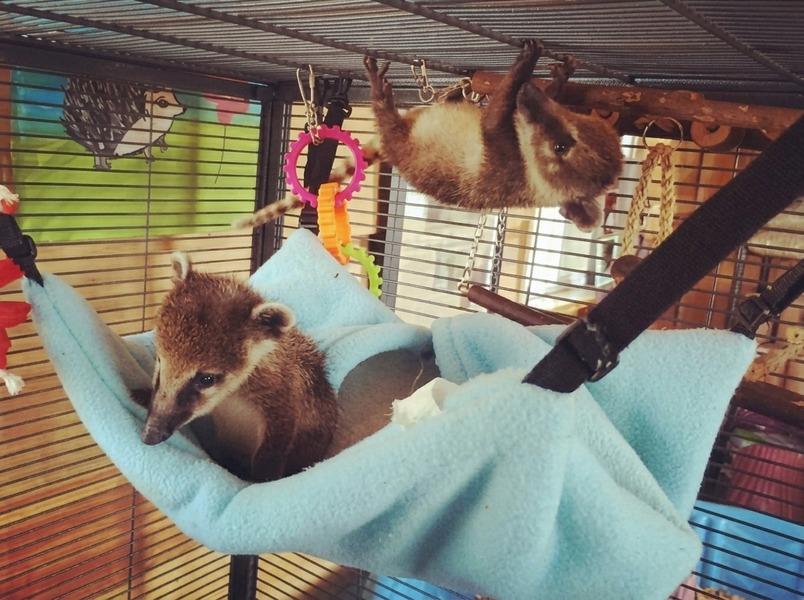
The bush baby is a fascinating small primate known for its large, expressive eyes, soft fur, and remarkable jumping abilities. Native to Africa, these animals have attracted attention from wildlife enthusiasts because of their unusual appearance and active personalities. Also called galagos, bush babies belong to a group of primates adapted to life in trees. Their distinctive appearance and nighttime habits make them different from many familiar animals.
The bush baby animal is a nocturnal primate, which means it is most active after sunset and spends much of the daytime sleeping. Its large eyes help it see in low light, while its sensitive ears allow it to locate insects and other food in the darkness. Bush babies are excellent climbers and jumpers, using their powerful hind legs to move between branches. Their curious behavior and unique appearance make them especially interesting to learn about.
What Is a Bush Baby?
Bush babies belong to the family Galagidae and are among the smaller primates found in Africa. They are sometimes called galagos, and their name comes from the high-pitched calls they make, which can sound similar to a human baby's cry.
These animals have rounded eyes, large ears, soft fur, and long tails that help them balance while climbing. Their fingers and toes are adapted for gripping branches, allowing them to move confidently through trees.
Several species of bush babies exist, and their size, appearance, and habitat can vary. Some are very small, while others have longer limbs and more powerful jumps. Despite these differences, most share the same basic characteristics of nocturnal activity and tree-dwelling behavior.
Natural Habitat and Distribution
Bush babies are native to sub-Saharan Africa, where they live in a variety of wooded environments. Their habitats include tropical forests, woodland areas, savannas with trees, and regions with dense vegetation.
They rely on trees and shrubs for shelter, movement, and protection from predators. During the day, bush babies usually rest in tree hollows, nests, or other sheltered places. At night, they leave their resting areas to search for food.
Different species are adapted to different environments. Some prefer thick forests, while others can survive in drier woodlands. Their ability to climb and jump helps them navigate these environments and find suitable feeding locations.
Diet and Feeding Habits
Bush babies are omnivores, meaning they eat both animal and plant-based foods. Their natural diet includes insects, fruits, tree gums, nectar, and other available food sources.
Insects provide important protein, while fruits and nectar offer additional nutrients and energy. Some species are particularly skilled at locating tree gum and other plant materials.
Their feeding habits are closely connected to their nighttime activity. Bush babies use their excellent hearing and vision to locate prey and move through vegetation. Their small size allows them to explore narrow branches and search for food in places that larger animals cannot easily reach.
Behavior and Personality
Bush babies are intelligent, curious, and highly active animals. They communicate through a variety of sounds, including clicks, barks, and distinctive calls. These vocalizations help them maintain contact with other bush babies and communicate within their territory.
They are also known for their impressive jumping ability. Their strong hind legs allow them to leap between branches, sometimes covering several feet in a single jump. Their long tails help maintain balance during these movements.
Although bush babies may appear gentle and appealing, they are wild primates with specialized needs. Their behavior is shaped by their natural environment, and they may become stressed when kept in unsuitable conditions.
Bush Babies as Pets
Some people are interested in keeping bush babies as exotic pets because of their small size and unusual appearance. However, owning one requires careful preparation, specialized knowledge, and a long-term commitment.
Bush babies are nocturnal, so their natural activity takes place during the evening and night. This can make them difficult to accommodate in a household where people need quiet sleeping hours. They may also vocalize, climb, jump, and explore throughout the night.
A suitable environment must provide plenty of vertical space, climbing structures, secure resting areas, and opportunities for natural behavior. Their diet must also be carefully planned with guidance from a qualified exotic-animal veterinarian.
Before considering ownership, potential keepers should research local wildlife regulations and confirm whether possession is permitted. Some locations prohibit or restrict exotic primates, while others may require permits or special documentation.
Caring for a Bush Baby
Proper care begins with understanding the animal's natural needs. Bush babies require a secure enclosure that allows them to climb, leap, and hide. Their living space should be well ventilated and designed to prevent escapes or injuries.
A balanced diet is essential for maintaining good health. Feeding should be based on species-specific nutritional requirements rather than an ordinary household pet diet. Fresh water should always be available.
Regular veterinary examinations are also important. Not every veterinarian has experience treating small primates, so locating an experienced exotic-animal specialist before acquiring a bush baby is a sensible step.
Owners must also consider the time and financial commitment involved. Specialized housing, appropriate food, veterinary care, and enrichment can require significant ongoing resources.
Discover Bush Babies with Prety Exotic
Prety Exotic provides information about exotic animals for people who want to learn more about unusual species. Its bush baby product page introduces these fascinating primates and offers information for people interested in their availability.
Anyone considering a bush baby should first understand its natural behavior, specialized care requirements, and legal restrictions. Learning about the species before making a decision helps ensure that its needs remain the priority.
A bush baby is more than an unusual-looking animal. It is an intelligent, active primate with a remarkable evolutionary history and a unique place in African ecosystems. Understanding its natural lifestyle is the first step toward appreciating this extraordinary animal and making responsible decisions about its future.

 English
 Arabic
 Spanish
 Portuguese
 Deutsch
 Turkish
 Dutch
 Italiano
 Russian
 Romaian
 Portuguese (Brazil)
 Greek
