


What Should Buyers Ask Before Ordering From bluefirecans?
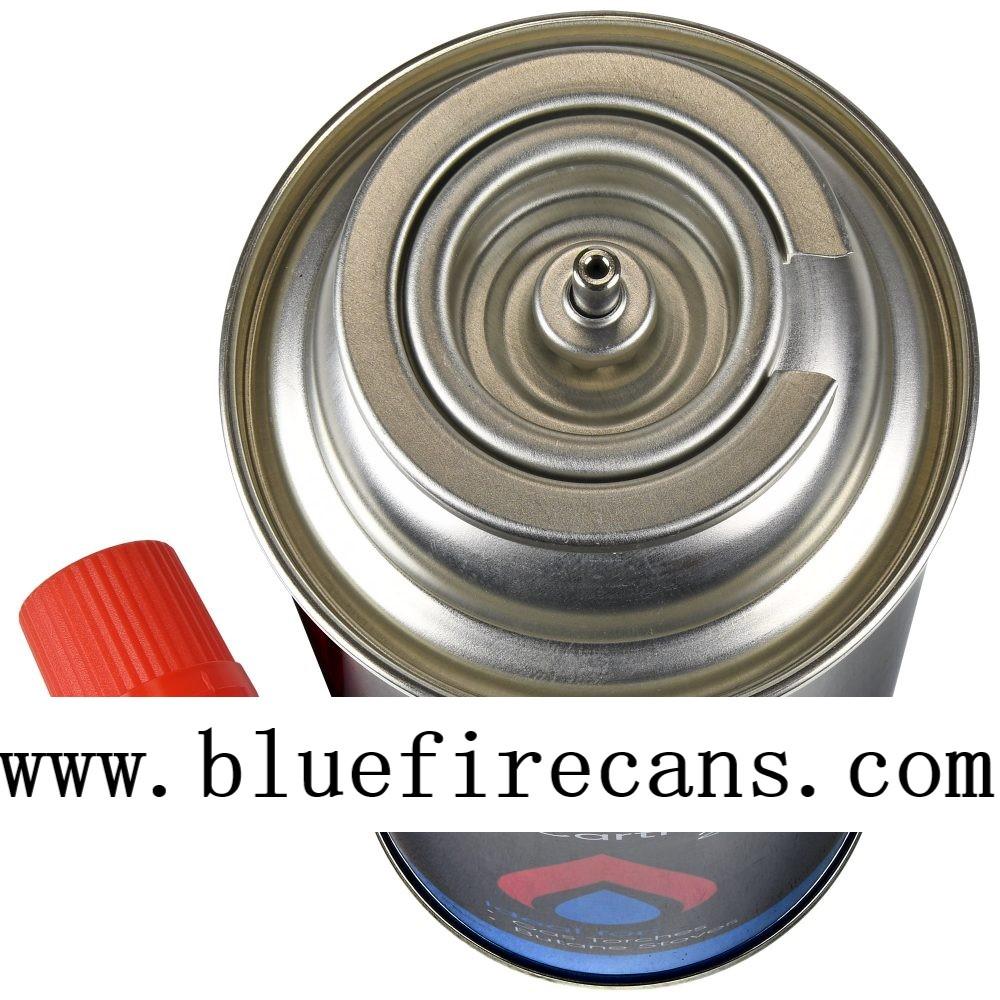
Butane Gas Cartridge selection requires careful consideration from importers, wholesalers, outdoor equipment brands, and portable appliance distributors. Although different products may look similar, their dimensions, fuel capacity, connection structures, and intended applications can vary. Buyers should evaluate these details before requesting quotations or arranging bulk purchases. A clear understanding of the product specification also helps manufacturers prepare suitable production plans and reduces misunderstandings during order communication.
Identify the Intended Application
The first purchasing consideration should be the equipment that will use the fuel container. Portable camping stoves, outdoor cooking equipment, small burners, and other compatible appliances may require different connection arrangements and capacity specifications.
Buyers should identify the intended appliance model and confirm its fuel connection requirements before selecting a product. This step is particularly important for distributors serving several customer groups, as different markets may have different equipment preferences.
The operating environment also deserves attention. Outdoor activities, temporary cooking stations, and commercial applications may involve different storage and handling conditions. Buyers should explain the intended use when communicating with a supplier so that the proposed configuration can be evaluated against the actual application.
Compare Dimensions and Fuel Capacity
Container dimensions influence storage, transportation, and compatibility with connected equipment. Buyers should review diameter, height, overall shape, and net fuel weight rather than comparing products by appearance alone.
Capacity should correspond with the intended usage pattern. Individual outdoor users may have different requirements from commercial buyers supplying rental equipment or retail channels.
For distributors, offering several capacity options can help address different customer preferences. However, each option should be evaluated separately because a change in size may also affect packaging, storage arrangements, and transportation planning.
Before placing an order, request a specification sheet that clearly identifies the dimensions and net contents. Comparing these details with the requirements of the intended appliance can help prevent unsuitable purchases.
Examine Valve Design and Connection Compatibility
The valve is an important part of the product because it controls the connection between the container and the compatible appliance. Buyers should confirm the connection type, thread specifications where applicable, and relevant interface dimensions.
Different appliances may use different connection systems. A product should not be selected simply because its external appearance resembles another model. Buyers need to check the appliance instructions and confirm compatibility with the supplier before purchasing.
It is also useful to discuss valve materials, sealing components, and inspection arrangements. These details help purchasing teams understand how the connection assembly is specified and evaluated during production.
For OEM projects, the intended appliance and connection requirements should be clearly documented. Technical drawings or reference samples can help both parties confirm the requested configuration.
Review Material and Manufacturing Specifications
The metal body needs to be evaluated according to its intended pressure-container application. Buyers can ask about material specifications, forming methods, dimensional tolerances, surface condition, and production controls.
Manufacturing consistency matters when purchasing multiple batches. Differences in dimensions, forming quality, or connection alignment may create difficulties during appliance assembly and distribution.
Buyers should also discuss how the finished containers are inspected. Relevant checks may include visual examination, dimensional measurement, valve installation, and applicable pressure or leak testing under controlled procedures.
Rather than relying on general descriptions, procurement teams should request documentation that corresponds with the actual product model and destination-market requirements.
Ask About Quality Inspection and Product Documents
Quality inspection should be discussed before an order enters production. Buyers can ask which procedures are applied to the container body, valve assembly, and finished product.
Depending on the product specification and applicable requirements, inspection arrangements may include dimensional checks, sealing assessments, pressure-related tests, and appearance reviews.
Documentation is equally important for international purchasing. Buyers should clarify which technical sheets, test records, certificates, and shipping documents can be provided for the selected product.
The destination market should be identified early because regulatory and transportation requirements can differ by country. Importers should verify applicable rules with qualified compliance and logistics professionals before arranging shipment.
Evaluate Packaging and Transportation Arrangements
Packaging affects how products are stored, handled, and prepared for distribution. Buyers should discuss carton dimensions, quantity per carton, protective materials, labeling, and pallet arrangements.
For wholesalers, packaging information helps estimate warehouse space and organize inventory. Retail brands may also require specific printed designs, product identification details, or multilingual information on the packaging.
Because these products contain pressurized flammable fuel, transportation arrangements require particular attention. Buyers should confirm the applicable dangerous-goods classification, approved packaging, carrier acceptance conditions, and shipping documentation with qualified logistics providers. Storage and handling instructions should also be communicated clearly throughout the supply chain.
Discuss OEM Customization and Production Planning
Different brands may have specific requirements for printed designs, product identification, packaging appearance, and available specifications. Buyers should prepare artwork, technical drawings, quantity estimates, and destination-market information before requesting a customized quotation.
At bluefirecans, customers can discuss product configurations, printing arrangements, and OEM requirements with the production team. Providing clear reference materials can help both parties review the requested details and establish an agreed specification before manufacturing begins.Bulk purchasing should also involve discussions about minimum order quantities, sample approval, production schedules, inspection arrangements, and shipment planning. Written confirmation of these details can help purchasing teams coordinate their internal approval process.For importers, distributors, and outdoor equipment brands seeking product options or customized supply arrangements, visit https://www.bluefirecans.com/ to review available products and contact bluefirecans about specifications, OEM requirements, and order planning.

 English
 Arabic
 French
 Spanish
 Portuguese
 Deutsch
 Turkish
 Italiano
 Russian
 Romaian
 Portuguese (Brazil)
 Greek
