


How to Plan a Building Project With a General Contractor Rankin TX
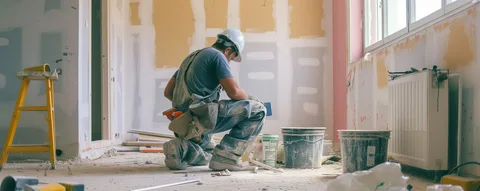
Planning a building project requires more than choosing a design and setting a budget. Property owners must consider project goals, construction costs, materials, permits, schedules, and the professionals needed to complete the work. Whether the project involves building a new home, improving an existing property, or updating a commercial space, careful preparation can help prevent costly mistakes. Working with a general contractor Rankin TX gives property owners a professional point of contact who can help organize construction activities and coordinate different stages of the project.
A well-planned project begins with a clear understanding of what needs to be built and how the finished space should function. Property owners also need to understand which decisions must be made before construction begins and which details can be handled during the building process. From the first discussion to the final inspection, each stage requires attention and proper coordination.
In Rankin, TX, construction planning should reflect the property's condition, project size, site requirements, and intended use. A clear plan helps property owners communicate their expectations, compare proposals, and prepare for unexpected challenges. Understanding how contractors approach planning can make the entire process easier to manage.
1. Define the Purpose and Scope of the Building Project
Before contacting a contractor, property owners should identify the main purpose of their construction project. A clear project scope gives everyone a shared understanding of the expected results.
Identify the Main Construction Goals
The first step is deciding what the project needs to accomplish. Some property owners may want additional living space, while others may need to improve an outdated building or create a more functional commercial environment.
Common construction goals include:
-
Building a new residential property.
-
Expanding an existing home with an additional room.
-
Updating kitchens, bathrooms, or closets.
-
Improving interior layouts and finishes.
-
Repairing or upgrading exterior structures.
-
Developing a commercial property for a specific business use.
Each goal requires a different planning approach. For example, a homeowner planning a room addition must consider how the new space will connect to the existing structure. A property owner preparing for a complete renovation may need to evaluate plumbing, electrical systems, flooring, and wall conditions before selecting materials.
Defining these goals early helps the contractor understand the project's priorities and recommend suitable next steps.
Create a Detailed Project Scope
A project scope explains what work is included and what is outside the construction plan. It should describe the expected improvements, materials, important design details, and general project requirements.
For example, a kitchen renovation scope might include cabinet replacement, countertop installation, flooring improvements, lighting updates, and plumbing adjustments. If the homeowner also wants to change the kitchen layout, that requirement should be discussed before the proposal is prepared.
A detailed scope reduces misunderstandings because both parties can review the same expectations. It also provides a foundation for estimating costs and preparing a realistic construction schedule.
Separate Essential Work From Optional Improvements
Not every improvement needs to happen at the same time. Property owners should identify which parts of the project are necessary and which can be completed later.
Structural repairs, safety improvements, and essential building systems usually deserve priority. Decorative upgrades and optional features can be considered after the main requirements are addressed.
This approach helps keep the project focused and makes budget decisions easier.
2. Establish a Realistic Construction Budget
Budget planning is one of the most important parts of preparing a building project. Without a clear financial plan, property owners may struggle to manage material selections, labor costs, and unexpected expenses.
Understand the Different Project Costs
Construction expenses involve more than the visible materials used in a building. A complete budget should consider several cost categories, including:
-
Labor and subcontractor services.
-
Building materials and supplies.
-
Site preparation and excavation.
-
Structural work and foundation requirements.
-
Plumbing and electrical installations.
-
Interior and exterior finishes.
-
Permit and inspection expenses, where applicable.
-
Equipment, delivery, and waste removal.
The exact costs depend on the property's condition, project complexity, material choices, and local requirements.
For instance, a property that needs extensive foundation work may require a different financial plan from one that only needs interior improvements. Similarly, changing the location of plumbing fixtures can increase the work involved in a bathroom renovation.
A general contractor Rankin TX can help property owners understand the major cost categories when reviewing the proposed scope.
Set Aside Money for Unexpected Conditions
Existing buildings can contain problems that are difficult to identify before construction begins. Hidden water damage, outdated wiring, damaged framing, and plumbing concerns may become visible only after certain areas are opened.
Therefore, a project budget should include a contingency allowance for unforeseen work.
The amount depends on the property's age, condition, and construction scope. Older buildings or projects involving major renovations may require more flexibility than straightforward improvements.
A contingency fund does not mean the project will necessarily experience problems. Instead, it gives property owners room to respond if additional work becomes necessary.
Compare Proposals Carefully
When reviewing contractor proposals, property owners should look beyond the total price. A lower estimate may not include the same materials, labor, preparation, or project requirements as another proposal.
A useful comparison should examine:
-
Included construction activities.
-
Material specifications and quality.
-
Labor responsibilities.
-
Estimated project duration.
-
Payment arrangements.
-
Exclusions and additional costs.
-
Procedures for handling changes.
A detailed proposal makes it easier to understand what the contractor is offering. It also helps property owners make decisions based on value rather than price alone.
3. Choose the Right General Contractor for the Project
Selecting a contractor is an important decision because the professional will help coordinate many parts of the construction process. The right choice should reflect the project's size, technical requirements, and communication needs.
Review Relevant Construction Experience
Different building projects require different skills. A contractor involved in residential construction may handle new homes, additions, and property improvements, while commercial projects may require experience with business facilities, larger spaces, and specialized building requirements.
Property owners should ask about experience with projects similar to their own.
For example, someone planning a home addition should ask how the contractor approaches structural connections, existing utility systems, and construction scheduling. A commercial property owner may need to understand how the contractor manages subcontractors and coordinates work around business operations.
Relevant experience helps property owners evaluate whether a contractor understands the type of work involved.
Verify Qualifications and References
Before entering an agreement, property owners should review the contractor's business information and ask for relevant references.
Depending on the project and applicable Texas or local requirements, they may also need to verify:
-
Applicable licenses and registrations.
-
Insurance coverage.
-
Required permits and inspections.
-
Subcontractor arrangements.
-
Previous project experience.
-
References from past clients.
These checks help establish whether the contractor is prepared to handle the project's responsibilities.
Property owners should also review written agreements carefully. Important details should include the project scope, payment schedule, responsibilities, estimated timeline, and procedures for approving changes.
Evaluate Communication and Organization
Good communication is essential throughout construction. Property owners need to know who will answer questions, provide updates, and explain unexpected changes.
A reliable contractor should be willing to discuss project details in clear language. They should also explain how decisions will be documented and how concerns will be addressed.
For property owners comparing a general contractor Rankin TX, communication should be considered alongside price, experience, and project planning.
4. Prepare the Property and Review Site Requirements
A building project cannot move forward successfully without understanding the conditions of the construction site. Even a well-designed plan may require adjustments if the property has physical limitations.
Evaluate the Existing Property
The contractor should review the property to understand its current condition and identify potential construction concerns.
Depending on the project, this assessment may include:
-
Foundation and structural conditions.
-
Existing walls and roof systems.
-
Electrical and plumbing infrastructure.
-
Drainage and grading.
-
Access for workers and equipment.
-
Existing landscaping and exterior features.
-
Available space for material storage.
For a renovation, this review helps identify which existing elements can remain and which may need repair or replacement.
For new construction, site evaluation helps determine whether grading, clearing, drainage improvements, or additional preparation may be required.
Consider Access and Property Conditions
Construction activities require sufficient space for workers, equipment, material deliveries, and waste removal.
A narrow entrance, limited parking, nearby structures, or uneven ground can affect how work is organized. These conditions should be considered before scheduling major construction activities.
Property owners should also discuss how construction will affect neighboring properties and whether temporary access arrangements are needed.
Review Permits and Building Requirements
Construction permits and inspections depend on the type of project and the requirements of the relevant authorities.
Some improvements may require permits because they involve structural changes, electrical systems, plumbing, or other regulated work. Other projects may have different requirements.
The contractor and property owner should identify the approvals needed before construction starts. They should also clarify who will prepare documents, submit applications, and coordinate required inspections.
Addressing these requirements early helps reduce avoidable delays and supports compliance with applicable building standards.
5. Develop a Practical Design and Construction Plan
Once the project scope, budget, and site conditions are understood, the next step is developing a practical construction plan. This stage connects the property owner's ideas with the technical requirements of the building.
Balance Design With Everyday Function
A successful building project should look appropriate while also supporting daily activities.
For residential properties, design decisions may involve room layouts, storage, lighting, flooring, and traffic flow. Commercial properties may require attention to workspace arrangements, customer access, equipment placement, and operational needs.
For example, a homeowner planning a kitchen improvement should consider how people move between the cooking, cleaning, and storage areas. Adding attractive cabinets may improve the appearance, but their placement should also make the kitchen easier to use.
Similarly, a bathroom renovation should consider ventilation, plumbing access, fixture placement, and available space.
Select Materials Based on Performance
Material selection affects appearance, maintenance, durability, and overall project cost.
Property owners should discuss material options with the contractor before making final decisions. Important considerations include:
-
Expected use of the space.
-
Resistance to moisture and everyday wear.
-
Cleaning and maintenance needs.
-
Compatibility with existing structures.
-
Installation requirements.
-
Availability and delivery schedules.
For example, flooring materials should match the room's purpose and expected traffic. Bathroom surfaces need to handle moisture, while living areas may require a different combination of appearance and durability.
Choosing materials early also helps the contractor prepare more accurate estimates and coordinate deliveries.
Coordinate Interior and Exterior Construction
Interior and exterior improvements often affect one another. A new window may require exterior adjustments and interior finishing. A room addition may involve foundation work, framing, roofing, insulation, electrical installation, and interior surfaces.
This is why both sides of the project should be considered during the planning stage.
Property owners exploring interior construction Midland TX may need to coordinate walls, ceilings, flooring, millwork, and building systems. Those considering exterior construction Midland TX may need to plan structural improvements, exterior finishes, roofing, drainage, or other outdoor work.
Although these keywords relate to services in Midland, the same planning principles can help property owners understand the decisions involved in construction projects in Rankin.
6. Create a Construction Schedule and Coordinate the Work
A realistic construction schedule helps everyone understand the order of activities and the expected progress of the project. It also allows property owners to prepare for temporary disruptions.
Break the Project Into Clear Phases
Most building projects involve several connected stages. The exact sequence depends on the construction scope, but a general plan may include:
-
Initial planning and property assessment.
-
Design development and material selection.
-
Permit applications and approvals.
-
Site preparation and demolition, if needed.
-
Foundation and structural construction.
-
Mechanical, electrical, and plumbing work.
-
Insulation, drywall, and interior finishes.
-
Exterior finishing and final improvements.
-
Inspections, corrections, and project completion.
Breaking the work into phases helps identify which activities must happen first.
For example, flooring installation generally takes place after the relevant structural, plumbing, electrical, and wall work has been completed. Installing finished flooring too early could expose it to damage from later construction activities.
Coordinate Subcontractors and Material Deliveries
Larger construction projects may involve several specialized trades. These professionals must complete their work in the correct order.
A general contractor helps coordinate subcontractors, communicate scheduling needs, and manage the movement of materials to the site.
For example, an electrical contractor may need to complete rough-in work before insulation and drywall installation. If these activities are not coordinated, the project may experience unnecessary delays or additional labor.
Material deliveries also need attention. Delayed cabinets, windows, doors, or other essential products can affect later construction stages.
Ordering important materials at the appropriate time helps keep the schedule organized.
Prepare for Schedule Changes
Construction schedules are plans, not guarantees. Weather conditions, material availability, inspection requirements, and unexpected property issues can affect completion dates.
Property owners should ask how schedule changes will be communicated and what steps will be taken to address delays.
Regular progress updates help everyone understand the current status of the project. They also provide an opportunity to resolve questions before they affect later work.
7. Monitor Construction Progress and Review Final Work
Planning does not end when construction begins. Property owners should remain involved throughout the process to confirm that the work follows the approved scope and agreed expectations.
Schedule Regular Progress Reviews
Progress reviews allow property owners and contractors to discuss completed work, upcoming activities, and any issues requiring attention.
These discussions may cover:
-
Work completed during the current phase.
-
Activities planned for the next phase.
-
Material delivery updates.
-
Budget changes.
-
Inspection results.
-
Questions about design details.
-
Potential schedule adjustments.
Written progress updates can also help maintain a record of important decisions.
If a property owner requests a change, the contractor should explain how it may affect the cost, schedule, and original scope before the additional work proceeds.
Review Changes Through Written Documentation
Construction projects sometimes require changes after work begins. A property owner may decide to add storage, select a different finish, or adjust a room layout.
However, even small changes can affect labor, material requirements, and scheduling.
A written change order should describe the requested modification, its cost, and any effect on the completion timeline. Both parties should review and approve the change before the additional work starts.
This process helps prevent disagreements about what was originally included in the agreement.
Complete a Final Walkthrough
Before considering the project complete, the property owner and contractor should review the finished work together.
The walkthrough should examine whether the completed construction matches the agreed scope and whether any visible issues need attention.
Depending on the project, the review may include:
-
Doors and windows.
-
Flooring and wall finishes.
-
Cabinets and countertops.
-
Plumbing fixtures.
-
Electrical outlets and lighting.
-
Exterior finishes.
-
Drainage and site cleanup.
-
Required inspection documentation.
Any unfinished items or corrections should be recorded in writing with an agreed plan for completion.
Property owners should also request relevant warranties, product information, maintenance instructions, and final project documents where applicable.
A careful final review provides a clear understanding of the completed work and any remaining responsibilities.
Frequently Asked Questions
1. Why Should Property Owners Hire a General Contractor Rankin TX?
A general contractor helps organize construction activities, coordinate subcontractors, manage project schedules, and communicate with property owners. This central coordination can make complex building projects easier to manage.
2. What Should Be Included in a Building Project Plan?
A building project plan should include the project scope, estimated budget, material selections, site requirements, permit considerations, construction schedule, and contractor responsibilities. It should also explain how changes and unexpected expenses will be handled.
3. How Early Should a Property Owner Contact a General Contractor?
Property owners should contact a contractor during the early planning stage, before making major financial or construction decisions. Early discussions can help identify site concerns, understand project requirements, and develop a realistic estimate and schedule.
4. Can a General Contractor Help With Both Residential and Commercial Construction?
A general contractor may handle residential and commercial projects, depending on their experience and services. Property owners should confirm that the contractor has relevant experience with the specific building type, project size, and construction requirements.
Conclusion
Planning a building project requires clear goals, realistic budgeting, proper site preparation, and organized construction management. From defining the project scope to reviewing the finished work, every stage contributes to a smoother construction experience. Property owners who understand these steps can make better decisions, communicate their expectations, and prepare for challenges before they become larger problems.
Choosing the right general contractor Rankin TX is an important part of this process. A qualified professional can help coordinate construction activities, explain project requirements, and keep the work aligned with the agreed plan.
For property owners considering residential improvements, new construction, or interior and exterior upgrades, J. Prieto Construction offers a starting point for exploring construction planning and building services. Contact the company to discuss project goals, review construction needs, and determine the next steps toward a well-organized building project.

 English
 Arabic
 French
 Portuguese
 Deutsch
 Turkish
 Dutch
 Italiano
 Russian
 Romaian
 Portuguese (Brazil)
 Greek
