


Limitations with the Best fat transfer Surgeons in dubai
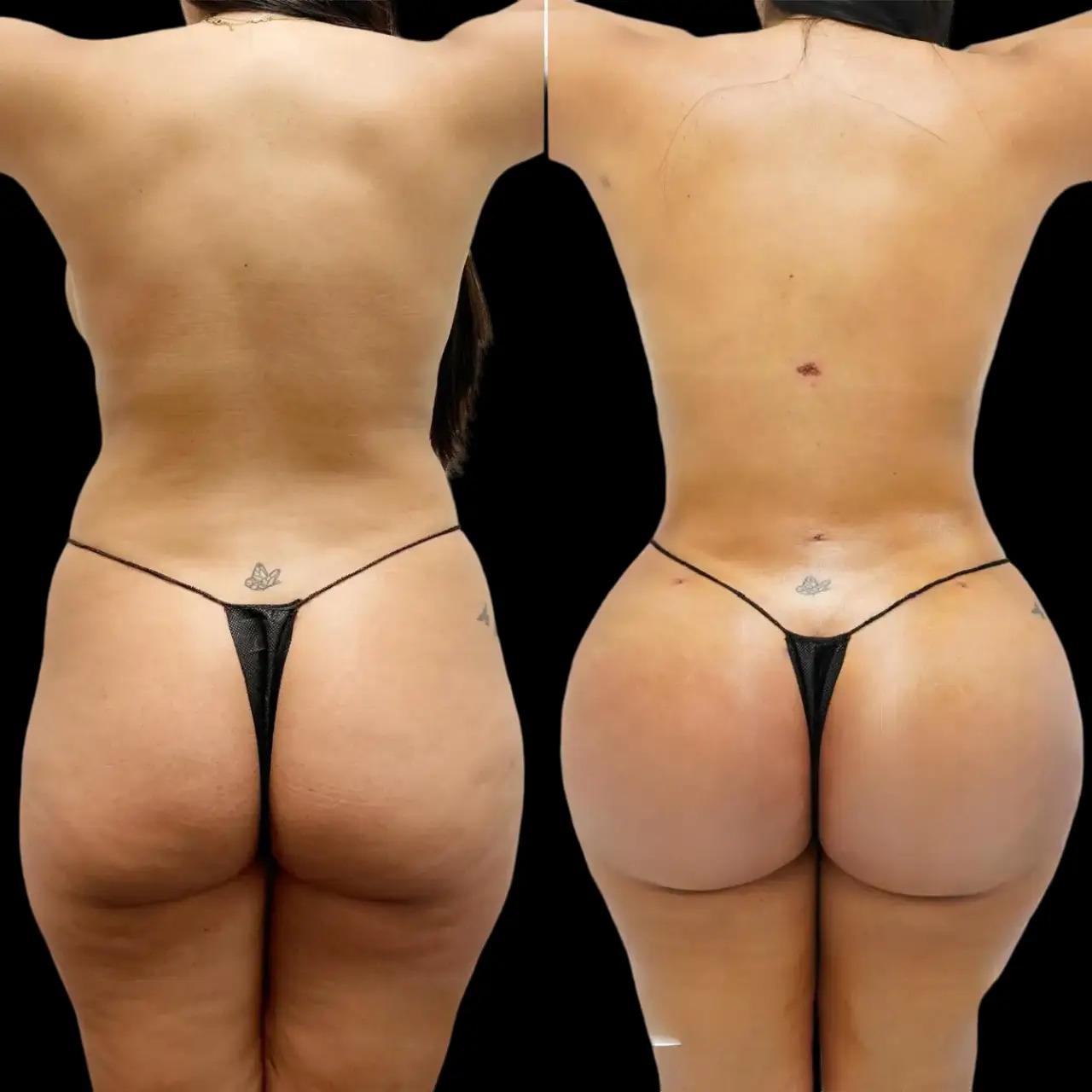
Understanding Fat Transfer Surgery in Dubai and Its Common Limitations
Fat transfer Surgery in dubai involves collecting fat from a donor area, processing it, and transferring it to another part of the body. Common treatment areas include the face, cheeks, under-eye region, and selected body areas.
Although the procedure can improve volume and contours, it cannot guarantee a particular result.
Some common limitations include:
-
Not all transferred fat survives permanently.
-
Results may vary depending on individual healing.
-
Some patients may need additional treatment.
-
Available donor fat can limit the amount transferred.
-
Final results take time to develop.
-
Certain medical conditions may affect suitability.
Patients should understand that fat transfer is not a way to completely change their appearance. Its purpose is generally to improve selected areas while maintaining natural proportions.
Why the Best Fat Transfer Surgeons in Dubai Explain Realistic Expectations
Having realistic expectations is essential before undergoing any cosmetic procedure. Patients sometimes expect immediate, permanent, and perfectly symmetrical results. However, fat transfer does not always produce these outcomes.
The Best fat transfer surgeons in dubai understand that each person's anatomy, skin quality, available fat, and healing ability are different.
Several factors can influence the final appearance:
Individual Anatomy: Natural facial and body structures affect how transferred fat fits into the treatment area.
Fat Survival: Some transferred fat may be absorbed naturally by the body.
Healing Process: Swelling and bruising can temporarily change the appearance after treatment.
Lifestyle Habits: Smoking, poor nutrition, and unhealthy habits may affect normal healing.
Treatment Area: Different body areas may have different fat retention and recovery patterns.
Patients should discuss these factors before treatment to understand what results are reasonably possible.
How Fat Grafting Works and Why Results May Vary
fat grafting is another name for fat transfer. It involves using the patient's own fat to improve volume in selected areas.
The procedure generally includes three stages:
-
Fat Collection: Fat is removed from a suitable donor area, such as the abdomen, thighs, or flanks.
-
Fat Processing: The collected material is processed to prepare suitable fat cells for transfer.
-
Fat Placement: The prepared fat is carefully introduced into the selected treatment area.
One important limitation is that transferred fat needs to establish a blood supply to survive in its new location. Some fat cells may not survive and can be absorbed by the body.
This means the initial appearance may be fuller than the final result. Patients should allow enough time for swelling to settle before evaluating the outcome.
Understanding Under Eye Fat Transfer Limitations and Possible Results
under eye fat transfer is a cosmetic procedure that aims to improve hollow areas beneath the eyes. It may help people experiencing volume loss due to aging, genetics, or changes in facial fat distribution.
However, this treatment also has limitations.
Some important considerations include:
-
It may not remove dark circles caused by pigmentation.
-
It cannot completely correct every type of under-eye puffiness.
-
Swelling may take time to settle.
-
Fat retention can vary between individuals.
-
Unevenness or small irregularities may occur.
-
It may not be suitable for every under-eye condition.
The skin beneath the eyes is delicate, so treatment requires careful medical assessment and appropriate technique.
Patients should understand that under-eye fat transfer focuses mainly on volume restoration. It does not address every concern related to the appearance of the eyes.
Why Fat Transfer in Dubai May Not Produce Identical Results for Everyone
fat transfer in dubai is considered by people interested in facial rejuvenation and body contour enhancement. However, results are not identical because every patient has different physical characteristics.
For example, two people receiving treatment in the same area may experience different levels of fat retention.
Some reasons for these differences include:
Age: Natural aging can influence skin elasticity and facial or body volume.
Available Donor Fat: Patients with limited available fat may have fewer treatment options.
Blood Supply: The transferred fat needs sufficient blood supply to survive.
Skin Condition: Skin quality can influence the overall appearance of the treated area.
Lifestyle: Smoking and certain unhealthy habits may negatively affect healing.
A personalized assessment helps determine whether fat transfer is appropriate and what limitations a patient should expect.
Important Factors the Best Fat Transfer Surgeon in Dubai Considers Before Treatment
Choosing a qualified specialist is an important part of treatment planning. A proper assessment helps identify possible limitations and determine whether the procedure is suitable.
The Best fat transfer surgeon in Dubai should consider several factors before recommending treatment.
These include:
-
General health and medical history.
-
Available donor fat.
-
Skin condition and elasticity.
-
Treatment area and desired improvement.
-
Previous cosmetic procedures.
-
Possible risks and complications.
-
Patient expectations.
A responsible medical professional should explain when fat transfer may not provide the desired improvement. Patients should also be informed about alternative options when appropriate.
How the Best Doctors in Dubai Explain Fat Transfer Risks and Limitations
The Best Doctors in dubai should provide clear information about the possible risks associated with cosmetic procedures.
Although fat transfer uses the patient's own fat, it is still a medical procedure and is not completely risk-free.
Possible complications include:
-
Swelling and bruising.
-
Infection.
-
Bleeding.
-
Fat absorption.
-
Uneven contours.
-
Fat necrosis.
-
Small lumps or irregularities.
-
Changes in skin sensation.
-
Complications related to fat placement.
Rare but serious complications can also occur, particularly when fat is accidentally introduced into blood vessels. The risks depend on the treatment area and technique.
Patients should discuss these concerns during consultation and understand the warning signs that require medical attention.
Understanding Fat Transfer Surgery Cost in Dubai and Treatment Limitations
The Fat transfer Surgery cost in dubai depends on several factors, including the treatment area, procedure complexity, amount of fat required, and individual medical needs.
Patients should remember that the lowest treatment price does not necessarily represent the most suitable option.
The total cost may depend on:
-
Consultation and medical assessment.
-
Size of the treatment area.
-
Fat collection requirements.
-
Fat processing techniques.
-
Procedure complexity.
-
Anesthesia and facility expenses.
-
Follow-up appointments.
Patients should also ask whether additional procedures might be needed if some transferred fat is absorbed.
Understanding the complete financial commitment before treatment can help avoid unexpected expenses.
Factors That Influence Fat Transfer Cost and Final Results
The fat transfer cost is different for every patient because treatment requirements are not always the same.
For example, transferring fat to the cheeks may involve different planning compared with transferring fat to larger body areas.
Several factors influence both the treatment plan and its cost.
Treatment Area: Different areas require different amounts of fat and placement techniques.
Amount of Fat: The required volume can affect procedure complexity.
Medical Requirements: Individual health and anatomy may influence the recommended approach.
Procedure Complexity: Some treatments require additional planning and care.
Follow-Up Care: Monitoring the healing process is an important part of treatment.
Patients should understand that paying more does not guarantee a particular cosmetic result. Proper medical planning and realistic expectations are more important.
What Patients Should Know About Fat Transfer Cost in Dubai Before Treatment
The fat transfer cost in dubai should be discussed clearly before making a final decision.
Patients should ask for a complete breakdown of the treatment expenses instead of focusing only on the advertised starting price.
Important questions include:
-
What services are included in the quoted price?
-
Are consultation fees separate?
-
Are anesthesia and facility charges included?
-
Are follow-up appointments included?
-
What additional expenses may arise?
-
What happens if further treatment is recommended?
Patients should also understand that fat transfer results cannot be guaranteed. Financial planning should consider the possibility of additional treatment if the desired volume is not achieved.
Comparing Fat Transfer Prices Without Ignoring Medical Safety
Comparing fat transfer prices is a common part of cosmetic treatment research. However, patients should avoid making decisions based entirely on discounts or promotional offers.
A complete treatment comparison should include medical qualifications, facility standards, procedure details, and aftercare arrangements.
Before choosing a treatment, consider:
-
The qualifications of the professional performing it.
-
Experience with the specific procedure.
-
Medical assessment and planning.
-
Safety standards of the facility.
-
Clear information about possible complications.
-
Availability of follow-up care.
A safe and appropriate treatment plan should always be more important than finding the lowest possible price.
Dr. Perfect Celebrity and Perfect Doctors Clinic: Understanding Cosmetic Treatment Research
While researching cosmetic procedures, patients may encounter terms such as Dr. perfect celebrity and Perfect Doctors Clinic.
Regardless of the names appearing in online searches, patients should focus on independently verifying medical information, professional qualifications, and treatment standards.
It is important not to rely only on promotional photographs, advertisements, or online popularity when making cosmetic decisions.
Patients should carefully review the medical information provided and ask questions about the procedure, its limitations, and possible risks.
Recovery Limitations After Fat Transfer and What Patients Should Expect
Recovery is another important aspect of fat transfer. Even when the procedure is planned carefully, patients need time to heal.
During the initial recovery period, some common experiences include swelling, bruising, tenderness, and temporary discomfort.
Recovery can differ depending on the treatment area and the amount of fat transferred.
Patients should follow these general recommendations:
-
Get sufficient rest.
-
Follow prescribed medication instructions.
-
Avoid smoking and nicotine.
-
Maintain a balanced diet.
-
Drink enough water.
-
Avoid strenuous exercise until medically cleared.
-
Protect treated areas from unnecessary pressure.
-
Attend recommended follow-up appointments.
Patients should also understand that the final results may take several months to become clear.
When Fat Transfer May Not Be the Right Treatment Option
Fat transfer is not suitable for everyone. Some people may have medical conditions, insufficient donor fat, or cosmetic concerns that cannot be effectively addressed with this procedure.
For example, someone who wants to correct skin pigmentation may not benefit from a treatment designed mainly to restore volume.
Similarly, people expecting a dramatic increase in volume may need to discuss whether fat transfer can realistically achieve their goals.
A medical assessment helps identify these limitations and determine whether another treatment may be more appropriate.
Patients should never feel pressured to undergo a cosmetic procedure. Taking time to understand all available options is an important part of making a safe decision.
Conclusion: Understanding Fat Transfer Limitations Before Making a Decision
Fat transfer can help improve facial volume, restore selected contours, and create natural-looking cosmetic enhancements. However, it also has limitations that patients should understand before treatment.
Not all transferred fat survives, results can vary, and some patients may require additional treatment. Recovery also takes time, and possible complications should never be ignored.
The Best fat transfer surgeons in dubai emphasize realistic expectations, individual treatment planning, and patient safety. Whether someone is considering fat grafting, under eye fat transfer, or another form of fat transfer in dubai, understanding the benefits and limitations is essential.
Patients should also carefully review the fat transfer cost in dubai, compare complete treatment plans, and seek professional medical advice.
Ultimately, informed decisions, realistic goals, and proper aftercare help patients approach cosmetic treatment with greater confidence.

 English
 French
 Spanish
 Portuguese
 Deutsch
 Turkish
 Dutch
 Italiano
 Russian
 Romaian
 Portuguese (Brazil)
 Greek
