


Important Steps to Follow Before and After Botox Treatment
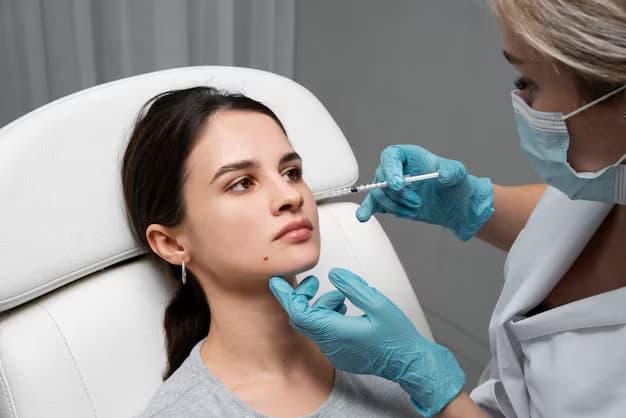
Botox treatment has become a popular option for individuals seeking to address certain facial lines, muscle related concerns, and selected jaw conditions. The procedure uses a purified form of botulinum toxin to temporarily reduce activity in targeted muscles under professional supervision. People considering Botox treatment benefit from understanding the preparation process, expected results, possible side effects, and aftercare requirements before scheduling an appointment. Proper planning and guidance from a qualified healthcare professional can help patients make informed decisions and support a safer, more comfortable treatment experience.
Why Preparation and Aftercare Matter
Preparing for treatment involves more than simply arriving for an appointment. Patients should understand their medical history, current medications, treatment goals, and any conditions that could affect their suitability. After the procedure, following professional instructions helps support recovery and allows the treated area to be monitored appropriately. Individual experiences may vary depending on the injection location, dosage, and personal response. Knowing what to expect before and after treatment can reduce uncertainty, encourage realistic expectations, and help patients recognize when professional advice may be necessary.
Important Steps to Follow Before Botox Treatment
Preparation begins with scheduling a consultation with a qualified and appropriately trained professional who understands the treatment area and injection technique. During this appointment, the provider reviews medical history, previous cosmetic procedures, allergies, medications, and individual expectations. Patients should discuss any history of muscle or nerve conditions, swallowing difficulties, pregnancy, breastfeeding, or previous reactions to botulinum toxin. These details help determine whether treatment is appropriate. A thorough consultation also provides an opportunity to understand possible benefits, limitations, costs, and risks before making a decision.
Share Complete Medical and Medication Information
Patients should provide an accurate list of prescription medications, over the counter products, vitamins, and supplements before receiving injections. Certain medications and supplements may influence bruising or bleeding risk, while specific medical conditions can affect treatment suitability. Blood thinners and other prescribed medicines should never be stopped without instructions from the prescribing healthcare professional. Patients should also mention recent illnesses, infections, or skin irritation near the intended injection area. Sharing complete information helps the provider evaluate potential concerns and develop an appropriate treatment plan based on individual circumstances.
Discuss Treatment Goals and Expected Results
A consultation should include a clear discussion about what the patient hopes to achieve through treatment. Some individuals may be interested in reducing the appearance of expression lines, while others may seek help with selected muscle related concerns such as jaw clenching. The provider evaluates facial movements, muscle activity, and the condition of the treatment area before recommending injections. Patients should understand that results are temporary and vary between individuals. Clear communication helps establish realistic expectations and prevents unnecessary treatment when alternative approaches may be more appropriate.
Understand the Treatment Area and Dosage
The appropriate injection points and dosage depend on the treatment purpose, muscle activity, anatomy, and professional assessment. Different areas require different techniques, and a treatment plan suitable for one person may not be appropriate for another. Patients should ask about the expected onset of results, possible discomfort, duration, and recommended maintenance schedule. They should also confirm that the provider has appropriate qualifications and experience with the intended procedure. Understanding these details encourages informed decision making and helps patients feel more prepared before beginning treatment.
Follow Professional Instructions Before the Appointment
Patients should follow the provider's specific preparation instructions because recommendations may differ according to the injection area and individual medical history. Some providers may advise avoiding certain nonessential products that increase bruising risk, but prescribed medication should never be changed independently. Arriving with clean skin and avoiding unnecessary irritation around the treatment area may also help make the appointment more convenient. Patients should avoid scheduling treatment when they have an active skin infection near the injection site. Asking questions beforehand can clarify any preparation requirements and reduce last minute uncertainty.
What Happens During Botox Treatment
The procedure generally involves examining the treatment area, identifying suitable injection points, and administering small amounts of botulinum toxin using a fine needle. The appointment is usually relatively brief, although the duration depends on the number of areas being treated and the complexity of the plan. Some patients experience mild pinching, temporary redness, or slight swelling around the injection sites. The provider explains what to expect immediately afterward and provides personalized instructions. Patients should communicate any unusual discomfort or concerns during the appointment rather than ignoring them.
Immediate Experiences After Injections
Mild redness, tenderness, small raised areas, or bruising may occur around the injection sites after treatment. These effects are generally temporary, although recovery experiences differ among individuals. Patients should avoid repeatedly touching or pressing the treated areas unless their provider gives specific instructions. The treatment does not usually produce immediate visible results because the targeted muscles require time to respond. Understanding this gradual process can help patients avoid unnecessary concern about early changes and allow sufficient time before evaluating the final outcome.
Essential Aftercare Steps Following Botox Treatment
Aftercare plays an important role in helping patients manage the treated area and follow the intended treatment plan. Providers may recommend avoiding rubbing, massaging, or applying unnecessary pressure to the injection sites for a specified period. Patients should also follow individualized guidance about exercise, facial treatments, and other activities immediately after injections. Instructions may vary depending on the injection location and clinical circumstances. Rather than following general advice from unreliable sources, patients should rely on the professional who performed the procedure for accurate recommendations.
Avoid Unnecessary Pressure on Treated Areas
Rubbing or massaging injection sites immediately after treatment may irritate the skin and is generally discouraged unless specifically recommended by the provider. Patients should be careful when washing their faces, applying skincare products, or receiving facial massages during the initial recovery period. They should also ask when it is appropriate to resume treatments such as facials, exfoliation, or other cosmetic procedures. Gentle care and attention to professional instructions can help reduce irritation. Any unusual swelling, increasing pain, or unexpected changes should be discussed with the treating professional.
Monitor Results and Allow Time for Improvement
Botox results usually develop gradually rather than appearing immediately after injections. Some patients begin noticing changes within several days, while the full effect may take approximately one to two weeks, depending on the treatment area and individual response. Patients should avoid judging the outcome too early or requesting additional injections before the recommended assessment period. A professional review helps determine whether the treatment has produced the expected effect and whether further care is appropriate. Maintaining realistic expectations is important because results and their duration differ from person to person.
Recognizing Possible Side Effects
Temporary bruising, redness, tenderness, headache, or localized discomfort may occur after treatment. Depending on the injection location, some individuals may experience temporary muscle weakness or changes in facial movement. Patients should contact their provider if symptoms become concerning or do not improve as expected. Rare but serious effects can include difficulty swallowing, speaking, or breathing, which require immediate medical attention. Understanding these warning signs helps patients respond appropriately rather than assuming every reaction is a normal part of recovery.
Botox Treatment for Jaw Clenching and Muscle Concerns
Botox injections may sometimes be considered for selected patients experiencing jaw clenching or excessive activity in certain facial muscles. The treatment temporarily reduces activity in targeted muscles, which may help address specific symptoms when clinically appropriate. However, jaw discomfort can have several causes, including dental problems, joint conditions, stress, and muscle tension. A complete evaluation is important before recommending injections. Patients interested in this application can explore Botox treatment options involving smile care and muscle care to understand why professional assessment matters.
Understanding Treatment Frequency and Maintenance
The duration of Botox results depends on the injection area, dosage, muscle activity, and individual response. Effects commonly last around three to four months, although some patients may experience shorter or longer periods. Repeat treatment should only be considered after professional evaluation and according to an appropriate schedule. Patients experiencing jaw clenching may also benefit from discussing other management options with their dentist. Information about how often dental Botox can be repeated for jaw clenching can provide additional context about maintenance and treatment expectations.
Choosing a Qualified Professional for Botox Treatment
Selecting an experienced and appropriately licensed professional is an essential part of treatment planning. Patients should verify qualifications, understand the provider's experience with the intended injection area, and ask about the product being used. A responsible provider explains potential complications, discusses alternatives, and avoids promising identical results for every patient. Patients considering injections for jaw discomfort should also understand that Botox may not address every underlying dental or joint condition. Exploring the different considerations involved in TMJ disorders and treatment options can help clarify why individualized evaluation is important.
Conclusion
Following appropriate preparation and aftercare instructions can help patients approach Botox treatment with greater confidence and realistic expectations. A thorough consultation, complete medical disclosure, careful treatment planning, and professional monitoring are important throughout the process. Patients should also understand possible side effects, recognize warning signs, and follow recommendations regarding future appointments. Choosing a qualified provider helps support informed decisions and responsible care. Martinez & Martinez Family Dental Care can guide patients seeking information about suitable dental and muscle related treatment options while emphasizing professional evaluation and personalized care.

 English
 Arabic
 French
 Spanish
 Deutsch
 Turkish
 Dutch
 Italiano
 Russian
 Romaian
 Portuguese (Brazil)
 Greek
