


Simplifying Long-Term Watercraft Care With Fox Creek Boat Storage Service Solutions
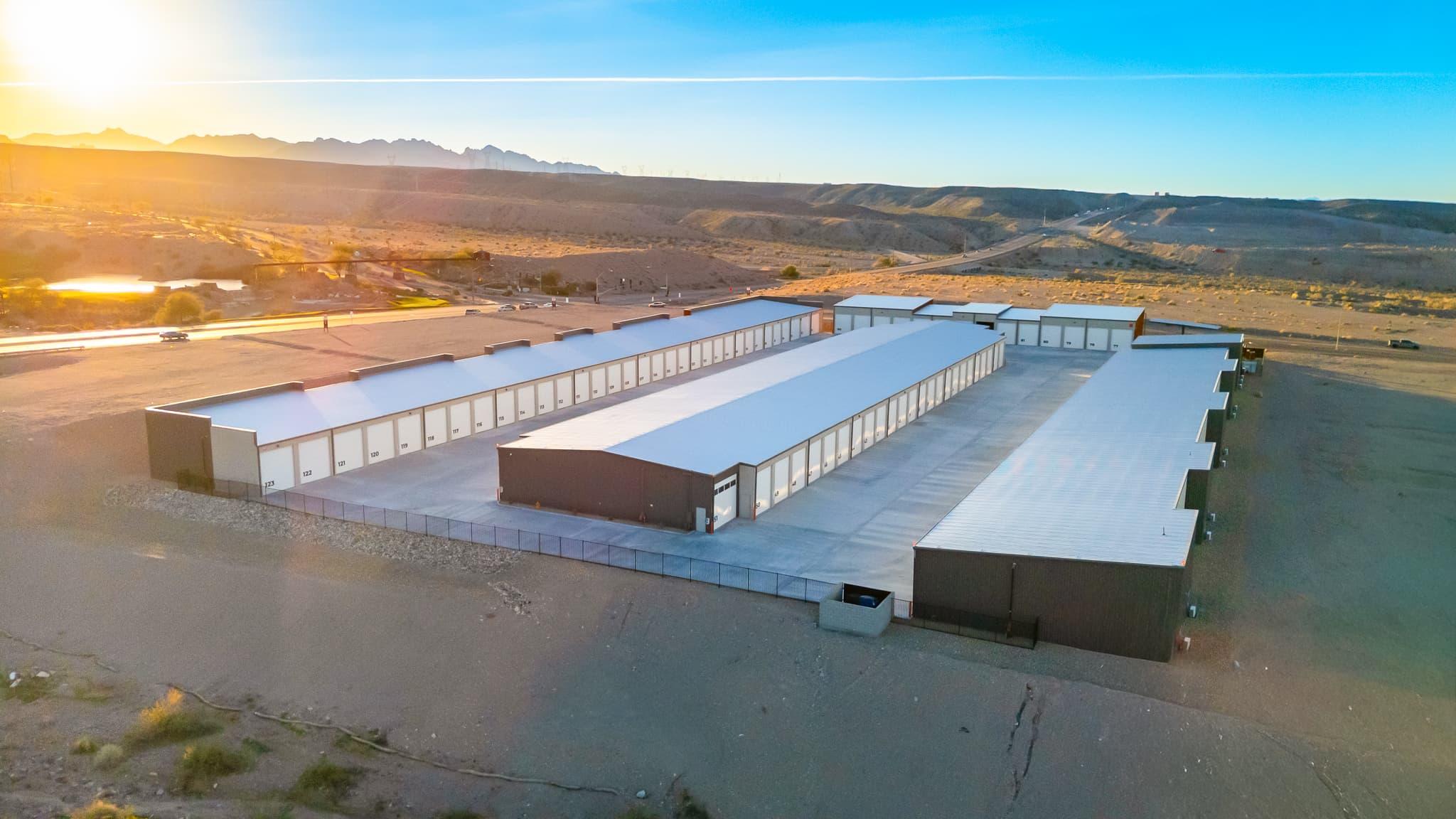
Owning a boat involves ongoing responsibilities that continue even when recreational activities are temporarily paused. Watercraft require suitable parking, periodic inspections, cleaning, and mechanical attention to remain in dependable condition. Extended periods of inactivity can create challenges when owners do not have enough room at home or cannot maintain an organized parking arrangement. A Fox Creek boat storage service can help address these concerns by providing a designated place for vessels between outings. Combining suitable storage with regular maintenance allows owners to manage their boats more efficiently throughout changing seasons.
Preparing Watercraft for Extended Storage
Preparation is one of the most important steps before placing a boat into long term storage. Owners should remove food, personal belongings, fishing equipment, and other unnecessary materials. Cleaning the hull, deck, seating, and accessible compartments helps prevent dirt and moisture from remaining on surfaces. Mechanical components should be prepared according to manufacturer recommendations, particularly when the vessel will remain unused for several months. Battery care, fuel system preparation, and engine maintenance may also be necessary. Completing these tasks creates a reliable starting point for protecting the vessel during extended inactivity.
Selecting Space Based on Boat Dimensions
A suitable storage arrangement should match the boat's complete dimensions rather than focusing only on its hull. Trailer length, overall width, height, and additional equipment can influence the amount of parking space required. Owners should measure the vessel and trailer before choosing a unit or parking area. They should also consider the turning space needed to enter and exit safely. Adequate clearance makes positioning easier and reduces unnecessary handling difficulties. Selecting suitable dimensions from the beginning can prevent overcrowding and create a more convenient arrangement for long term watercraft management.
Maintaining Exterior Surfaces and Finishes
The exterior of a boat requires attention even when the vessel is not regularly used. Dust, dirt, moisture, and environmental exposure can affect finishes and surfaces over time. Cleaning the boat before storage helps remove contaminants that might otherwise remain on the hull and deck. Owners should use suitable cleaning products recommended for their vessel's materials. Protective treatments may also be appropriate when advised by manufacturers or maintenance professionals. Periodic visual inspections can reveal scratches, discoloration, or other changes that deserve attention before they become more difficult to address.
Protecting Mechanical Components During Inactivity
Mechanical systems should never be overlooked during long periods of boat storage. Engines, fuel systems, batteries, steering equipment, and other components may require specific maintenance procedures before extended inactivity. Owners should consult manufacturer instructions to determine suitable preparation and inspection schedules. Certain tasks may require professional servicing, especially when specialized equipment or technical knowledge is involved. Maintaining service records helps track completed work and identify upcoming requirements. A consistent mechanical care routine supports dependable operation and reduces the possibility of unexpected maintenance concerns when the vessel returns to regular recreational use.
Organizing Boating Accessories and Supplies
A boat often requires numerous accessories that should remain organized throughout the storage period. Life jackets, anchors, ropes, fishing equipment, cleaning materials, and navigation supplies can become difficult to locate when stored without a consistent system. Grouping similar items in labeled containers makes retrieval easier and helps owners identify missing equipment. Wet accessories should be cleaned and dried before packing. Fragile supplies should be separated from heavy objects to reduce accidental damage. Maintaining an updated inventory creates a practical reference that supports more efficient preparation before every boating trip.
Making Routine Inspections More Efficient
Regular inspections help identify developing concerns before they affect the vessel's condition. Owners can establish a schedule for checking visible surfaces, protective coverings, trailer tires, and accessible equipment. Any unusual odor, moisture accumulation, or sign of deterioration should receive appropriate attention. Inspection records can help owners compare conditions between visits and determine whether maintenance is required. A simple checklist prevents important tasks from being overlooked, especially during longer storage periods. Consistent monitoring encourages responsible ownership and provides greater confidence when preparing a boat for its next recreational outing.
Managing Seasonal Maintenance Requirements
Watercraft maintenance requirements can change throughout the year according to local weather conditions and boating schedules. Periods of frequent use may require more regular cleaning, while extended breaks can involve additional preparation and inspection tasks. Owners should consider seasonal servicing, equipment checks, and protective measures based on their vessel's specific needs. Planning maintenance in advance helps prevent rushed preparation when boating conditions become favorable again. A calendar containing important service dates and inspection reminders makes responsibilities easier to manage. This organized approach supports better vessel care throughout the year.
Improving Residential Space With Separate Boat Parking
Keeping a boat and trailer at home can occupy considerable driveway or garage space. This arrangement may limit room for household vehicles, outdoor activities, and everyday movement around the property. A separate storage location provides an opportunity to organize recreational equipment away from frequently used residential areas. Owners can maintain a cleaner driveway while keeping their vessels available for planned outings. Separating boat parking from household activities also reduces the need to rearrange residential spaces whenever other responsibilities arise. This can make everyday property management more convenient.
Establishing a Sustainable Watercraft Care Routine
Long term care becomes more manageable when owners follow consistent storage practices. Preparing the boat properly, organizing accessories, maintaining inspection records, and scheduling mechanical servicing all contribute to a reliable routine. Each visit can focus on specific maintenance tasks rather than requiring a complete reassessment of the vessel. Owners should also update inventories after recreational trips and remove unnecessary supplies. These habits reduce confusion and encourage better preparation. A sustainable routine helps maintain watercraft condition while making storage responsibilities easier to balance with everyday commitments.
Conclusion
Long term watercraft care requires more than finding a suitable parking location. Proper cleaning, mechanical preparation, organized accessories, regular inspections, and seasonal maintenance all contribute to responsible boat ownership. A practical storage arrangement can make these responsibilities easier while providing additional room around residential properties. By establishing consistent habits and selecting space that accommodates their vessels, owners can manage extended periods of inactivity with greater confidence. Residents considering local watercraft storage solutions can explore the options available through Toy Shack Storage LLC when planning an organized approach to boat parking and maintenance.

 English
 Arabic
 French
 Spanish
 Portuguese
 Turkish
 Dutch
 Italiano
 Russian
 Romaian
 Portuguese (Brazil)
 Greek
