


Voice Assistant Market Transforms Everyday Productivity Across Connected Homes And Workplaces Today
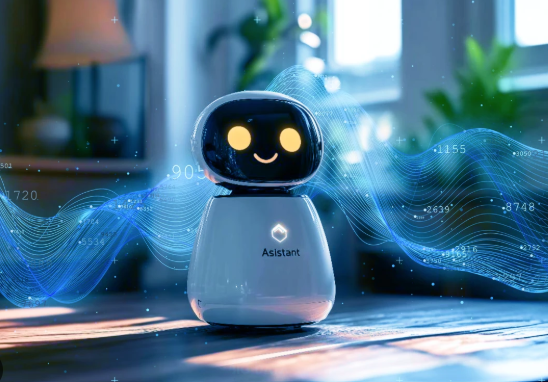
The Voice Assistant Market is reshaping how people interact with technology in homes, offices, vehicles, and service environments. Voice assistants use spoken language to help users retrieve information, control devices, schedule tasks, and complete routine actions without touching a screen. This hands-free convenience supports accessibility and helps people stay focused on the task in front of them. Consumers use assistants to manage home routines, play media, and search for practical information. Businesses apply voice interfaces to customer service, field operations, and internal productivity. The technology is not simply a novelty; it is becoming a natural layer of interaction across connected ecosystems. This article examines practical value, user experience, enterprise use cases, privacy expectations, and adoption choices. It avoids technical complexity and emphasizes clear outcomes. Readers gain a professional view of how voice assistants can support convenience and efficiency when trust, usability, and responsible design are treated as priorities.
Natural Language Interaction Improves Everyday Convenience
Natural language interaction makes technology feel more approachable. Users can ask questions in everyday language and receive spoken responses without navigating menus or typing queries. This reduces friction for simple tasks such as setting reminders, checking weather, or controlling lights. It also helps people who find screens difficult to use because of visual impairment, mobility limitations, or situational constraints. Voice assistants can support multitasking by allowing users to issue commands while cooking, driving, or moving through a facility. The experience improves when assistants understand context, remember preferences, and respond consistently across devices. Poor recognition, confusing responses, or inconsistent behavior can quickly frustrate users. Organizations should test voice experiences in real environments and gather feedback from diverse users. Clear prompts, graceful recovery from errors, and accessible alternatives matter. When natural language interaction is designed well, it makes everyday technology feel more intuitive and inclusive.
Enterprise And Customer Service Use Cases Expand
Business adoption of voice assistants is expanding beyond consumer novelty. Customer service teams use voice interfaces to handle routine inquiries, guide users through processes, and route complex issues to human agents. Field workers use voice commands to access instructions, log updates, and request support while keeping their hands free. Internal teams use assistants to schedule meetings, search knowledge, and automate simple workflows. These use cases can reduce response times and improve consistency when designed around real tasks. However, enterprise voice requires careful planning. Assistants must integrate with backend systems, respect permissions, and provide accurate information. They must also handle exceptions gracefully and escalate to humans when needed. Organizations should define clear scope, test with representative users, and monitor performance. Training helps staff understand capabilities and limits. When enterprise voice assistants support focused workflows, they can improve efficiency without adding unnecessary complexity.
Privacy And Trust Shape Responsible Adoption
Privacy and trust are central to responsible voice assistant adoption. Voice interactions can involve sensitive information, including schedules, health details, customer data, and workplace discussions. Users need confidence that assistants are listening only when intended and that information is handled appropriately. Organizations should be transparent about data collection, storage, and use. They should provide clear controls for muting, deleting, and managing voice history. Security safeguards should protect accounts, devices, and integrations. In shared environments, assistants should avoid exposing private information through spoken responses. Consent and appropriate defaults matter, especially in healthcare, financial services, and public spaces. Training helps users understand privacy settings and best practices. Governance should assign ownership for reviews and incident response. When privacy is treated as a design priority, voice assistants can earn trust and support sustained adoption across sensitive environments.
Implementation Choices For Durable Value
Durable value depends on thoughtful implementation. Organizations should begin with a clear purpose, such as improving accessibility, reducing customer wait times, or supporting hands-free field work. They should involve users, technology teams, security specialists, and compliance advisors in planning. A phased rollout can test voice experiences in focused settings and gather feedback before wider use. Device selection, network reliability, language support, and integration needs should be assessed early. Communication should explain what the assistant can do and where human support remains available. Training helps users issue effective commands and interpret responses. Maintenance keeps skills, integrations, and content current as systems change. Leadership should connect voice initiatives to measurable outcomes such as faster service, better accessibility, or improved task completion. Success should be judged by user trust and workflow impact rather than feature count. With disciplined planning, voice assistants can become a dependable part of daily operations.
➤ Latest Market Intelligence from Market Research Future:

 English
 Arabic
 French
 Spanish
 Portuguese
 Deutsch
 Turkish
 Dutch
 Italiano
 Romaian
 Portuguese (Brazil)
 Greek
