


Air Quality Monitoring Software Market Demand Supports Better Decisions Across Connected Workplaces
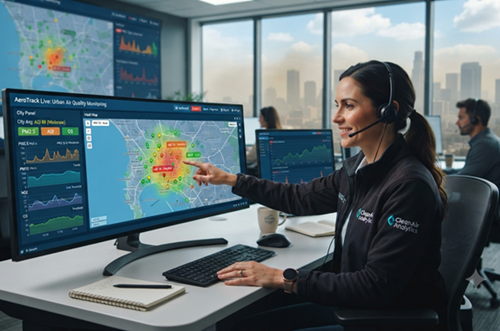
Air Quality Monitoring Software Market Demand is growing as organizations seek clearer ways to manage indoor environments and support occupant confidence. Teams want practical tools that turn environmental signals into coordinated action. They also want software that fits with building systems, workplace workflows, and communication practices. Demand is not uniform; it varies by setting, user group, and operational priority. This article explores demand from workplaces, public spaces, healthcare settings, and commercial venues, along with the ways suppliers can respond. It emphasizes clear use cases and responsible implementation. The aim is to show how organizations can translate interest into services that are useful, maintainable, and trusted. The discussion focuses on practical value rather than narrow claims.
Demand From Workplaces And Shared Spaces
Workplaces create growing demand as employees and visitors navigate shared spaces with varied needs. Modern offices often include flexible seating, meeting rooms, collaboration zones, and support services. Teams want confidence that indoor conditions are managed thoughtfully. They also want information that helps them plan room use and respond to changing occupancy. Monitoring software can support these needs by providing clear views of environmental conditions and trends. It can help facility teams prioritize ventilation, maintenance, and communication. Demand in this segment is linked to employee experience and operational efficiency. Organizations should consider how the software fits with building access, room scheduling, and workplace services. Privacy expectations are important, especially when occupancy patterns are visible. A thoughtful implementation respects user choice and avoids unnecessary collection. When handled well, environmental monitoring supports a more comfortable and productive workplace.
Public And Healthcare Setting Expectations
Public and healthcare settings bring distinct expectations. Public buildings serve diverse visitors who may need clear, accessible information about indoor conditions. Healthcare facilities require careful awareness in patient areas, waiting rooms, and support spaces. Staff need reliable signals that help them prioritize ventilation, maintenance, and communication. Visitors need reassurance that their environment is being managed thoughtfully. Demand in these settings is driven by both health and trust. Organizations should focus on clear communication, appropriate access, and sensible escalation. They should also consider accessibility so that information reaches people with different needs. Privacy deserves attention because occupancy and building details may be sensitive. A phased rollout can help teams test workflows and refine views before broader use. When environmental monitoring is implemented with care, it supports healthier spaces and stronger confidence among the people who rely on them.
Commercial Venue Needs And Service Discovery
Commercial venues create demand for environmental monitoring that supports guest comfort and operational awareness. Retail spaces want to protect shopper comfort while managing energy use and maintenance. Hospitality venues want guests to feel confident in restaurants, rooms, and event areas. Commercial buildings want to support tenants and visitors with clear communication and reliable service. Monitoring software can help by highlighting changing conditions and supporting timely adjustments. It can also connect environmental awareness with service workflows, maintenance requests, and occupant updates. Demand is strongest when the software fits the venue’s operating rhythm. Staff need simple views that support action, while managers need summaries that support planning. Communication should be clear and avoid alarm. Organizations should review feedback and refine workflows over time. When environmental intelligence supports both comfort and efficiency, commercial venues can create more trustworthy experiences.
Supplier Response And Responsible Growth
Suppliers should respond to demand with practical, maintainable solutions. Reliable sensing and clear dashboards remain foundational. Role-based views, accessible communication, and sensible alerts help reach diverse users. Maintenance workflows are essential because buildings change and sensors need care. Suppliers should offer integration options that fit existing systems without forcing unnecessary complexity. Communication matters: buyers need to understand what the solution does, how it will be supported, and what internal effort is required. Training and documentation help organizations manage the service confidently. The demand anchor should encourage suppliers to listen to real use cases rather than chase feature trends. By focusing on reliability and user trust, suppliers can support organizations that want environmental monitoring to become a dependable part of daily operations. Responsible growth depends on quality, clarity, and sustained support.
➤ Latest Market Intelligence from Market Research Future:

 English
 Arabic
 French
 Spanish
 Portuguese
 Deutsch
 Turkish
 Dutch
 Italiano
 Russian
 Romaian
 Greek
