


As Czech Summers Intensify, Which Cooling Systems Will Households Choose?
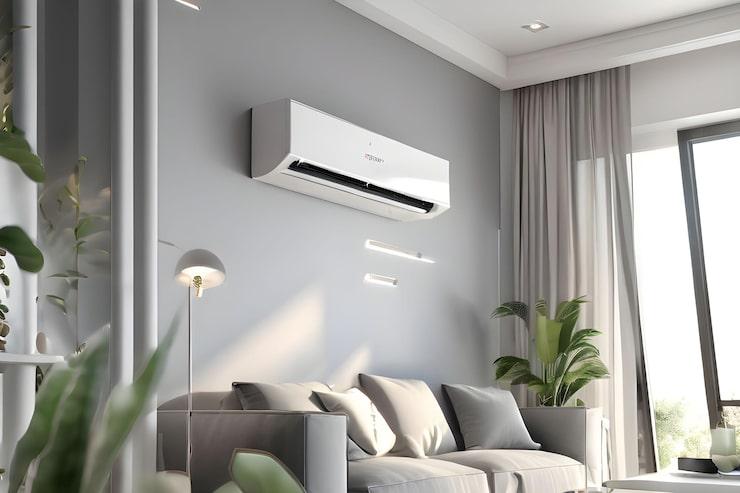
The role of residential cooling in the Czech Republic is changing as warmer summers, evolving housing requirements, and greater attention to indoor comfort influence household equipment decisions. Air conditioning, once considered a relatively specialised home appliance, is becoming more relevant to households seeking reliable temperature management during warmer periods. At the same time, energy efficiency, installation suitability, and refrigerant compliance are shaping product selection across the country.
According to a Vyansa Intelligence report, the Czech Republic Room Air Conditioners Market was valued at USD 165 Million in 2025 and is projected to reach USD 211 Million by 2032, registering a CAGR of 3.58% during 2026-2032. This expansion reflects the gradual integration of cooling systems into residential improvement decisions and the need for equipment that balances indoor comfort with operating efficiency.
Warmer Conditions Are Strengthening Residential Cooling Requirements
Changing climatic conditions are making indoor temperature management increasingly relevant across the Czech Republic. Warmer weather can intensify indoor heat accumulation, particularly in apartments, upper-floor rooms, buildings with limited ventilation, and properties exposed to direct sunlight. Natural ventilation may provide relief under moderate conditions, but its effectiveness can become limited during prolonged warm periods.
These circumstances are supporting consideration of dedicated room cooling systems. Households are increasingly evaluating air conditioners as practical equipment for maintaining comfortable indoor environments, particularly in bedrooms, living spaces, and home offices. Demand is also connected to changing expectations around residential comfort, as consumers place greater importance on indoor environmental quality.
The Czech Hydrometeorological Institute's climate observations, discussed in the industry report, reinforce the relevance of this shift. As warmer conditions become a more prominent consideration in building management, cooling requirements are likely to become more closely integrated into household renovation and equipment replacement decisions.
Residential Construction and Home Improvement Support Demand
Residential construction and housing improvement activity provide another demand channel for cooling equipment. New apartments and houses create opportunities for first-time air conditioner installations, while existing properties generate replacement and upgrade requirements. Buyers planning residential improvements may consider cooling systems alongside electrical upgrades, insulation, ventilation, and other household equipment.
This relationship is particularly relevant for split air conditioners, which can provide dedicated cooling across selected rooms. Their fixed installation format makes them suitable for households seeking a more permanent solution than portable equipment. Property owners may also evaluate installation requirements during renovation projects, allowing cooling systems to be incorporated into broader residential improvement plans.
Housing support initiatives and building modernisation programmes can contribute indirectly by encouraging improvements to residential properties. However, the extent to which these programmes translate into air conditioner purchases depends on household budgets, installation feasibility, and the specific priorities of individual renovation projects.
Energy Efficiency Is Influencing Product Selection
Electricity consumption remains an important consideration when households evaluate room cooling equipment. Purchase decisions increasingly involve more than initial appliance pricing. Consumers may compare operating efficiency, cooling capacity, temperature control, noise levels, maintenance requirements, and expected usage patterns before selecting a system.
Inverter technology is relevant to this purchasing shift because it adjusts compressor operation according to cooling demand rather than relying solely on repeated full-capacity operation. This can support more consistent temperature management and help households manage electricity consumption, depending on operating conditions and product specifications.
For manufacturers and distributors, communicating verified energy-efficiency performance and operating characteristics can strengthen product differentiation. Inverter-based models, efficient compressors, and improved control systems are therefore important considerations in the Czech Republic Room Air Conditioners Market.
The International Energy Agency's Czechia 2025 assessment also identifies cooling demand as an emerging consideration in the country's longer-term energy planning. It highlights the need to address cooling sustainably through efficiency standards, improved building design, and alternative approaches where appropriate.
Refrigerant Transition Is Reshaping Product and Service Requirements
Environmental regulation is influencing product development and distribution across the European cooling equipment sector. The European Union's revised fluorinated greenhouse gas framework is increasing attention to refrigerant selection, equipment compliance, servicing practices, and the transition toward lower-impact alternatives.
For manufacturers supplying the Czech Republic, regulatory alignment is becoming an important part of product planning. Refrigerant availability, technician training, servicing infrastructure, and installation practices can affect the commercial suitability of different product categories. Distributors and installers also need to understand changing equipment requirements to support compliant product selection and after-sales service.
These developments create opportunities for suppliers offering products compatible with evolving environmental requirements. However, the transition can increase operational complexity, particularly for smaller installation businesses that need to update technical knowledge, equipment handling procedures, and service capabilities.
Product Preferences and Distribution Strategies
Split air conditioners remain an important product category because they address demand for fixed residential cooling. Their suitability across different room configurations allows manufacturers to offer multiple cooling capacities and product specifications. Window units and portable alternatives also serve buyers with different installation constraints, property arrangements, and budget considerations.
Technology differentiation is another important competitive factor. Inverter and non-inverter products address different purchasing priorities, while connected features can provide remote operation and greater control over household cooling schedules. Price positioning also influences accessibility, particularly among households balancing upfront expenditure against long-term operating considerations.
Sales channels play a role in connecting these products with different customer groups. Online platforms support product comparison and specification research, while physical retailers and specialist dealers provide installation guidance and product demonstrations. Local distribution and after-sales service remain relevant because air conditioner purchases frequently involve technical assessment, installation, and maintenance.
Opportunities and Challenges for Industry Participants
In this report, the demand opportunity is closely associated with rising attention to indoor comfort, residential upgrades, and efficient cooling technologies. Manufacturers can strengthen their positioning through products suited to different room sizes, energy-efficiency requirements, installation conditions, and household budgets.
Detailed market insights also indicate that suppliers need to address the complete ownership experience rather than focus exclusively on equipment availability. Installation quality, maintenance access, warranty support, and refrigerant compliance can influence purchasing confidence and long-term product performance.
However, affordability remains a consideration for households evaluating cooling equipment. Initial purchase costs, installation expenses, electricity consumption, and maintenance requirements can affect adoption decisions. Suppliers must therefore balance advanced features with accessible product configurations.
Industry analysis suggests that the competitive environment will increasingly depend on product efficiency, regulatory readiness, distribution coverage, and service capabilities. The Latest market analysis also points to the importance of aligning cooling solutions with building characteristics and household requirements. For businesses assessing this opportunity, the Market research report provides a framework for understanding product categories, technology preferences, end-user demand, and sales-channel dynamics.
Conclusion
Demand for room cooling in the Czech Republic is being shaped by changing climatic conditions, residential improvement activity, and stronger consideration of energy efficiency. The industry's development will depend on how effectively manufacturers and distributors respond to these requirements while adapting to refrigerant regulations and household affordability constraints. Suppliers combining efficient equipment, appropriate product configurations, compliant refrigerant technologies, and reliable installation support will be better positioned to address evolving residential cooling needs.

 English
 Arabic
 French
 Spanish
 Portuguese
 Deutsch
 Turkish
 Dutch
 Italiano
 Russian
 Portuguese (Brazil)
 Greek
