


What Happens During a Lymphatic Massage and Why Is It Used
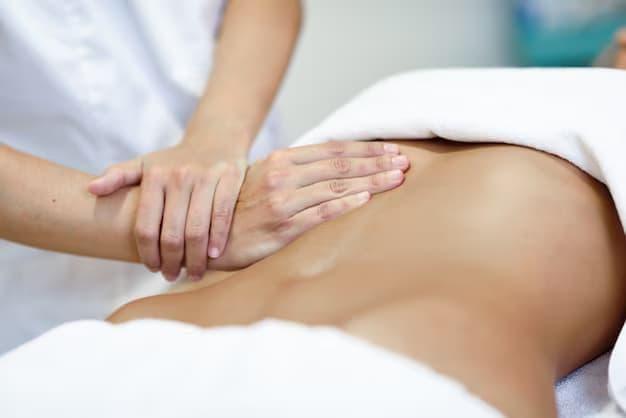
The lymphatic system plays an important role in maintaining fluid balance, supporting immune function, and helping the body manage waste products. When fluid collects in tissues or lymph circulation becomes less efficient, swelling and discomfort may develop. A lymphatic massage is a specialized technique designed to encourage the movement of lymph fluid through the body's natural drainage pathways. Unlike traditional massage methods that focus on deeper muscle layers, this approach generally uses gentle, rhythmic movements to support circulation and promote a feeling of physical comfort.
Understanding the Lymphatic System
The lymphatic system is a network of vessels, lymph nodes, and organs that helps transport lymph fluid throughout the body. This fluid contains water, proteins, immune cells, and other substances collected from body tissues. Lymph vessels carry it toward lymph nodes, where certain materials are filtered and immune processes take place. The system eventually returns fluid to the bloodstream, helping maintain a healthy balance between fluids inside and outside the body's tissues.
Why Lymph Circulation Matters
Healthy lymph circulation supports several important bodily functions. It helps prevent excessive fluid accumulation, transports immune cells, and contributes to the body's natural defense processes. Unlike blood circulation, which relies on the heart as a central pump, lymph movement depends partly on muscle contractions, breathing, and the activity of lymph vessel walls. When normal drainage is disrupted, fluid may collect in certain areas and contribute to swelling, heaviness, or tightness that affects everyday comfort.
What Is Lymphatic Massage?
Lymphatic massage, often called manual lymphatic drainage, is a gentle massage technique intended to encourage lymph fluid movement toward functioning lymph pathways and nodes. Practitioners use light pressure and slow, repetitive strokes rather than the firm kneading associated with some other massage styles. The technique follows an organized sequence based on the body's lymphatic pathways. Its purpose is not to force fluid through tissues but to support the movement of fluid through areas where normal drainage remains available.
How It Differs From Traditional Massage
Traditional massage techniques often concentrate on muscles, connective tissues, and areas of tension. Depending on the method, they may involve kneading, compression, friction, or sustained pressure. Lymphatic massage uses much lighter contact because many lymph vessels are located close to the skin's surface. The practitioner works with gentle, rhythmic movements rather than deep pressure. This difference makes the treatment distinct from deep tissue massage and other approaches focused primarily on muscle relaxation or physical tension.
What Happens During a Lymphatic Massage Session?
A session generally begins with a conversation about the individual's health history, concerns, swelling patterns, and treatment goals. The practitioner may ask about previous surgeries, medical conditions, medications, or existing diagnoses that could affect the suitability of treatment. This discussion helps identify possible precautions and determine whether professional medical guidance is needed before beginning. The practitioner may also explain the planned technique, areas to be addressed, expected sensations, and approximate session duration.
Preparing the Body for Treatment
Before applying massage movements, the practitioner may position the individual comfortably on a treatment table and ensure the room provides a calm environment. Depending on the treatment plan, the session may begin with gentle movements around the neck, collarbone, or other central drainage regions. These areas are addressed to prepare available pathways before working on regions where fluid accumulation may be present. The sequence varies according to the person's needs and the practitioner's training.
Gentle and Rhythmic Hand Movements
During treatment, the practitioner uses slow, controlled movements that lightly stretch the skin in specific directions. These movements are generally repeated in a consistent rhythm and follow the body's lymphatic pathways. Pressure remains gentle because excessive force is unnecessary for this technique and may cause discomfort. Depending on the treatment area, the practitioner may work around the arms, legs, abdomen, or other regions. The experience is usually intended to feel comfortable rather than intense or painful.
Areas Commonly Addressed
The areas included in a session depend on the individual's symptoms, medical background, and treatment goals. Some sessions focus on the arms or legs, particularly when swelling affects those regions. Others may include the abdomen, neck, or surrounding tissues when appropriate. Practitioners typically consider where fluid is collecting and which drainage pathways are available. Treatment should be adapted to the individual rather than following an identical routine for every person.
Why Is Lymphatic Massage Used?
One of the main reasons lymphatic massage is used is to help manage certain types of swelling associated with impaired lymph drainage. It may form part of a broader care plan for people experiencing lymphedema, including swelling that develops after some cancer treatments or surgical procedures. In appropriate cases, manual lymphatic drainage is combined with other strategies, such as compression garments, movement, skin care, and prescribed exercises. A qualified healthcare professional can determine whether this approach is suitable.
Supporting Comfort When Swelling Occurs
Fluid accumulation can create sensations of heaviness, tightness, and reduced comfort in affected areas. When appropriately recommended, lymphatic massage may help move available fluid toward functioning drainage pathways and support swelling management. Some individuals may notice that treated areas feel less heavy or more comfortable after a session. However, outcomes differ according to the cause and severity of swelling. The technique should not be presented as a guaranteed solution or a replacement for medical evaluation.
Supporting Recovery After Certain Procedures
In selected situations, healthcare professionals may include lymphatic drainage techniques in recovery plans following surgery. The timing and suitability depend on the procedure, healing progress, and the surgeon's instructions. Gentle treatment may be considered when postoperative swelling needs to be managed, but it should never begin without appropriate clearance. Individuals recovering from surgery should follow their medical team's recommendations and avoid massage over incisions, infections, or other areas where treatment has not been approved.
Promoting Relaxation and Body Awareness
Although lymphatic massage is primarily associated with fluid movement, its gentle and repetitive nature may also create a relaxing experience. Some individuals find that the slow movements help them feel calmer and more comfortable during treatment. The quiet pace may encourage awareness of breathing and physical sensations without the intensity of deeper massage methods. Relaxation can be a welcome part of the experience, although it should be distinguished from the specific medical purpose of managing lymphatic swelling.
Who May Benefit From Lymphatic Massage?
People with certain forms of lymphedema may benefit from manual lymphatic drainage when it is recommended as part of a professionally supervised treatment plan. Individuals experiencing swelling after specific medical procedures may also be considered when their healthcare providers approve the technique. Suitability depends on the underlying cause of symptoms, overall health, and the condition of the lymphatic system. A proper assessment is important because not every type of swelling responds to lymphatic massage.
When Professional Assessment Is Important
Swelling can have several causes, including injury, infection, circulation problems, medication effects, and underlying medical conditions. New, unexplained, painful, or rapidly worsening swelling should be evaluated by a healthcare professional before massage is considered. Sudden swelling accompanied by chest pain or difficulty breathing requires urgent medical attention. People with suspected blood clots, active infections, certain heart or kidney conditions, or other significant medical concerns should receive professional guidance before undergoing lymphatic treatment.
What to Expect After a Session
After a session, some individuals report feeling relaxed or noticing a temporary change in the sensation of heaviness in the treated area. Others may experience little immediate difference, particularly when swelling is associated with a long-term condition. Results depend on the individual's health, the cause of fluid accumulation, and the overall treatment plan. Lymphatic massage is not a detoxification shortcut, and claims that it removes toxins, causes substantial weight loss, or cures medical conditions should be viewed cautiously.
Helpful Habits Between Sessions
When lymphatic massage is part of an approved care plan, everyday habits may support overall comfort and fluid management. Appropriate movement, gentle activity, and following prescribed compression instructions can be useful for some individuals. Maintaining skin hygiene and protecting affected areas from injury may also be important, particularly for people managing lymphedema. Hydration and general wellness habits support normal bodily functions, but they should not replace specific medical recommendations or prescribed treatment.
Choosing an Appropriate Lymphatic Massage Approach
Selecting a practitioner involves more than choosing a relaxing treatment. Individuals managing swelling related to a medical condition should look for someone with appropriate training in manual lymphatic drainage and experience working with relevant health concerns. A practitioner should ask about medical history, explain the technique, and recognize situations requiring referral to a healthcare professional. Clear communication about pressure, comfort, and treatment goals also helps ensure that sessions remain appropriate and responsive to individual needs.
Conclusion
Lymphatic massage is a specialized, gentle technique used to encourage lymph fluid movement and support the management of certain types of swelling. Its methods differ from traditional massage because they focus on light, rhythmic skin movements rather than deep muscle pressure. When recommended for an appropriate condition, it may contribute to a broader approach to physical comfort and swelling management. Individuals considering this service through Chiropractic Massage should understand its purpose, discuss relevant health concerns with qualified professionals, and choose treatment based on informed guidance rather than unrealistic promises.

 English
 French
 Spanish
 Portuguese
 Deutsch
 Turkish
 Dutch
 Italiano
 Russian
 Romaian
 Portuguese (Brazil)
 Greek
