


Preparing for Radiation Oncology Treatment: Essential Tips for Patients and Caregivers
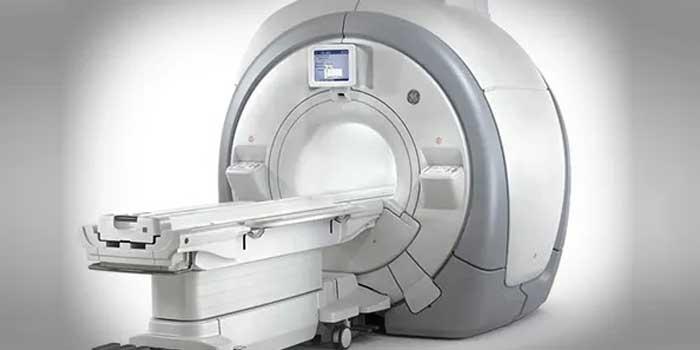
A cancer diagnosis can bring many questions, emotions, and uncertainties. When a doctor recommends radiation therapy, patients and their families may wonder what to expect, how to prepare, and how to manage everyday responsibilities during treatment.
Radiation Oncology Treatment is an important part of cancer care that uses carefully planned radiation to damage cancer cells and control tumour growth. Depending on the cancer type, stage, location, and overall health, it may be recommended alone or alongside surgery, chemotherapy, or other treatments.
Preparing in advance can help patients feel more confident and manage the treatment journey with better support. Understanding the process, following medical advice, and involving caregivers can make a meaningful difference in the overall experience.
1. Understand the Treatment Plan
Before beginning radiation therapy, patients should understand why the treatment has been recommended and what it aims to achieve.
The radiation oncologist evaluates medical reports, imaging results, tumour location, and other health factors before developing an individualized plan.
Patients can ask their doctor about:
-
The purpose of radiation therapy and the expected treatment goals.
-
The number of treatment sessions required.
-
The approximate duration of each appointment.
-
Possible short-term and long-term side effects.
-
Whether additional treatments may be needed.
-
Any precautions to follow during the treatment period.
Having clear information can reduce uncertainty and help patients make informed decisions about their care.
2. Complete All Recommended Medical Evaluations
Before treatment begins, doctors may recommend certain tests to understand the patient's condition and plan radiation delivery accurately.
These evaluations may include blood tests, CT scans, MRI scans, PET scans, or other investigations depending on the cancer type.
A planning appointment, commonly called simulation, may also be required. During this session, specialists determine the patient's treatment position and identify the area that needs radiation.
Small skin marks or positioning devices may be used to help maintain consistent positioning during future sessions.
Patients should inform their medical team about existing health conditions, previous treatments, allergies, and medications.
3. Maintain a Balanced and Nutritious Diet
Good nutrition supports general health and helps the body cope with the physical demands of cancer treatment.
Some patients may experience reduced appetite, nausea, difficulty swallowing, or changes in taste during therapy. Nutritional needs can also vary depending on the treatment area.
Helpful dietary practices include:
-
Eating balanced meals with adequate protein, carbohydrates, and healthy fats.
-
Including fruits and vegetables when tolerated.
-
Drinking sufficient fluids unless the doctor recommends fluid restrictions.
-
Eating smaller meals more frequently if appetite is reduced.
-
Choosing soft foods when swallowing becomes uncomfortable.
-
Consulting a dietitian if weight loss or nutritional difficulties develop.
Patients should avoid starting supplements or restrictive diets without discussing them with their healthcare team.
4. Prepare for Possible Side Effects
Side effects depend on the radiation dose, treatment area, individual health, and other treatments being received.
Some patients experience fatigue, skin irritation, appetite changes, or discomfort in the treated area. Others may have very few noticeable symptoms.
Understanding possible reactions helps patients recognize changes and seek timely medical guidance.
Common preparation tips include:
-
Wear loose, comfortable clothing around the treatment area.
-
Use only doctor-approved skincare products.
-
Avoid rubbing, scratching, or applying unapproved creams to treated skin.
-
Take adequate rest between daily activities.
-
Report unusual pain, skin changes, fever, or worsening symptoms.
-
Follow instructions regarding bathing and skin care.
Patients should never ignore new or severe symptoms. Their medical team can recommend suitable ways to manage discomfort safely.
5. Organize Daily Activities and Appointments
Radiation therapy is often delivered over multiple sessions, depending on the treatment plan. Organizing daily routines can reduce unnecessary stress.
Patients should keep track of appointment dates, medical instructions, test reports, and prescribed medications.
It may also help to arrange transportation, especially when fatigue or other side effects make travelling difficult.
Some patients continue working or performing regular activities during treatment, while others may need temporary adjustments. Activity levels should be based on individual energy levels and medical advice.
Planning meals, household responsibilities, and rest periods in advance can make everyday life more manageable.
6. Understand the Importance of Caregiver Support
Caregivers play an important role in helping patients navigate cancer treatment. Their support may involve practical assistance, emotional encouragement, and communication with healthcare professionals.
Family members can contribute by:
-
Accompanying patients to medical appointments when needed.
-
Helping organize prescriptions and medical documents.
-
Preparing nutritious meals based on dietary recommendations.
-
Encouraging adequate rest and appropriate physical activity.
-
Listening patiently to emotional concerns.
-
Helping communicate new symptoms to the medical team.
Caregivers should also take care of their own physical and emotional well-being. Sharing responsibilities among family members can help prevent exhaustion.
7. Take Care of Emotional and Mental Health
Cancer treatment can affect emotional well-being as much as physical health. Patients may experience anxiety, sadness, frustration, or uncertainty about the future.
Talking openly with family members, doctors, counsellors, or support groups can help patients manage these feelings.
Relaxation techniques, gentle physical activity, breathing exercises, and enjoyable hobbies may also support emotional well-being when appropriate.
Patients experiencing persistent anxiety, depression, or sleep difficulties should discuss these concerns with their healthcare team.
8. Follow Medical Instructions Throughout Treatment
Following the prescribed treatment schedule and attending regular reviews are essential parts of cancer care.
During Radiation Oncology Treatment, specialists monitor the patient's response, assess side effects, and make adjustments when medically necessary.
Patients should inform their doctor if they miss an appointment, develop new symptoms, or experience difficulties following treatment instructions.
They should also avoid changing medications, stopping prescribed treatments, or trying alternative therapies without medical guidance.
After completing therapy, follow-up appointments help doctors evaluate recovery and monitor for possible complications or cancer recurrence.
Conclusion
Preparing for radiation therapy involves more than attending medical appointments. It includes understanding the treatment plan, maintaining proper nutrition, managing side effects, protecting emotional health, and receiving consistent support from family members.
Every patient's cancer journey is different, so preparation and care should be guided by individual medical needs. Open communication with the healthcare team can help patients approach treatment with greater confidence and clarity.
ICCG India provides the best service in Chennai through its focus on cancer care and patient support. With appropriate medical guidance, compassionate communication, and continued follow-up, patients and caregivers can navigate each stage of the treatment journey with greater understanding and confidence.

 Arabic
 French
 Spanish
 Portuguese
 Deutsch
 Turkish
 Dutch
 Italiano
 Russian
 Romaian
 Portuguese (Brazil)
 Greek
