


What Is Driving Aluminum Wire Rod Industry Growth in Southeast Asia?
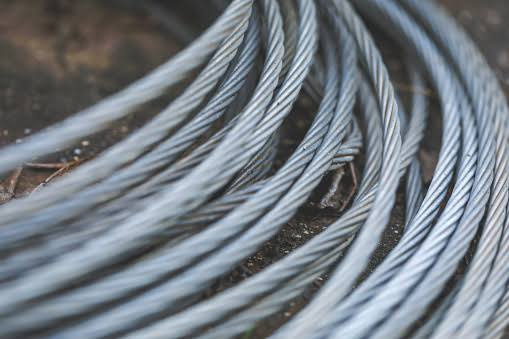
Southeast Asia is witnessing significant industrial development as governments strengthen infrastructure, expand manufacturing capabilities, and accelerate energy transition initiatives. These developments are increasing the need for lightweight, durable, and electrically conductive materials, positioning aluminum wire rods as an important component across several industrial applications.
From electricity transmission and automotive manufacturing to construction and renewable energy installations, aluminum wire rods are gaining importance throughout the region. According to Markntel Advisor, the Southeast Asia Aluminum Wire Rod industry was valued at USD 1.85 billion in 2025 and is projected to reach USD 3 billion by 2032, expanding at a CAGR of 6.73% during 2026–2032. This growth reflects increasing infrastructure investments, evolving industrial requirements, and the growing adoption of sustainable materials.
How Are Infrastructure Investments Increasing Aluminum Wire Rod Consumption?
Infrastructure modernization is creating substantial opportunities for aluminum wire rod manufacturers across Southeast Asia. Rapid urbanization and expanding industrial activities are increasing the need for dependable electricity distribution networks, transportation systems, commercial buildings, and industrial facilities.
Aluminum wire rods are increasingly preferred for electrical applications because they combine good conductivity with lightweight properties and comparatively lower installation costs than heavier alternatives. These characteristics make them suitable for applications requiring efficient electricity transmission and distribution.
Indonesia, Vietnam, Thailand, and the Philippines are continuing to develop electrification initiatives, industrial zones, and large-scale infrastructure projects. Such investments are strengthening procurement requirements for electrical conductors and supporting the regional aluminum processing industry.
Why Is Renewable Energy Expansion Creating New Opportunities?
The growing emphasis on renewable electricity generation is strengthening the requirement for reliable conductor materials throughout Southeast Asia. Solar installations, wind energy facilities, and grid modernization programs depend on efficient electrical networks to transport generated power across different locations.
Aluminum wire rods serve as an important raw material for manufacturing conductors and cables used in these applications. Their combination of electrical performance, reduced weight, and durability makes them suitable for supporting expanding energy infrastructure.
Manufacturers are also developing improved aluminum alloys with enhanced mechanical strength and electrical conductivity. These advancements help infrastructure developers improve network reliability while managing installation and operational expenses. Furthermore, government initiatives supporting renewable energy integration are encouraging additional investments in transmission and distribution infrastructure.
How Is Automotive Electrification Influencing Industry Demand?
The automotive sector represents another important area of opportunity for aluminum wire rod suppliers. Vehicle manufacturers are increasingly incorporating lightweight materials into vehicle designs to improve energy efficiency, reduce overall weight, and comply with evolving environmental requirements.
The expansion of electric vehicle production across Southeast Asia is creating additional applications for aluminum-based electrical components. Aluminum wire rods contribute to manufacturing vehicle wiring systems, battery connections, charging infrastructure, and various electronic assemblies.
As automotive companies strengthen their regional manufacturing capabilities and establish localized supply chains, demand for aluminum-based components is expected to receive further support. The increasing adoption of electric mobility is therefore creating additional opportunities for manufacturers supplying materials to the transportation industry.
What Manufacturing Advancements Are Improving Aluminum Wire Rod Quality?
Technological development is playing an important role in strengthening the production capabilities of aluminum wire rod manufacturers. Companies are investing in advanced casting and rolling equipment, automated production systems, and improved quality-control processes to achieve consistent product performance.
Digital monitoring and manufacturing automation are helping producers optimize operational efficiency, minimize material wastage, and maintain better control over production processes. These improvements also support the production of wire rods with consistent mechanical characteristics and superior surface quality.
In addition, manufacturers are focusing on customized aluminum alloys designed for specific industrial requirements. Improvements in corrosion resistance, mechanical strength, and electrical conductivity are expanding the suitability of aluminum wire rods across electrical infrastructure, transportation, and industrial equipment manufacturing.
How Is Regional Cooperation Strengthening Supply Chains?
Increasing economic integration among Southeast Asian countries is contributing to the development of interconnected manufacturing and distribution networks. Cross-border investments in industrial facilities, logistics infrastructure, and export-oriented production are improving opportunities for aluminum processing businesses.
Greater cooperation among ASEAN economies is also encouraging technology exchange, production specialization, and operational improvements. These developments are helping manufacturers strengthen supply chain capabilities and improve access to regional industrial customers.
As manufacturing relationships expand across national boundaries, aluminum wire rod producers can benefit from broader customer networks and increasing demand from domestic and international industries. Improved regional connectivity is also expected to contribute to greater supply chain resilience over the forecast period.
What Is the Future Outlook for Southeast Asia's Aluminum Wire Rod Industry?
Southeast Asia's aluminum wire rod industry is positioned for continued expansion as infrastructure modernization, renewable energy development, automotive electrification, and industrial manufacturing create additional material requirements.
With the industry projected to grow from USD 1.85 billion in 2025 to USD 3 billion by 2032, manufacturers are likely to benefit from sustained demand across electrical, transportation, construction, and industrial applications. Technological improvements in production processes and aluminum alloy development will further strengthen product quality and manufacturing efficiency.
Overall, increasing government investments, expanding industrial capabilities, and the transition toward energy-efficient infrastructure are establishing favorable conditions for long-term industry development. Aluminum wire rods are expected to remain an essential material in supporting Southeast Asia's industrial transformation throughout 2026–2032.

 Arabic
 French
 Spanish
 Portuguese
 Deutsch
 Turkish
 Dutch
 Italiano
 Russian
 Romaian
 Portuguese (Brazil)
 Greek
