


Smart Locker Systems for Modern Corporate Offices in UAE
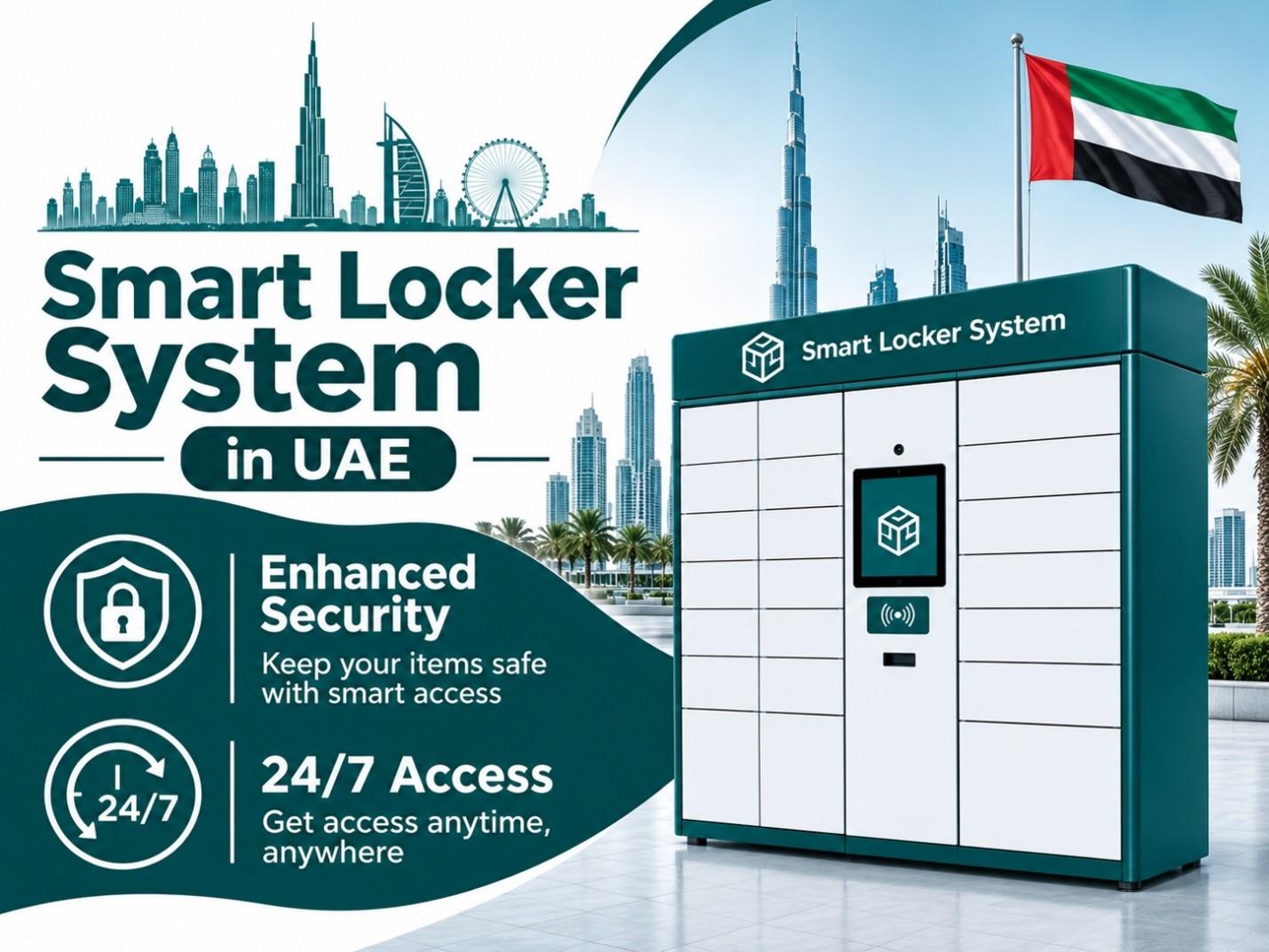
A modern Smart Locker System gives UAE corporate offices a tidy, secure way to store personal belongings, laptops, parcels, and shared equipment. Employees keep what they need close at hand, facilities teams stop chasing keys, and managers gain full records. This article explains how office lockers work, where they help most, and how to plan them well.
Part One: How Offices Have Changed
The office of today is not the office of ten years ago. Hybrid schedules, shared desks, and activity-based layouts mean that fewer people own a permanent desk, yet everyone still needs a safe place for a coat, a bag, a laptop, and personal items.
Traditional pedestals and metal cabinets with keys do not fit this pattern. Keys are lost, cabinets sit empty, and no one knows who used what. Offices need storage that can be assigned, shared, and released automatically.
Part Two: Who Uses Office Lockers
Employees on shared desks use lockers for daily storage, opening a door with a phone and releasing it at the end of the day. Visitors and contractors use them to leave bags and devices before entering secure areas, which also reduces risk to sensitive spaces.
IT teams use lockers to hand out laptops, chargers, and security tokens at any hour, with a full record of who holds each item. Mail rooms and reception teams use them for parcel collection, so couriers drop items off and staff collect them when it suits them.
Part Three: How an Office Locker Bank Works
Smart Locker Systems for Modern Corporate Offices combine strong doors, electronic locks, a central controller, and software that links them to phones, staff directories, and building systems. Banks of doors sit in lobbies, on each floor, or beside the IT desk, and every bank is managed from one dashboard.
The Hardware
An Electronic Locker System replaces mechanical keys with electronic locks and a touch screen or mobile link. Doors open only when a valid credential is shown, and sensors confirm whether a door is closed, so facilities teams always know the real status of every compartment.
The Credentials
A Digital Locker System gives each user a digital credential instead of a key. A QR code on a phone, a one-time code by message, or a mobile pass opens only the assigned door, and the credential expires automatically when the booking ends.
Face Recognition Locker Access adds a fast, touch free option for staff. An employee looks at the screen, the system matches the face to an enrolled record, and the right door opens. Clear consent rules and strong privacy controls protect the data.
Many facilities managers begin by studying flexible storage solutions for UAE corporate workplaces to see which setup suits their own floor plans.
The Brain
Locker Management Software controls every door and user. Administrators set rules, assign compartments, send alerts, and view usage by hour, floor, and door size. Cloud management lets a head office oversee many buildings without visiting each one.
The Platform
TekLocker brings the doors, the credentials, and the software together into one managed platform. It connects with staff directories, access control, and booking tools, so the right person receives the right credential automatically and removing a user closes their access at once.
Part Four: Designing for Modern Offices
A Locker System in an office should follow how people actually move. Place banks near entrances, lifts, and shared work areas, add a mix of compartment sizes for bags, laptops, and helmets, and use clear signs in Arabic and English so no one needs training to use them.
Think about wellbeing as well. Smooth, easy to clean surfaces, touch free opening by phone, and charging compartments for laptops and phones make the experience pleasant and support hygiene in shared spaces.
Include low units that wheelchair users can reach, and plan backup power so doors still open during outages. Good design is invisible when it works and unforgettable when it does not.
Part Five: Office Use Cases That Pay Back
Shared desk storage is the most visible benefit. A person books a locker with the desk, uses it for the day, and releases it on the way out. Facilities teams see which floors are busy and plan space accordingly.
Equipment handover saves hours of IT time. Laptops, tablets, and badges are collected from a door at any hour, returns are checked in with a scan, and overdue items raise an alert. Parcel lockers keep couriers away from the work floor and keep deliveries safe.
Visitor and contractor storage lower risk. Guests leave devices and bags before entering restricted zones, collect them on the way out, and every transaction is logged, which supports security reviews and audits.
Part Six: Security and Privacy Features
Strong steel or laminate panels, tamper alarms, and hidden hinges resist forced entry, while the controller logs every opening and every failed attempt. Repeated failures raise an alert so staff can respond before anything is lost.
Privacy matters just as much. Collect only the data that is needed, explain clearly how it is used, keep it for a limited period, and give users a simple way to withdraw consent. Encrypted storage and strict access rules protect records from misuse.
Part Seven: UAE Rules and Standards
Employee and visitor data is personal data. Federal Decree Law Number 45 of 2021 on personal data protection sets duties on consent, purpose, and storage, which matter especially for face recognition. The Telecommunications and Digital Government Regulatory Authority guides digital practice and cloud use.
Free zones such as the Dubai International Financial Centre and Abu Dhabi Global Market set their own data protection regimes, and Civil Defence sets rules for exits and fire safety. Suppliers with ISO 27001 aligned practices add confidence for corporate security teams.
Part Eight: Lockers Across the Emirates
A Smart Locker System UAE plan should work for every office in a portfolio, with shared policies, one credential style, and central reports. Companies can then compare sites on equal terms, train staff once, and move equipment between locations as needs change.
Smart Locker System Dubai projects often serve towers in the Dubai International Financial Centre, Business Bay, and Dubai Internet City. Dense occupancy, multinational teams, and high design expectations call for fast screens, multilingual support, and refined finishes.
Smart Locker System Abu Dhabi projects often serve offices on Al Maryah Island, in Masdar City, and across the capital. Government and financial clients bring strict security and audit expectations that shape the choice of features.
Part Nine: Cost and Return
Costs include doors, installation, software, and support. Returns come from several places: smaller space needs because shared storage replaces personal cabinets, less staff time spent on keys and parcels, fewer lost items, and better data for planning floors.
Compare total cost over five years and not only the purchase price. A well-chosen system with reliable hardware and good support often costs less over time than a cheaper unit that fails often and needs frequent visits.
Part Ten: Common Mistakes to Avoid
The most common mistake is too few doors for peak days, since many offices fill on Tuesdays and Wednesdays. Another is poor placement, with units hidden in corners where nobody looks, and a third is no named owner for the system.
Other mistakes include unclear signs, no rule for items left overnight, and no plan for power cuts. A short-written policy and a trained administrator prevent most of these problems.
Part Eleven: Care and Maintenance
Regular care keeps lockers dependable. Clean surfaces daily, test locks and sensors on a fixed schedule, replace worn parts early, and apply software updates outside working hours. Keep spare parts in the country so a fault is fixed in hours, not weeks.
Remote monitoring helps as well. The software reports offline doors, low batteries, and unusual activity, so the support team can act before employees notice a problem.
Part Twelve: Proof Points That Build Trust
Ask every supplier for a site survey, installation drawings, tested software, staff training, a privacy statement, and a support agreement with clear response times. Experience in offices, malls, airports, hospitals, and universities shows practical knowledge, and references from similar sites give extra confidence.
A short assessment is the best first step, and a workplace storage needs review in the UAE will show how many doors and which sizes are really needed.
Part Thirteen: Getting Started
List who needs storage, what they store, and when. Start with one floor and one-use case, such as shared desks or laptop handover, train staff, place clear signs, and track door usage, fault reports, and queue times for the first month.
Review results with facilities, IT, and security teams, adjust compartment sizes and rules, and expand to other floors and buildings once the first one runs smoothly. Steady improvement builds trust with employees and leadership.
Part Fourteen: Measuring Success
Choose a handful of numbers and report them monthly: share of doors in use, average storage time, fault reports, equipment handovers, and user satisfaction. Rising use and falling complaints show that the lockers are working for the business.
A modern Smart Locker System gives UAE offices tidier floors, happier employees, and safer storage. Smart Locker Systems for Modern Corporate Offices work best when every Locker System, whether an Electronic Locker System or a Digital Locker System, follows one design. TekLocker joins Face Recognition Locker Access and Locker Management Software into one platform that is easy to run. A planned Smart Locker System UAE rollout, including Smart Locker System Dubai and Smart Locker System Abu Dhabi offices, keeps records consistent and secure. Contact Tektronix today to arrange your office storage assessment.

 English
 Arabic
 French
 Spanish
 Portuguese
 Deutsch
 Turkish
 Dutch
 Italiano
 Russian
 Portuguese (Brazil)
 Greek
