


Kraft Boxes: What Most Buyers Get Wrong Before the First Quote
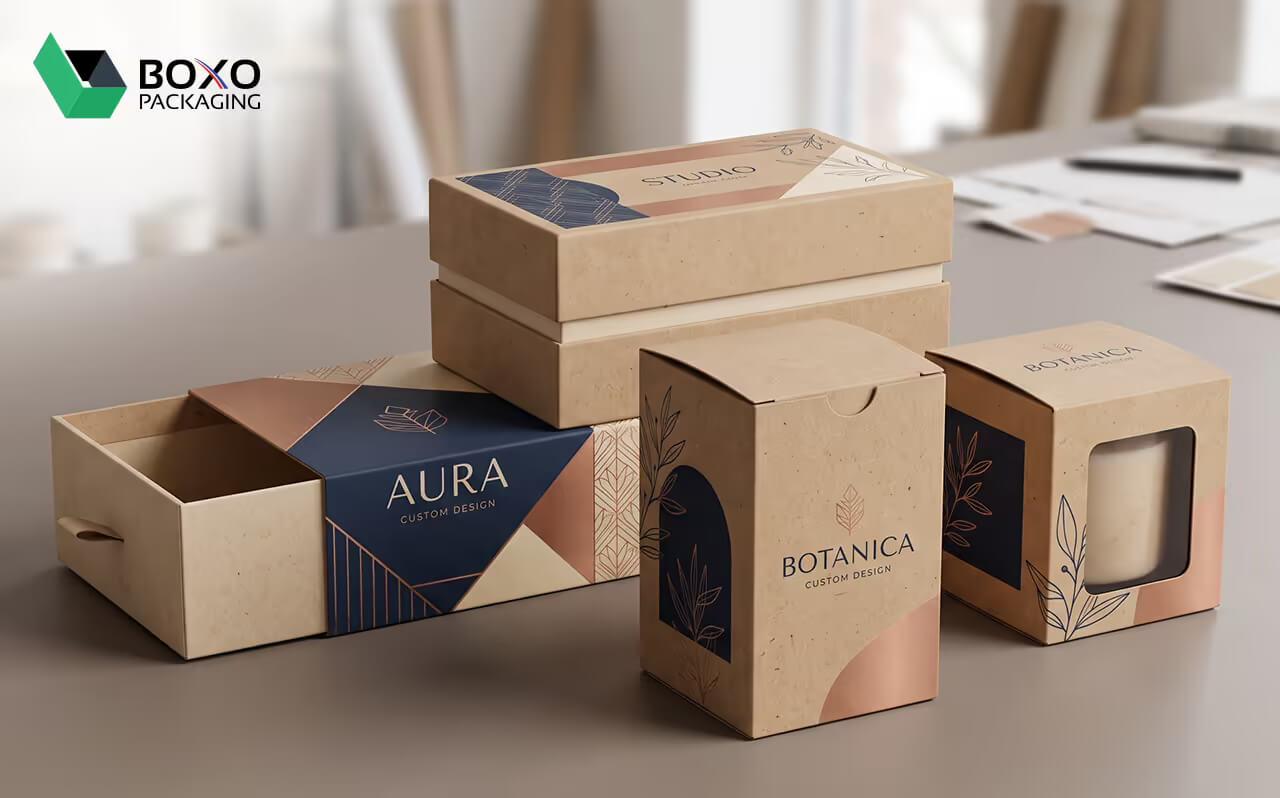
The most expensive mistake with brown cartons is usually made before a supplier is even contacted. Buyers pick a size from a mood board, assume the board will be strong enough and only find out otherwise when the sample is on the desk. Kraft boxes reward a little homework, because the material is forgiving on strength but fussy on colour and moisture. This guide covers board, styles, print and testing so you can brief a supplier clearly.
Mistake One: Choosing the Size Before the Product
Always measure the finished, packed product first and add only the clearance the box needs. A carton sized from a guess either rattles or forces a rushed redesign.
Include the cap, any wrap and the insert thickness in your measurements. Kraft walls are slightly thicker than they look in a flat drawing, so an internal size that works on paper can feel tight in real life. Give your supplier internal dimensions in millimetres and say whether tolerance matters.
Mistake Two: Treating Every Style as Interchangeable
Each structure suits a different job, so match the style to how the product travels and sells.
- Mailer box: Self locking and crush resistant, suited to online orders and subscriptions.
- Tuck end carton: Flat packed and economical, good for soaps, tea and small retail goods.
- Sleeve and tray set: A sliding outer over an inner base, suited to gift lines.
- Shipping carton: A plain corrugated outer for heavier goods, usually printed in one colour.
Inserts, dividers and window cut outs can be added to any of them, but each changes how the flat sheet folds, so settle the structure before artwork is placed.
Mistake Three: Expecting White Board Results on Brown
Kraft folding cartons usually sit between 250 and 350 GSM, and corrugated options use E flute for a finer printed face, B flute for crush resistance and double wall for heavy or stacked loads. The brown surface mutes ink, so bright colours turn duller and pale shades can disappear.
Dark, bold artwork works best, and a white ink underlay can lift detail for an extra cost. Flexographic printing with water based inks is common for larger runs, while digital printing suits short runs and several designs. Heavy lamination and foil can complicate recycling, so a matt varnish or uncoated finish often suits the material better.
Mistake Four: Approving a Sample Nobody Filled
At Boxo Packaging we hold off on recommending a board grade until we know what the product weighs, how big it is and where it will be sold, and a sample only proves anything when it is packed with the real thing.
Stack a few filled boxes, press the walls and open and close the lid repeatedly over several days. Kraft can soften in damp storage, so test somewhere close to your real warehouse. If the box touches food, request a declaration of compliance covering the board, any coating and the inks, in line with UK food contact rules.
Mistake Five: Ignoring the Cost and Footprint Trade Off
Kraft can cost less than a heavily finished white box, but heavier flutes add freight weight and thinner board risks crushing. FSC certified board gives a traceable fibre source, and a single material box without a plastic window is easier to recycle. Even so, avoid calling any box fully green, because every material carries some footprint.
Mistake Six: Rushing the Order Itself
Ask for a physical sample filled with real product, not a flat white mock up. Check the proof and the closure carefully, especially how the lid seats and whether tabs stay shut. Allow extra lead time, as production and freight can take several weeks. A reliable supplier will question your specification rather than simply accept it, and that pushback often prevents an expensive rerun.
Tray and Sleeve Packaging: Where a Sliding Box Earns Its Higher Price
A sleeve slides off, the tray is revealed and for a second the customer pauses. That small pause is the whole reason people pay more for this structure. Tray and sleeve packaging is a two part build, so the fit between the parts matters as much as the print on them. Too tight and the sleeve tears, too loose and it slips off in transit. This guide covers fit, board, print and testing so you can brief a supplier clearly.
How the Two Parts Work Together
A tray and sleeve box is a fixed base tray with a sliding outer wrap that holds it closed. The sleeve should glide with light friction, never grip hard and never fall away when tilted.
Because two parts must fit within a fraction of a millimetre, tolerance is the first thing to discuss. Board thickness adds up on both parts, so an internal size that looks right on a flat drawing can bind in real life. Ask your supplier what clearance they build in and whether it changes between board grades.
Where This Format Works Best
Choose the use first, because a late structural change means a new dieline and fresh proofs.
- Gift set box: A tray with a shaped insert and a printed sleeve, suited to cosmetics, candles and confectionery.
- Food tray and band: A shallow tray with a slim sleeve, often used for bakery, chocolates and sandwiches.
- Subscription box: A sturdy tray with a wrap that carries branding and instructions.
- Retail sleeve pack: A lighter tray with a full wrap, suited to stationery, accessories and small electronics.
Inserts, dividers, thumb notches and ribbon pulls can be added to most of these. Each addition changes how the flat sheet folds, so confirm the dieline before artwork is placed.
Board, Print and Finish Choices
Lighter trays and sleeves work well in folding carton at 300 to 400 GSM, often SBS board for a smooth, bright printed face. Kraft in the 250 to 350 GSM range gives a natural look, though colours print softer on it. Heavier gift sets or postal versions may move to corrugated, with E flute for a fine printed surface and B flute where stacking and weight demand more strength. Rigid greyboard trays are an option when the unboxing needs to feel premium.
Digital printing suits short runs and seasonal variants, while offset becomes more economical as quantities grow. Water based inks are a sensible default. Foil, embossing and soft touch lamination add polish, but laminate and foil can complicate recycling, so weigh the effect against disposal.
Testing the Slide Before You Approve
Before we suggest any board grade at Boxo Packaging, we ask what the product weighs, how big it is and where it will be sold. Those answers decide how firm the tray needs to be and how snug the sleeve should run.
Fill a sample with the real product and slide the sleeve on and off thirty or forty times. Look for scuffing on the printed face, fraying at the edges and a sleeve that loosens with use. Tilt the closed box and shake it gently. If the box holds food, ask for a declaration of compliance covering the board, any coating and the inks, in line with UK food contact rules.
Weighing Cost, Durability and Footprint
Two parts mean more board and more assembly, so the unit price sits above a simple tuck end carton. The extra strength and presentation can justify it for gifts and premium lines, but not always for everyday goods. FSC certified board gives a traceable fibre source, and a single material build is easier to recycle. Even so, avoid calling any box fully green, because every material carries some footprint.
Ordering Tips Before Production Begins
Ask for a physical sample filled with real product, not a flat white mock up, and check the sleeve fit on that exact sample. Check the proof and the closure carefully. Allow extra lead time, as production and freight can take several weeks, which matters before a gifting season. A reliable supplier will question your specification rather than simply accept it, and that pushback often saves a costly rerun.
That is how we work at Boxo Packaging, because fixing a problem early costs far less than a reprint, especially with tray and sleeve packaging.

 English
 Arabic
 French
 Spanish
 Portuguese
 Deutsch
 Turkish
 Dutch
 Italiano
 Russian
 Portuguese (Brazil)
 Greek
