


Protecting Critical Infrastructure with Data Center Security in Egypt
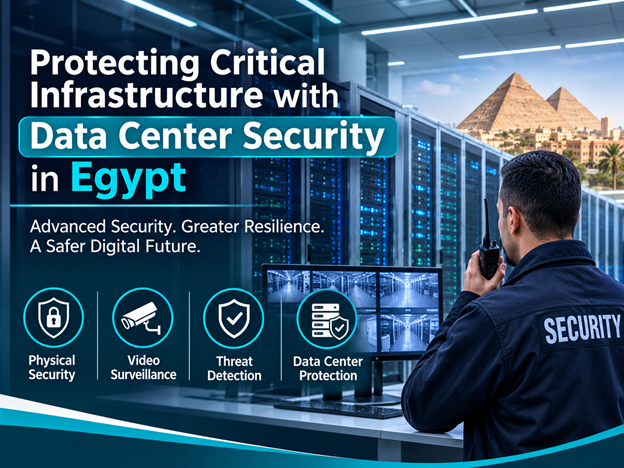
Data Center Security is now a matter of national resilience in Egypt, because banks, telecom networks, energy utilities, hospitals, and government portals depend on facilities that must never fail. This article explains which services count as critical, what each need from its facility, and how modern technology protects them.
Part One: What Counts as Critical
Critical infrastructure is any service whose failure would harm many people at once. In Egypt this includes payment systems, mobile and internet networks, power and water utilities, health records, and the digital services of the state under Egypt Vision 2030.
Each of these runs on servers in a few buildings. A fire, a flood, a power fault, or a cyber-attack at one facility can therefore reach millions of users, which is why protection must be planned as seriously as the service itself.
Part Two: What Each Critical Sector Needs
Banks and payment firms need constant availability and a clear audit trail. Telecom operators need resilience against network attacks. Utilities need protection for control systems, hospitals need privacy for patient records, and government bodies need sovereignty over citizen data.
These needs differ, but the answer is the same: layered technology, tested often, run by trained people, and supported by clear rules. The layers below form that answer.
Part Three: The Technology Layers
The Physical Eyes
Data Center Surveillance goes beyond recording. Thermal and low light cameras, analytics that notice loitering and tailgating, and plate recognition at gates feed one control room. Video is searchable by event, so investigators find an incident in minutes.
Watching the Network
Data Center Intrusion Detection inspects traffic and system activity for signs of attack. Network sensors catch scans and suspicious flows, while host agents notice unusual changes on servers, and alerts are ranked by risk so analysts start with the most dangerous events.
Spotting Danger Early
Data Center Threat Detection adds behaviour analysis to the picture. By learning what normal looks like for each user, server, and door, it flags stolen credentials, insider misuse, and slow data theft that older signature tools miss.
Operators who want to see how these tools fit together often start with layered protection options for Egyptian critical facilities before they plan upgrades.
Walls Inside the Network
Data Center Firewalls divide the network into zones, so an intruder who reaches one server cannot roam freely. Next generation firewalls inspect applications and users, and strict rules between zones keep management, customer, and storage systems apart.
Protecting the Data Itself
Data Center Encryption keeps information unreadable if a drive is stolen or a link is intercepted. Strong algorithms protect stored data and data in transit, while hardware security modules and careful key management make sure only authorized systems can unlock it.
The Control Room
Data Center Security Monitoring Systems collect events from doors, cameras, alarms, power, cooling, and networks into one view. Dashboards show health and risk at a glance, and physical and digital events appear on the same timeline.
Part Four: Automation Keeps Pace with Attackers
Data Center Security Automation turns routine steps into tested playbooks. When an alert appears, the system can isolate a server, disable a stolen account, lock a door, and open a ticket in seconds, while people review and decide the next move.
Automation also reduces mistakes. Patches, certificate renewals, access reviews, and backup checks run on schedule, and every automated action is logged for auditors. Start with low risk tasks and extend automation as trust grows.
People remain essential. Staff need training, clear escalation steps, and drills for intrusion, power loss, ransomware, and fire. Power and cooling resilience matter just as much in Egypt's hot climate, with duplicate feeds, tested generators, and efficient cooling.
Part Five: Egyptian Rules and Authorities
The Supreme Cybersecurity Council guides national cyber policy, and the Ministry of Communications and Information Technology leads digital transformation. The Information Technology Industry Development Agency supports the sector, and the National Telecom Regulatory Authority oversees networks and the national emergency response team.
The Personal Data Protection Law, Law Number 151 of 2020, sets duties for handling personal data, and Law Number 175 of 2018 addresses cybercrime. The Central Bank of Egypt and the Financial Regulatory Authority guide financial firms, and customers also look for ISO 27001, TIA 942, and Uptime tiers.
Part Six: Local Conditions Across Egypt
A Data Center Security Egypt strategy should apply the same tools, policies, and reports to every site, so national customers can audit one standard. Shared methods also let headquarters compare facilities and spot a weak site early.
Data Center Security Cairo projects often serve ministries, banks, and telecom carriers in Greater Cairo, Smart Village, and the New Administrative Capital. Dense demand and rapid growth call for scalable power, cooling, and cable management.
Data Center Security Alexandria projects are shaped by the port, trade routes, and the humid Mediterranean coast. Moisture and salt call for corrosion resistant equipment, sealed cable routes, and drainage that keeps water away from critical rooms.
Part Seven: Choosing and Testing Technology
Ask every supplier for a written site survey, tested integrations, commissioning records, staff training, and a support agreement with clear response times. References from banks, hospitals, and campuses bring practical lessons, and a visit to a working installation teaches more than a brochure.
Test what you buy. Run a simulated attack, pull a network cable, switch off a power feed, and walk through a monitored zone to see what happens. Record the result, fix the gaps, and repeat the test every quarter.
A short assessment is the best first step, and a facility review and protection roadmap in Egypt will show exactly where upgrades will matter most.
Part Eight: A Practical Roadmap
List the ten systems that would hurt most if lost and check who can reach them today. Close easy gaps first, such as unused accounts, shared passwords, and unlogged visits. Then add technology in stages, rehearse each change, and review response times every month.
Give every control a named owner, a regular check, and a clear escalation path. Track time to detect, time to contain, devices offline, and days since the last tested recovery, because numbers that improve show leaders the investment is working.
Finally, compare total cost over five years and not only the purchase price. Maintenance, licenses, updates, training, and response contracts often decide whether protection stays effective after the first year.
When you are ready to compare designs, explore complete protection planning for critical IT facilities and measure them against your current setup.
Conclusion
Data Center Security protects the services that Egypt cannot afford to lose. Data Center Security Automation and Data Center Security Monitoring Systems turn alerts into quick, recorded action. Data Center Threat Detection, Data Center Firewalls, and Data Center Intrusion Detection protect the network, while Data Center Encryption and Data Center Surveillance protect the data and the site. A planned Data Center Security Egypt roadmap, including Data Center Security Cairo and Data Center Security Alexandria sites, keeps services compliant and resilient, so contact Tektronix today to schedule your facility review.
FAQs
1. How does Data Center Intrusion Detection help analysts?
It inspects traffic and system activity for signs of attack and ranks alerts by risk, so the most dangerous events are handled first.
2. Why use Data Center Firewalls inside the network?
They divide the network into zones, so an intruder who reaches one server cannot roam freely.
3. What does Data Center Encryption protect?
It keeps stored data and traffic unreadable if a drive is stolen or a link is intercepted.
4. How does Data Center Threat Detection find hidden attacks?
It learns normal behaviour for users, servers, and doors, and flags stolen credentials, insider misuse, and slow data theft.
5. What should Data Center Security Alexandria projects plan for first?
Humidity and salt call for corrosion resistant equipment, sealed cable routes, and good drainage.

 English
 Arabic
 French
 Spanish
 Deutsch
 Turkish
 Dutch
 Italiano
 Russian
 Romaian
 Portuguese (Brazil)
 Greek
