


How Apparel Boxes and Shirt Boxes Enhance Clothing Packaging and Brand Presentation
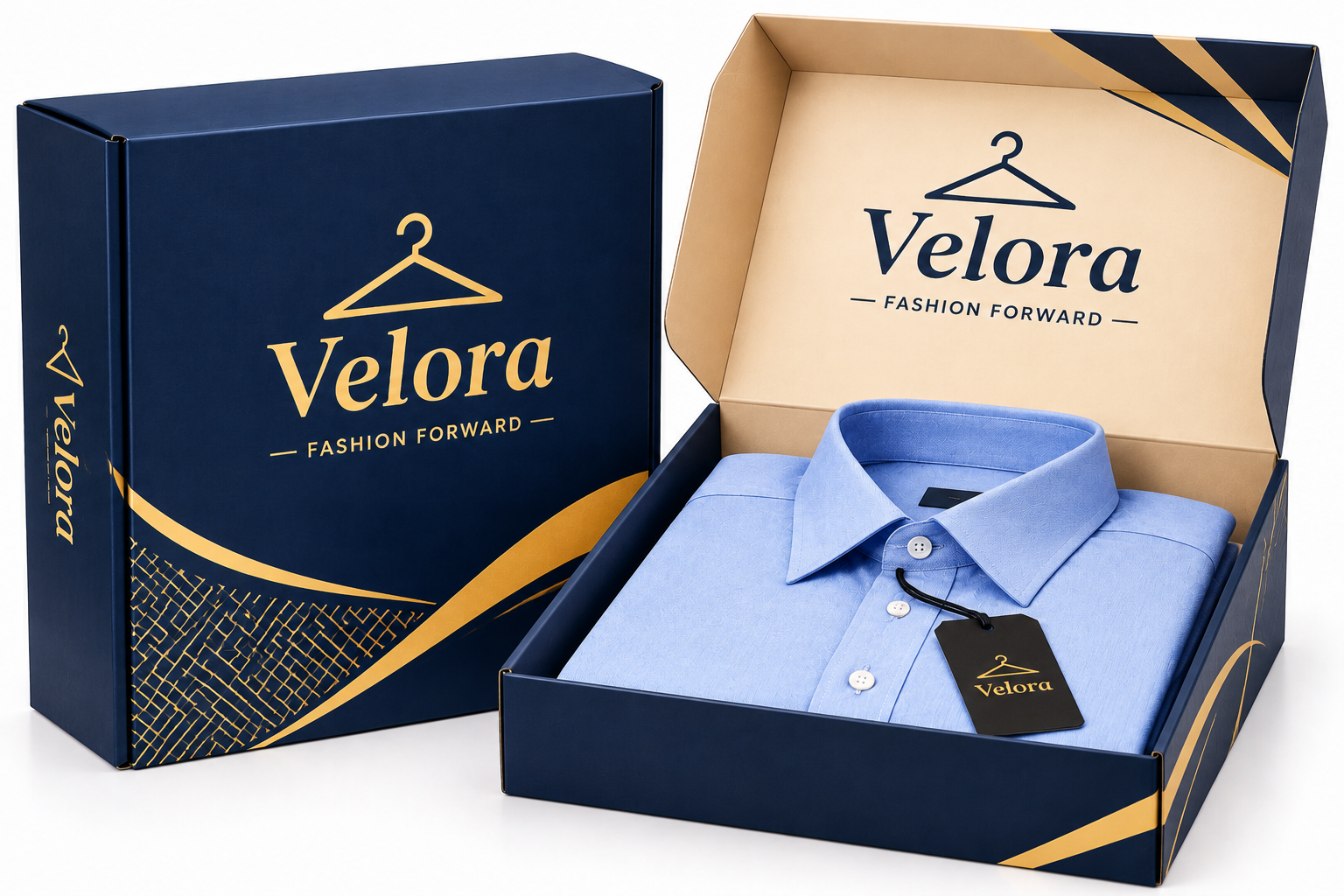
In the fashion industry, customers notice more than fabric quality, stitching, and clothing designs. The way garments are presented can influence purchasing decisions and shape how people remember a clothing brand. Whether someone purchases a formal shirt, casual outfit, or premium fashion accessory, a thoughtfully prepared order can create a positive first impression.
For clothing businesses, professional presentation involves balancing visual appeal with practical garment protection. Wrinkles, dust, unnecessary compression, and poor handling can affect how customers experience their purchases.
By choosing suitable presentation methods, maintaining consistent branding, and understanding different garment requirements, fashion retailers can improve customer satisfaction while creating stronger connections with their audiences.
Why Clothing Presentation Matters in Modern Retail
Customers frequently evaluate clothing before trying it on or examining its detailed features.
A neatly folded garment, organized display, and recognizable brand identity can communicate attention to detail.
For example, a premium menswear retailer may present formal shirts with structured collars and carefully aligned folds. A casual fashion store might prefer simpler arrangements that highlight fabric colors and textures.
The presentation should reflect the clothing category and customer expectations.
However, attractive visuals cannot compensate for poor garment quality or inaccurate product descriptions.
Successful retailers combine professional appearance with dependable products and helpful service.
How Apparel Boxes Support Clothing Brand Recognition
Fashion businesses need consistent identities to distinguish themselves in competitive retail markets.
Brands exploring Apparel Boxes can consider how logos, colors, typography, and surface finishes reflect their personality.
For example, a luxury fashion label may use neutral shades and elegant lettering, while a streetwear company could prefer bold illustrations.
The selected design should complement clothing labels, shopping bags, websites, and promotional materials.
Maintaining recognizable visual elements across different customer interactions strengthens brand familiarity.
Businesses should also ensure that decorative features do not interfere with convenient product handling.
A successful design communicates the company's identity while supporting everyday retail operations.
Why Shirt Boxes Require Careful Size Selection
Formal shirts have particular presentation requirements because their collars, cuffs, and front panels can lose their intended appearance when folded incorrectly.
Businesses evaluating Shirt Boxes should measure garments after applying their standard folding method.
A fitted dress shirt may occupy different dimensions from an oversized casual shirt.
Collar supports, folding boards, and suitable internal space can help maintain a neat appearance.
For example, a premium menswear business may use a folding board to create consistent dimensions across several shirt sizes.
Before purchasing large quantities, retailers should test actual garments inside samples.
Accurate measurements reduce unnecessary compression and support professional presentation.
How Thoughtful Packaging Protects Clothing Quality
Thoughtful packaging helps maintain garment condition during storage, retail handling, and transportation. Businesses should consider appropriate dimensions, material strength, secure closures, and fabric sensitivity when preparing clothing orders. Neatly arranged garments are less likely to experience unnecessary movement, while suitable protective layers may help reduce contact with dust and rough surfaces. Delicate fabrics, embroidery, and structured collars can require additional attention. The selected materials should also allow customers to remove their purchases conveniently without damaging the clothing. By balancing protection, practicality, and attractive presentation, retailers can create more dependable shopping experiences.
Understanding Different Fabric Protection Needs
Not every garment responds to folding and pressure in the same way.
Cotton shirts may develop creases after prolonged compression, while linen garments often wrinkle more easily.
Knitted clothing can lose its neat appearance when packed too tightly.
Delicate fabrics may also be vulnerable to snagging when placed alongside accessories with sharp edges.
Retailers should consider fabric characteristics before developing standard preparation procedures.
For example, a boutique selling silk scarves may use protective tissue to reduce unwanted contact with other items.
Suitable handling practices help maintain garment appearance and reduce customer complaints.
Choosing Appropriate Materials for Different Garments
Material selection influences appearance, durability, and cost.
Lightweight paperboard may be sufficient for certain retail applications, while stronger corrugated structures can support products exposed to more demanding handling conditions.
However, material thickness alone does not determine performance.
Board construction, closure design, and manufacturing quality also contribute to structural stability.
Businesses should compare physical samples and review supplier specifications before placing large orders.
A lightweight T-shirt may have different requirements from a heavy sweater or coordinated clothing collection.
Selecting materials according to actual merchandise helps avoid unnecessary expenses.
Creating a Premium Unboxing Experience
Online clothing customers often form their first physical impression of a brand when an order arrives.
A neatly arranged garment can communicate professionalism and attention to detail.
Retailers may include care instructions, a thank-you card, or clear return information.
For example, a formalwear brand could provide guidance about washing and ironing a particular shirt fabric.
Such additions offer practical value rather than decoration alone.
Customers should also be able to open their purchases without unnecessary difficulty.
An effective unboxing experience feels organized, convenient, and consistent with the company's identity.
Using Brand Colors and Typography Effectively
Visual consistency helps fashion businesses establish recognizable identities.
Colors, logos, and typography should reflect the style of clothing being sold.
A premium menswear retailer might choose navy blue and gold, while a contemporary fashion label may prefer monochrome designs.
However, overly complicated graphics can distract from the company name.
Simple branding often remains recognizable across different product sizes and retail environments.
Businesses should review printed samples because digital color previews may differ from finished materials.
Maintaining a balanced visual identity helps customers associate products with the brand.
Improving Clothing Presentation for Gift Purchases
Clothing is frequently purchased for birthdays, anniversaries, holidays, and professional celebrations.
Customers buying gifts often appreciate products that are ready to present without additional preparation.
Fashion retailers can offer coordinated presentation options and personalized greeting cards.
For example, a boutique may prepare a formal shirt with a matching accessory and a short appreciation message.
However, the arrangement should remain suitable for the garment.
Heavy decorative additions should not place unnecessary pressure on clothing.
Thoughtful gift services can improve convenience while creating memorable customer experiences.
Making Retail Storage and Order Preparation More Efficient
Efficient preparation is important for clothing businesses handling regular sales.
Employees should understand how to fold garments consistently and select suitable sizes.
Standardized procedures reduce confusion during busy shopping periods.
Retailers may also benefit from maintaining a limited range of dimensions rather than stocking numerous similar formats.
This approach can simplify inventory management and improve storage efficiency.
For online orders, clear preparation instructions help maintain consistency across employees.
Organized operations support faster fulfillment without sacrificing clothing presentation.
Avoiding Common Clothing Presentation Mistakes
One common mistake is choosing materials based entirely on appearance.
An attractive design may not provide suitable protection for delicate garments or structured shirts.
Another problem is using dimensions that do not match actual folded products.
Retailers should also avoid excessive compression when preparing orders.
Physical samples can reveal practical problems before larger purchases are made.
Businesses should inspect closure performance, material quality, print accuracy, and ease of garment removal.
Testing helps prevent avoidable expenses and improves customer satisfaction.
Balancing Presentation Quality With Business Costs
Fashion businesses must manage expenses while maintaining dependable product standards.
Material specifications, printing methods, decorative finishes, and order quantities influence production costs.
Premium designs may suit luxury collections, but everyday clothing products may require simpler solutions.
Retailers should compare supplier quotations and evaluate physical samples.
Bulk purchasing can reduce unit costs, although excessive inventory creates storage and financial challenges.
A practical approach focuses on features that improve garment protection, customer convenience, and brand recognition.
Building Customer Loyalty Through Consistent Quality
Customer loyalty develops through repeated positive shopping experiences.
Attractive presentation may create an encouraging first impression, but clothing quality, accurate sizing, and dependable service influence future purchases.
Businesses should review customer feedback about garment condition and order presentation.
Recurring complaints involving wrinkles or damaged collars may indicate a need to improve folding procedures.
Clear product information and responsive customer support also contribute to stronger relationships.
When customers associate a recognizable brand with reliable experiences, they may feel more confident making future purchases.
Conclusion
Professional clothing presentation helps fashion businesses communicate their identity while protecting garments and improving customer experiences.
Suitable materials, accurate dimensions, careful folding, and consistent visual design all contribute to a more dependable retail experience.
Businesses should evaluate actual garment requirements rather than selecting presentation solutions based only on appearance.
By combining thoughtful preparation with reliable clothing quality and customer-focused service, fashion retailers can strengthen brand recognition, encourage repeat purchases, and build lasting relationships.

 English
 Arabic
 French
 Spanish
 Portuguese
 Deutsch
 Turkish
 Dutch
 Italiano
 Russian
 Romaian
 Portuguese (Brazil)
