


How Daily Habits Can Improve Your Health and Well-Being
Health plays an important role in everyday life. The way I eat, sleep, exercise, and manage stress can influence how I feel throughout the day. Maintaining good health does not always require major lifestyle changes. Small, consistent habits can support physical fitness, mental well-being, and overall quality of life. Understanding basic health practices also helps people make better decisions about their daily routines.
I believe that building a healthy lifestyle starts with understanding personal needs and making realistic choices. Even when people have busy schedules, they can find simple ways to stay active, eat balanced meals, and maintain healthy routines. Just as people compare different products, such as a Mrkt Plce Vape, before making purchasing decisions, health-related choices also deserve careful consideration. Knowing what supports the body and what habits may affect it is an important part of making informed decisions.
1. Why Daily Habits Matter for Better Health
Daily habits influence how the body functions over time. Regular physical activity, balanced nutrition, sufficient sleep, and good hygiene all contribute to general health. These activities may seem simple, but following them consistently can make a meaningful difference.
A healthy routine does not need to be complicated. People can begin with manageable changes and gradually improve their lifestyle.
Some useful daily habits include:
-
Drinking enough water throughout the day.
-
Eating meals that include fruits, vegetables, and whole grains.
-
Walking or participating in regular physical activity.
-
Getting sufficient sleep each night.
-
Taking short breaks during long working hours.
-
Maintaining personal hygiene.
-
Limiting excessive consumption of sugary foods and drinks.
Consistency is more important than trying to change everything at once. For example, someone who spends most of the day sitting can start with a 15-minute walk. Over time, this activity can become part of a regular exercise routine.
2. Understanding the Importance of Balanced Nutrition
Food provides the energy and nutrients the body needs to function. A balanced diet supports growth, muscle development, digestion, and immune system function. However, eating healthy does not mean following a strict diet or avoiding every food that someone enjoys.
The goal is to include different food groups in appropriate amounts. Fruits and vegetables provide vitamins, minerals, and dietary fiber. Whole grains supply energy and fiber, while protein-rich foods help maintain and repair body tissues.
A balanced daily meal plan can include:
-
Fruits: Apples, bananas, oranges, and seasonal fruits.
-
Vegetables: Spinach, carrots, broccoli, and tomatoes.
-
Protein: Eggs, beans, lentils, fish, and lean meat.
-
Whole grains: Oats, brown rice, and whole-wheat bread.
-
Healthy fats: Nuts, seeds, and olive oil.
-
Dairy or alternatives: Milk, yogurt, and suitable fortified alternatives.
Hydration is another important part of nutrition. Water helps regulate body temperature, transport nutrients, and support normal bodily functions. Individual water requirements vary depending on activity levels, climate, and personal needs.
Planning meals ahead of time can also help people make better food choices. Preparing simple meals at home gives individuals more control over ingredients, portion sizes, and cooking methods.
3. Physical Activity and Its Role in Everyday Life
Exercise supports physical and mental health. Regular movement helps improve cardiovascular fitness, maintain muscle strength, support bone health, and manage body weight. It can also improve mood and help people manage everyday stress.
People do not always need a gym membership to remain active. Walking, cycling, swimming, dancing, and home workouts are practical ways to include exercise in a daily schedule.
For adults, general physical activity recommendations include:
-
At least 150 minutes of moderate-intensity aerobic activity each week.
-
Muscle-strengthening activities on two or more days each week.
-
Reducing long periods of uninterrupted sitting.
-
Choosing activities that match personal fitness levels.
-
Increasing exercise intensity gradually.
For someone with a busy work schedule, short activity sessions can be useful. A 10-minute walk in the morning, a short lunchtime walk, and another walk in the evening can help build an active routine.
It is also important to allow the body enough time to recover. Rest days, proper hydration, and suitable nutrition help support recovery after physical activity.
People who are new to exercise or have existing health concerns should consider professional guidance before starting an intensive fitness program.
4. Mental Health, Stress Management, and Emotional Balance
Mental health is an important part of overall well-being. It affects how people think, feel, communicate, and respond to everyday situations. Work responsibilities, financial concerns, family commitments, and lifestyle changes can sometimes create stress.
Managing stress does not mean avoiding every difficult situation. It means developing healthy ways to respond to challenges.
Several everyday practices can support emotional well-being:
-
Maintain social connections: Spend time with friends, family, and supportive people.
-
Practice relaxation: Try breathing exercises, meditation, or gentle stretching.
-
Enjoy hobbies: Reading, gardening, cooking, and listening to music can provide relaxation.
-
Manage screen time: Take regular breaks from phones and computers.
-
Create realistic goals: Divide large responsibilities into smaller tasks.
-
Get enough sleep: A consistent sleep routine can support emotional and cognitive health.
It is also important to recognize when stress becomes difficult to manage. Persistent sadness, anxiety, sleep problems, or changes in daily functioning may require support from a qualified mental health professional.
Taking care of mental health should be treated as a normal part of maintaining a healthy lifestyle.
5. Sleep, Hydration, and Preventive Healthcare
Sleep gives the body time to rest and recover. It supports memory, concentration, immune function, and emotional regulation. Adults generally need at least seven hours of sleep each night, although individual requirements can vary.
A regular bedtime routine can make it easier to maintain healthy sleep habits.
Some practical ways to improve sleep include:
-
Going to bed and waking up at consistent times.
-
Keeping the bedroom comfortable, quiet, and dark.
-
Avoiding heavy meals close to bedtime.
-
Limiting caffeine later in the day.
-
Reducing screen exposure before sleeping.
-
Including relaxing activities in the evening.
Hydration is equally important. Drinking water regularly supports digestion, circulation, and temperature regulation. People who exercise or spend time outdoors in hot weather may need additional fluids.
Preventive healthcare also plays an important role. Regular health checkups can help identify potential health concerns before they become more serious. Depending on age and individual circumstances, preventive care may include:
-
Blood pressure monitoring.
-
Recommended vaccinations.
-
Dental examinations.
-
Eye examinations.
-
Age-appropriate health screenings.
-
Discussions with healthcare professionals about personal health concerns.
People should follow medical advice based on their individual needs rather than relying entirely on online information.
6. Building a Sustainable and Healthy Lifestyle
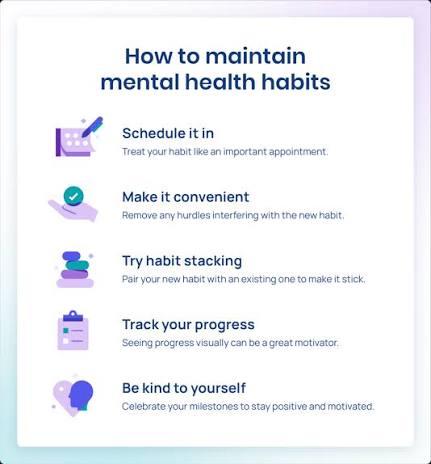
Maintaining good health is a long-term process. Many people begin with ambitious goals but find it difficult to maintain them because their routines are too demanding. A more practical approach is to make gradual changes that fit everyday responsibilities.
For example, someone who rarely exercises can begin by walking several times a week. A person who frequently skips breakfast can prepare a simple meal the night before. Small adjustments can gradually become lasting habits.
Here are some practical ways to build a sustainable routine:
-
Set achievable health goals.
-
Prepare balanced meals in advance.
-
Schedule physical activity during the week.
-
Maintain regular sleeping hours.
-
Make time for relaxation and social activities.
-
Avoid tobacco products and nicotine.
-
Limit alcohol consumption.
-
Seek professional advice when health concerns arise.
-
Review personal progress and adjust routines when necessary.
It is also helpful to understand that health looks different for everyone. Age, genetics, working conditions, environment, and personal circumstances can influence individual needs. Comparing personal progress with others is not always useful.
The most effective routine is one that can be maintained over time without creating unnecessary pressure. Learning about products and lifestyle choices is also part of making informed decisions. For readers researching consumer products, information about options such as MRKT PLCE FLAVORS should be considered separately from health guidance. These are vaping products, and vaping is not a healthy habit or a proven way to improve well-being. Avoiding nicotine and tobacco products is an important part of protecting long-term health.
Final Thoughts
Good health comes from a combination of daily choices, preventive care, physical activity, balanced nutrition, and mental well-being. I believe people can make meaningful improvements by focusing on small steps instead of expecting immediate results. Eating nutritious meals, staying active, getting enough sleep, and managing stress can support a healthier lifestyle. Making informed decisions also means understanding the potential health effects of everyday products. When discussing consumer categories such as MRKT PLCE NEAR ME, it is important to remember that vaping carries health risks and is not recommended as a healthy lifestyle choice. A consistent routine built around evidence-based health practices is a better foundation for long-term well-being.

 English
 Arabic
 French
 Spanish
 Portuguese
 Deutsch
 Turkish
 Italiano
 Russian
 Romaian
 Portuguese (Brazil)
 Greek
