


Does Chemical Peel Treatment Reduce Fine Lines?
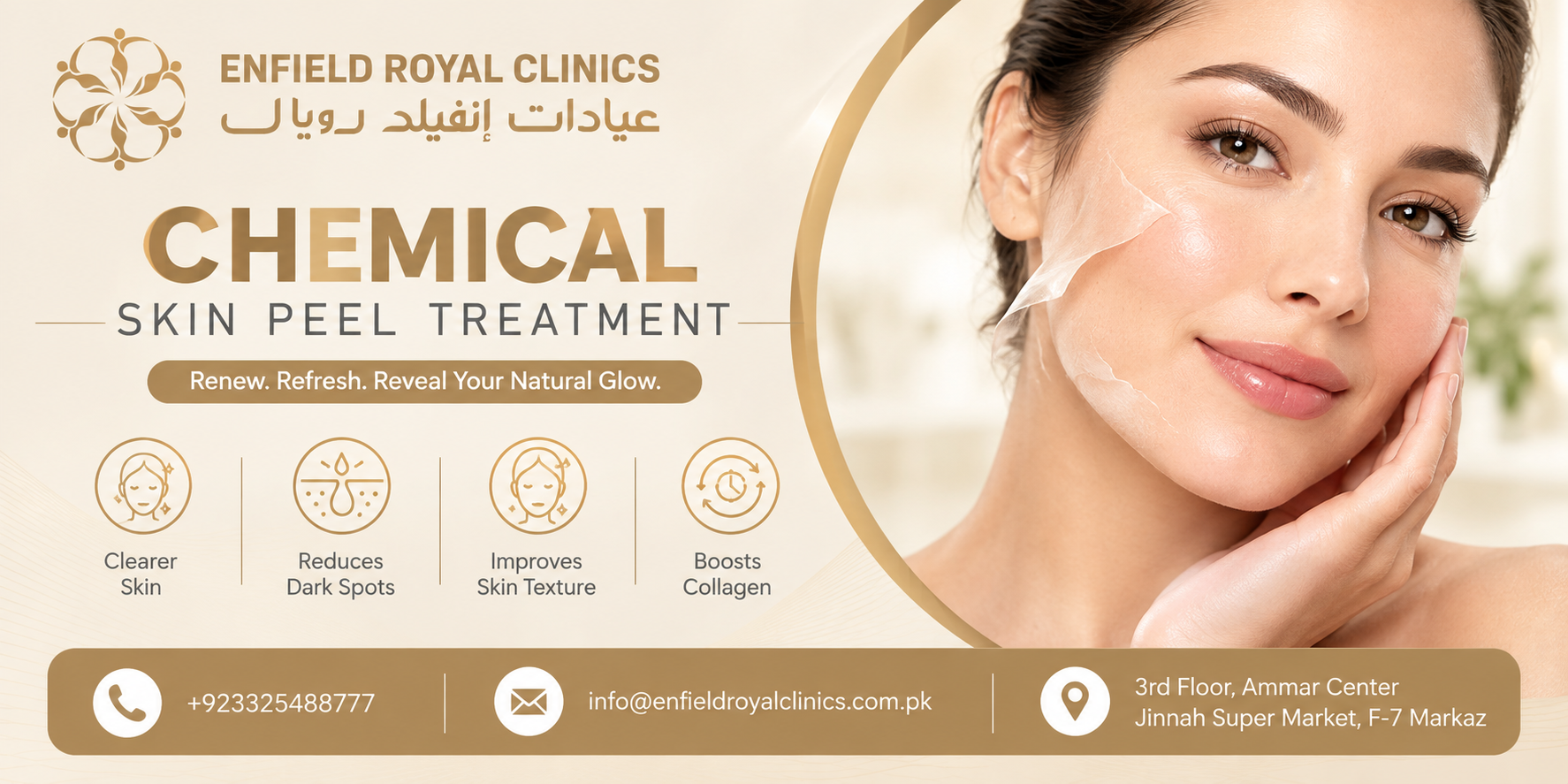
Fine lines are among the earliest visible signs of skin aging. They often appear around the eyes, forehead, mouth, and cheeks as the skin gradually loses some of its natural elasticity and moisture. Sun exposure, facial expressions, environmental pollution, and changes in collagen production can also make these lines more noticeable over time.
Many people explore non-surgical skincare treatments to improve their skin's texture and maintain a smoother appearance. Chemical peels are one option that may help reduce the appearance of certain fine lines. They work by exfoliating damaged surface cells and encouraging skin renewal.
Chemical peel treatment in Islamabad is considered by people who want to improve fine lines, dullness, uneven texture, and mild sun damage. However, the results depend on the depth of the peel, the condition of the skin, and the type of lines being treated. Understanding how the procedure works can help individuals decide whether it is suitable for their skincare goals.
1. What Causes Fine Lines to Develop?
Fine lines develop through a combination of natural aging and external influences. As the skin ages, collagen and elastin production gradually decreases. These proteins help maintain the skin's firmness, flexibility, and structure. When their levels decline, the skin may become thinner and less elastic.
Several factors can contribute to early fine lines:
-
Natural aging: The skin gradually loses collagen, elastin, and moisture with age.
-
Sun exposure: Ultraviolet radiation damages collagen and contributes to premature skin aging.
-
Repeated facial expressions: Smiling, squinting, and frowning can create expression lines over time.
-
Dehydration: Dry skin can make small lines appear more noticeable.
-
Smoking: Tobacco exposure can contribute to skin damage and premature wrinkles.
-
Environmental pollution: Oxidative stress from environmental factors may affect skin health.
Fine lines can appear at different ages depending on genetics, lifestyle, skin type, and sun protection habits. Some are mainly related to dryness, while others develop because of deeper structural changes.
Understanding the cause is important because a surface exfoliating treatment may improve some lines but cannot address every type of wrinkle.
2. How Does Chemical Peel Treatment Reduce Fine Lines?
A chemical peel uses a selected solution to exfoliate the skin in a controlled way. It loosens the bonds between dead skin cells, allowing the outer layer to shed gradually. This process reveals newer skin and can improve surface texture.
Chemical peels may reduce the appearance of fine lines through several effects.
Smoother skin texture: Removing accumulated dead cells can make rough areas look more refined. When the skin surface becomes smoother, shallow lines may appear less noticeable.
Improved surface renewal: Exfoliation encourages the skin's natural renewal process. This can help improve the appearance of mild sun damage and early aging changes.
Support for collagen remodeling: Certain medium-depth peels can stimulate changes in the skin's repair process, including collagen remodeling. The extent of this effect depends on the peel and treatment depth.
Reduction in dullness: A fresher surface can make the complexion appear healthier and more even, which may improve the overall appearance of aging skin.
The treatment is generally more effective for superficial fine lines than for deep wrinkles caused by significant collagen loss or repeated muscle movement. Results also develop as the skin recovers rather than appearing instantly.
3. Which Types of Chemical Peels Are Used for Fine Lines?
Different peel ingredients target different skin concerns. The appropriate formulation depends on the depth of the lines, skin sensitivity, pigmentation risk, and overall skin condition.
Glycolic acid peel: Glycolic acid is an alpha-hydroxy acid (AHA) that exfoliates the outer skin layer. It may help improve dullness, rough texture, and mild fine lines associated with surface changes.
Lactic acid peel: Lactic acid is another AHA that provides exfoliating benefits. It may be considered for people with dry or mildly sensitive skin who want to improve surface texture and brightness.
Mandelic acid peel: Mandelic acid penetrates more slowly than some smaller-molecule exfoliating acids. It may be considered for selected individuals with mild texture concerns or uneven skin tone.
TCA peel: Trichloroacetic acid (TCA) can be used in medium-depth peels to address more noticeable sun damage, pigmentation, and certain fine lines. It requires careful assessment because recovery and side-effect risks are greater than with many superficial peels.
A stronger peel is not automatically more effective or safer. The correct choice depends on the individual's skin characteristics and treatment goals. People with darker skin tones or a history of pigmentation changes may need additional precautions.
4. Which Areas of the Face Can Benefit from Chemical Peels?
Fine lines can develop in different facial areas, but not every area responds equally to chemical exfoliation. A professional assessment helps determine whether a peel is appropriate for the specific concern.
Common treatment areas include:
-
Forehead: Superficial lines and rough texture may improve with an appropriate peel.
-
Cheeks: Chemical exfoliation may help improve fine lines associated with sun damage and uneven texture.
-
Around the mouth: Selected superficial lines may appear softer after suitable treatment, although deeper expression lines may need another approach.
-
Under-eye area: This region has delicate skin and requires particular caution. Many chemical peels are unsuitable for direct application close to the eyes.
-
Chin: Surface roughness and mild texture changes may improve with carefully selected exfoliation.
Chemical peels are not designed to treat every expression line. Lines caused by repeated muscle movement, such as certain forehead and crow's-feet wrinkles, may respond better to other treatments. The appropriate option depends on whether the lines are caused by surface damage, volume loss, or muscle activity.
5. What Happens During a Chemical Peel Session?
Before treatment, the skin is assessed to identify its type, sensitivity, and specific concerns. The practitioner also reviews the person's medical history, skincare routine, medication use, and previous cosmetic procedures.
A typical session may involve these steps:
-
Cleansing: The skin is cleaned to remove makeup, oil, and surface impurities.
-
Preparation: A suitable preparation solution may be applied to support even treatment.
-
Peel application: The selected chemical solution is carefully applied to the intended area.
-
Monitoring: The skin's response is observed throughout the procedure.
-
Removal or neutralization: Depending on the formulation, the peel is removed or neutralized.
-
Aftercare: Suitable soothing products and sun protection are applied.
Some people experience mild tingling, warmth, or temporary redness. The sensation and recovery period depend on the peel's strength and depth.
Superficial peels generally involve less downtime than medium-depth treatments. Deeper procedures require more recovery and careful follow-up.
6. How Long Do Results Last, and What Aftercare Is Needed?
The improvement from a chemical peel varies from person to person. Some individuals notice smoother-looking skin after recovery from a superficial peel, while others may need a series of treatments to improve persistent texture concerns.
Results are not permanent because the natural aging process continues. Sun exposure and lifestyle factors can also contribute to the development of new fine lines.
Good aftercare helps protect the skin and maintain improvements:
-
Apply broad-spectrum sunscreen with SPF 30 or higher every day.
-
Avoid direct sun exposure during recovery.
-
Use a gentle cleanser and a suitable moisturizer.
-
Avoid scrubbing or picking peeling skin.
-
Pause retinoids, exfoliating acids, and other irritating products until advised to restart them.
-
Follow the recommended recovery instructions.
-
Avoid additional aggressive facial treatments until the skin has healed.
Temporary dryness, redness, sensitivity, and flaking may occur. More serious complications can include prolonged irritation, infection, scarring, and changes in skin pigmentation. Severe pain, blistering, or worsening swelling should be assessed by a healthcare professional.
For more information visit Enfield royal clinic in islamabad
Frequently Asked Questions
1. Can chemical peel treatment completely remove fine lines?
Chemical peels may soften the appearance of superficial fine lines, but they cannot completely remove every wrinkle. Deeper lines caused by muscle movement, significant collagen loss, or skin laxity may require different treatments.
2. How many chemical peel sessions are needed for fine lines?
The number of sessions depends on the peel type and the condition being treated. Some people notice improvement after one superficial peel, while others may benefit from multiple sessions spaced several weeks apart.
3. Is chemical peel treatment painful?
Most superficial peels cause mild tingling, warmth, or temporary stinging rather than significant pain. Stronger peels may cause more discomfort and require a longer recovery period.
4. At what age can someone consider a chemical peel for fine lines?
There is no single age at which everyone should begin chemical peels. Suitability depends on the person's skin condition, concerns, medical history, and treatment goals rather than age alone.
5. Can chemical peels help with wrinkles around the eyes?
Some treatments may improve superficial skin texture around the eye area, but the skin is particularly delicate. Many peels are unsuitable close to the eyes, so a professional assessment is essential.
6. Does chemical peel treatment make skin look younger?
By improving surface texture, dullness, and selected fine lines, a chemical peel may create a fresher appearance. However, it does not stop aging or replace treatments designed for deeper wrinkles and skin laxity.
Conclusion
Chemical peel treatment can help reduce the appearance of certain fine lines by exfoliating dead skin cells, improving surface texture, and supporting skin renewal. It may be especially useful for early signs of aging, mild sun damage, and rough or dull skin. However, deeper wrinkles and expression lines may need other treatment options.
People considering Chemical peel treatment in Islamabad should begin with a professional skin assessment to identify the cause of their fine lines and select an appropriate peel. A suitable treatment plan, realistic expectations, and consistent sun protection can help maintain smoother, healthier-looking skin.

 English
 Arabic
 French
 Portuguese
 Deutsch
 Turkish
 Dutch
 Italiano
 Russian
 Romaian
 Portuguese (Brazil)
 Greek
