


Abdominoplasty Dubai: How Does Previous Pregnancy Influence Tummy Tuck Planning?
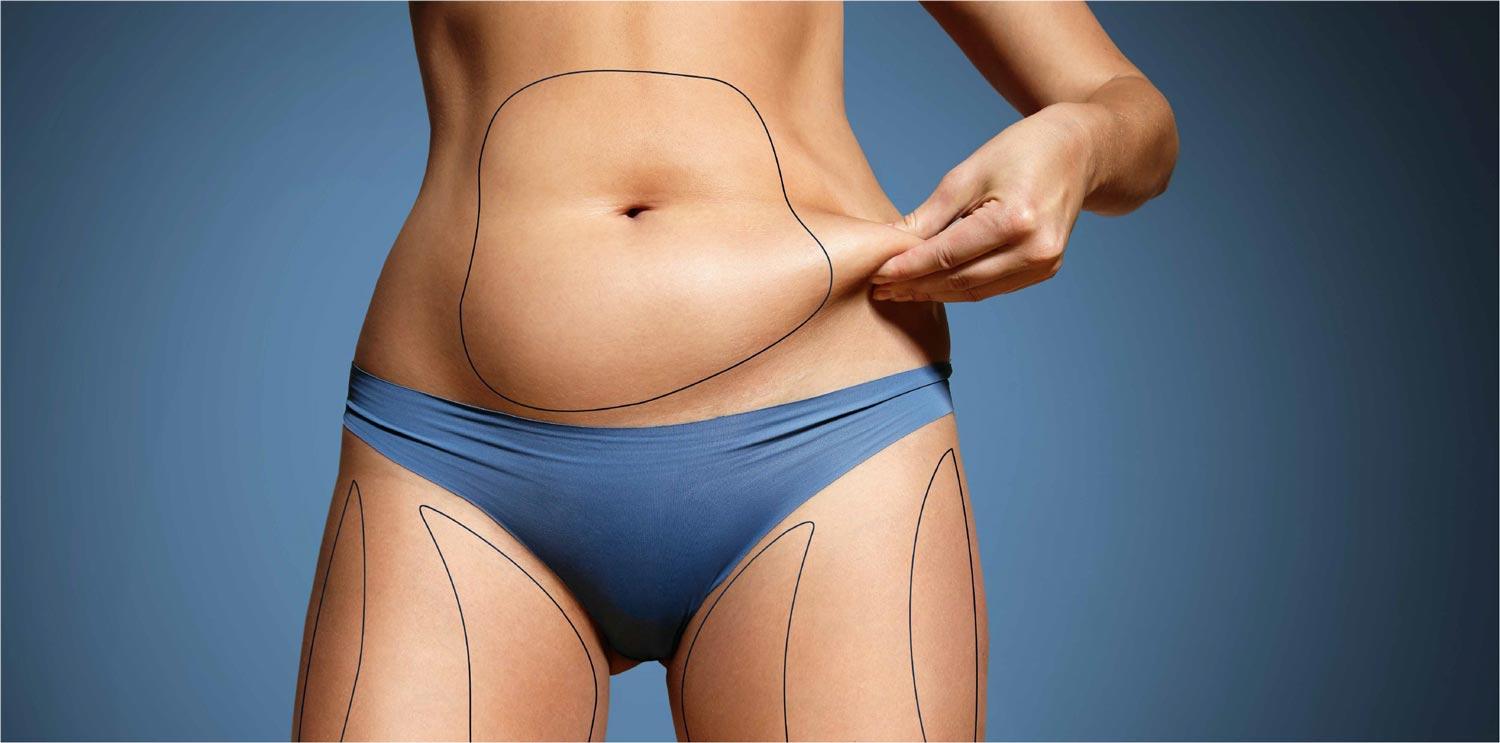
Pregnancy is a significant physical experience that can bring lasting changes to a woman's abdominal area. Even after childbirth and returning close to a previous body weight, some women notice that their stomach does not regain its former shape. Loose skin, stretched abdominal muscles, stubborn fat deposits and changes around the belly button can remain despite regular exercise and a balanced diet.
For women considering cosmetic abdominal surgery, understanding how previous pregnancies influence surgical planning is an important first step. Pregnancy affects each woman's body differently, meaning that a tummy tuck procedure should be planned according to individual anatomy, skin condition, muscle separation and personal goals.
When considering Abdominoplasty dubai, a detailed consultation helps determine which surgical approach may provide the most appropriate improvement. The number of pregnancies, previous caesarean deliveries, abdominal muscle changes and plans for future pregnancies can all influence the treatment strategy.
How Does Pregnancy Change the Abdominal Area?
During pregnancy, the abdomen expands to accommodate the growing baby. The skin stretches gradually, while the abdominal muscles and surrounding connective tissues adapt to increasing pressure. Although many of these changes improve naturally after childbirth, some alterations may remain.
One of the most noticeable changes is reduced skin elasticity. When the abdominal skin stretches beyond its ability to retract fully, excess skin may remain around the lower stomach. This can create folds or a hanging appearance that does not respond significantly to weight loss.
Pregnancy can also affect the abdominal muscles. The two vertical muscles running along the front of the abdomen may separate as the uterus expands. This condition is known as diastasis recti. It can contribute to a protruding abdominal appearance, even when a woman has relatively little excess fat.
Other changes may include:
- Stretch marks, particularly around the lower abdomen.
- Reduced firmness and elasticity of abdominal skin.
- Persistent fat deposits around the waist and stomach.
- Changes in the position or appearance of the belly button.
- A wider or less defined abdominal contour.
These changes are important considerations because a tummy tuck is designed to address specific structural and cosmetic concerns rather than simply remove abdominal fat.
Why the Number of Previous Pregnancies Matters
The number of pregnancies can influence the condition of abdominal skin, muscles and connective tissues. However, having multiple pregnancies does not automatically mean that a woman requires a more extensive tummy tuck.
With each pregnancy, the abdominal tissues may experience additional stretching. Some women regain considerable skin firmness after their first pregnancy, while others experience more noticeable changes. Multiple pregnancies can make it more difficult for stretched skin and connective tissues to return to their previous condition.
During a consultation, the surgeon may assess:
- The amount and location of excess abdominal skin.
- The degree of abdominal muscle separation.
- The distribution of remaining fat deposits.
- The position of the natural waistline.
- The overall condition of the abdominal wall.
The purpose of this assessment is to understand how pregnancy has changed the abdominal structure and which surgical techniques may address those changes.
A woman who has had three pregnancies may require a different surgical approach from someone who has had one pregnancy but developed significant muscle separation. Therefore, surgical planning should be based on physical examination rather than pregnancy history alone.
Understanding Diastasis Recti After Pregnancy
Diastasis recti is one of the most important factors considered when planning a tummy tuck after pregnancy. It occurs when the connective tissue between the two rectus abdominis muscles becomes stretched, allowing the muscles to move further apart.
This separation can create a rounded or protruding stomach appearance. Some women notice that their abdomen still looks pregnant months or even years after childbirth, despite losing pregnancy-related weight.
Exercise may help improve core strength and abdominal function, but it does not always restore the original position of significantly separated muscles.
When muscle separation is present, the surgeon may recommend a tummy tuck that includes muscle repair, also known as abdominal plication. During this procedure, the separated muscles are brought closer together and secured with sutures to improve abdominal support and contour.
The suitability of muscle repair depends on the patient's anatomy, the degree of separation and the overall surgical assessment. Not every woman who has experienced pregnancy requires this additional step.
How Loose Skin Influences Tummy Tuck Planning
Excess skin is another common concern following pregnancy. The skin stretches as the abdomen expands, and its ability to return to its previous shape depends on several factors, including genetics, age, skin elasticity and the extent of stretching.
Women may experience loose skin mainly below the belly button, while others develop excess skin across the entire abdomen. The amount of remaining skin also influences the incision placement and the extent of tissue removal.
A full tummy tuck may be considered when excess skin affects both the upper and lower abdomen. This approach generally involves removing unwanted skin, repositioning the belly button and addressing abdominal muscle separation when appropriate.
For women with a smaller amount of loose skin concentrated below the belly button, a mini tummy tuck may be an option. This procedure is more limited and is not suitable for everyone, particularly when significant upper abdominal skin laxity or muscle separation is present.
The surgeon evaluates skin quality, tissue distribution and abdominal proportions before recommending the appropriate technique.
Does a Previous Caesarean Section Affect Tummy Tuck Surgery?
A previous caesarean section is an important part of the patient's surgical history. Although many women who have undergone a C-section can be suitable candidates for abdominoplasty, existing scars and tissue changes need to be considered.
A caesarean incision is generally located across the lower abdomen. During a tummy tuck, the surgeon may be able to remove the existing scar along with excess skin, depending on its position and the amount of tissue being removed.
However, previous surgery can affect the condition of the underlying tissues. Scar tissue may influence how the skin moves, how the incision is planned and how the abdominal area is assessed.
The surgeon may examine:
- The location and length of the previous C-section scar.
- Whether the scar is raised, indented or attached to deeper tissue.
- The amount of loose skin surrounding the incision.
- The condition of the abdominal wall.
- Any previous abdominal surgical procedures.
Sharing an accurate surgical history allows the surgeon to develop a more appropriate treatment plan and discuss realistic expectations.
When Is the Right Time to Have a Tummy Tuck After Pregnancy?
Timing is an important consideration when planning abdominoplasty after childbirth. The body requires time to recover from pregnancy, and abdominal tissues may continue changing during the months following delivery.
In general, surgeons recommend waiting until the body has sufficiently recovered and weight has stabilised before considering elective tummy tuck surgery. Many women are advised to wait at least six months after childbirth, although the appropriate timeframe varies according to individual circumstances.
Breastfeeding is another factor that should be discussed during consultation. Patients are generally advised to wait until breastfeeding has finished and their body has stabilised before proceeding with elective surgery.
It is also important to consider future family plans. Another pregnancy can stretch the abdominal skin and muscles again, potentially affecting the results of a previous tummy tuck.
For this reason, women who are planning additional pregnancies are often advised to postpone surgery until they have completed their families.
How Future Pregnancy Plans Influence Surgical Decisions
A tummy tuck can improve abdominal contours by removing excess skin and tightening separated muscles. However, the procedure does not prevent future pregnancy-related stretching.
If a woman becomes pregnant after abdominoplasty, the abdominal tissues will expand again to accommodate the growing baby. This may reduce the cosmetic improvements achieved through surgery.
Future pregnancy plans therefore play an important role during the initial consultation.
The surgeon may discuss whether postponing surgery would be more appropriate, particularly when the patient expects to have another child within the near future.
Women who have completed their families may find it easier to maintain their surgical results because the abdomen is less likely to undergo another major pregnancy-related change.
The final decision should take into account personal circumstances, health considerations and long-term aesthetic goals.
How Liposuction May Be Combined with Abdominoplasty
Pregnancy can change fat distribution around the abdomen, waist and flanks. Even after returning to a stable weight, some women continue to notice localised fat deposits that affect their overall body shape.
Abdominoplasty primarily addresses excess skin and, when indicated, separated abdominal muscles. Liposuction focuses on removing selected fat deposits to improve body contours.
In suitable patients, liposuction may be combined with a tummy tuck to address areas such as the waistline and flanks. The purpose is to create a more balanced abdominal silhouette rather than focus exclusively on the front of the stomach.
However, the combination depends on individual anatomy, skin quality and surgical considerations. Not every patient requires liposuction, and it should not be considered a substitute for removing significant loose skin.
A personalised assessment helps determine whether combining these procedures is appropriate.
What Should Be Discussed During an Abdominoplasty Consultation?
A detailed consultation helps the surgeon understand how pregnancy has affected the patient's body and what improvements she hopes to achieve.
Rather than selecting a surgical technique based only on the number of previous pregnancies, the surgeon evaluates the abdomen as a whole.
Important discussion points include:
- Pregnancy history and the time elapsed since the last delivery.
- Previous caesarean sections or abdominal operations.
- Current body weight and weight stability.
- Abdominal muscle separation and skin elasticity.
- Breastfeeding status and future pregnancy plans.
- Desired improvements in abdominal shape and waist definition.
- Personal expectations regarding surgical outcomes.
Patients should also discuss the expected recovery period, incision placement, aftercare and the overall treatment plan.
This consultation-based approach helps establish realistic expectations and ensures that the proposed procedure addresses the patient's actual concerns.
Understanding Abdominoplasty Cost in Dubai
The cost of a tummy tuck can vary depending on the complexity of the procedure and the individual treatment plan. Previous pregnancy may influence the amount of skin removal, whether muscle repair is required and whether liposuction is recommended.
Other factors can include the surgeon's experience, hospital or surgical facility fees, anaesthesia and postoperative care.
Patients researching Abdominoplasty Cost in dubai should understand that the final price cannot be determined accurately without an individual assessment.
A mini tummy tuck may involve a different surgical plan from a full abdominoplasty with muscle repair and additional contouring. Therefore, comparing prices without considering the procedures included may not provide a complete picture.
During consultation, patients should request a clear explanation of the recommended technique, what the quoted cost includes and any additional appointments or aftercare requirements.
Conclusion
Previous pregnancy can influence tummy tuck planning in several ways, including changes to abdominal skin elasticity, muscle separation, fat distribution and existing surgical scars. However, every woman's body responds differently to pregnancy, so the number of children alone does not determine the most appropriate procedure.
A personalised assessment helps establish whether a full tummy tuck, mini tummy tuck, muscle repair or a combination with liposuction may be suitable. Timing, stable body weight, breastfeeding and future pregnancy plans should also be considered before surgery.
For women exploring Abdominoplasty dubai, a professional consultation at Cornerstone Clinic can help clarify the available treatment approaches and develop a plan based on individual anatomy and aesthetic goals. Understanding these factors allows patients to make informed decisions about abdominal contouring and choose an approach that aligns with their long-term expectations.
Frequently Asked Questions
1. Can I have a tummy tuck after multiple pregnancies?
Yes, women who have experienced multiple pregnancies may be suitable candidates for a tummy tuck. The surgeon assesses excess skin, muscle separation, abdominal tissue quality and general health before recommending an appropriate procedure.
2. Does pregnancy always cause abdominal muscle separation?
No. Although pregnancy can stretch the connective tissue between the abdominal muscles, the degree of separation varies between individuals. Some women experience significant diastasis recti, while others have minimal muscle changes.
3. How long should I wait after childbirth before having a tummy tuck?
Many surgeons recommend waiting at least six months after childbirth, although individual recovery varies. Weight stability, tissue recovery and breastfeeding status should also be considered before scheduling surgery.
4. Can a tummy tuck repair muscles separated during pregnancy?
Yes. When appropriate, a tummy tuck can include abdominal muscle repair through a technique called muscle plication. This brings separated muscles closer together and can improve abdominal contour and support.
5. Can I have a tummy tuck after a caesarean section?
Yes, many women with a previous C-section can undergo abdominoplasty. The surgeon evaluates the existing scar, underlying tissues and abdominal skin before deciding how to plan the procedure.
6. Will another pregnancy affect my tummy tuck results?
Another pregnancy can stretch the abdominal skin and muscles again, potentially changing the results of surgery. Women planning additional pregnancies are generally encouraged to postpone abdominoplasty until they have completed their families.
7. Is a mini tummy tuck suitable after pregnancy?
A mini tummy tuck may be suitable for women with limited excess skin below the belly button and minimal upper abdominal concerns. Significant muscle separation or loose skin across the entire abdomen may require a different approach.
8. Can liposuction be combined with a tummy tuck after pregnancy?
In selected patients, liposuction can be combined with abdominoplasty to improve contour around the waist and flanks. Suitability depends on skin quality, fat distribution and the overall surgical plan.
9. Does the number of pregnancies determine the cost of abdominoplasty?
No. The cost depends more on the complexity of the required procedure, the amount of skin removal, whether muscle repair is needed and whether additional contouring techniques are included.
10. How can I determine which tummy tuck procedure is right for me?
A consultation with an experienced plastic surgeon is the best way to determine the appropriate approach. The assessment should include abdominal skin, muscle condition, previous surgeries, current weight and future pregnancy plans.

 English
 Arabic
 French
 Spanish
 Portuguese
 Deutsch
 Turkish
 Dutch
 Italiano
 Russian
 Romaian
 Portuguese (Brazil)
