


How Can Lighting Design Change the Atmosphere of a Corporate Event?
Introduction
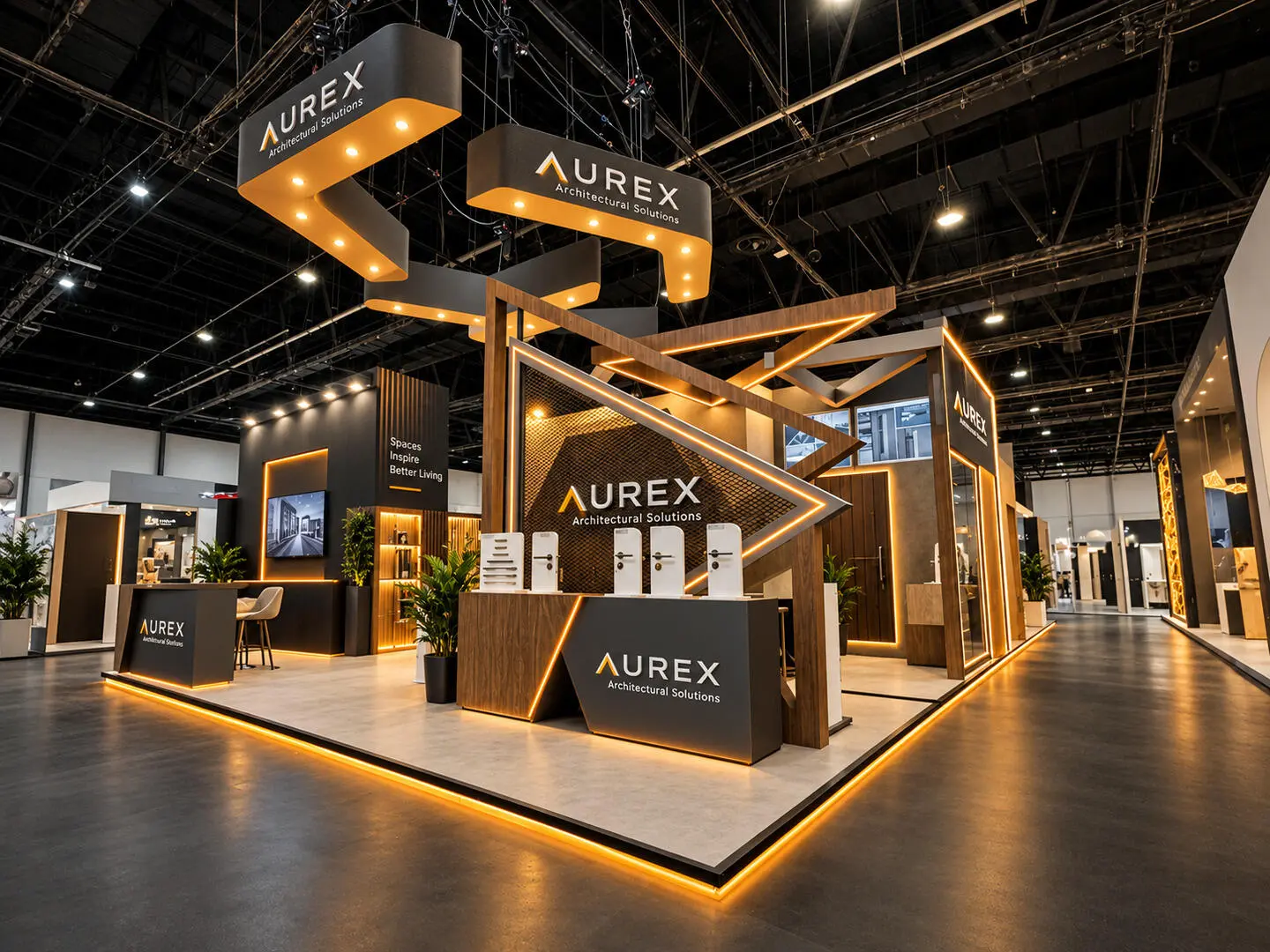
Lighting design influences how attendees experience a corporate event. It affects visibility, stage presentation, visual focus, and the atmosphere of the venue. A well-planned lighting arrangement can make a conference feel professional, a gala dinner feel formal, and a product launch feel more dynamic.
The right approach depends on the event's purpose, venue conditions, stage design, and programme. Organisers should plan lighting alongside the event layout rather than treating it as a final decorative addition.
Match Lighting Design With the Event's Purpose
Every corporate event has a different atmosphere and communication objective. A business conference needs clear lighting for speakers and presentations, while an awards ceremony may require focused stage lighting and visual effects.
A projection mapping company dubai may support events that use projected visuals to transform stage surfaces or venue structures. However, projection mapping should be selected according to the venue, surface conditions, content, and technical requirements.
Lighting decisions should begin with the event's main purpose. Consider whether the priority is audience visibility, speaker focus, brand presentation, entertainment, or a combination of these objectives.
Use Lighting to Create Visual Focus
Lighting helps guide audience attention towards important areas. Stage lighting can highlight speakers, presenters, performers, and product displays while reducing distractions elsewhere in the venue.
Organisers can use different lighting techniques for specific purposes:
| Lighting Technique | Typical Purpose |
|---|---|
| Front lighting | Keeps speakers and presenters visible |
| Wash lighting | Provides even illumination across a stage |
| Spot lighting | Highlights a particular person or area |
| Backlighting | Adds depth and separates subjects from backgrounds |
| Accent lighting | Highlights architectural or decorative features |
| Ambient lighting | Establishes the general atmosphere |
| Moving lights | Creates dynamic effects during selected programme moments |
Improve Brand Presentation Through Colour
Colour can support a company's visual identity and help maintain consistency throughout an event. Brand colours may appear in stage lighting, entrance areas, display features, and selected decorative elements.
However, colours should remain comfortable for attendees. Excessively bright or rapidly changing lighting can distract from presentations and create an uncomfortable environment.
A balanced approach uses brand colours where appropriate while preserving clear visibility for speakers and guests.
Adapt Lighting to Different Event Segments
Corporate events often include several programme sections, each with different lighting requirements. A conference may move from speaker presentations to panel discussions, networking breaks, and an evening reception.
Lighting cues can help create smooth transitions between these sections.
For example:
-
Keynote presentations may use focused stage lighting.
-
Panel discussions may require even lighting across all participants.
-
Networking sessions may use softer ambient lighting.
-
Award presentations may use focused stage and entrance lighting.
-
Product reveals may use controlled lighting changes to build attention.
The production team should prepare a lighting cue sheet that matches the event schedule.
Consider Venue Layout and Technical Conditions
Lighting requirements depend on ceiling height, stage dimensions, audience seating, existing fixtures, and available power. Outdoor events may also require equipment designed for changing environmental conditions.
Before finalising the design, inspect the venue and confirm:
-
Available rigging positions.
-
Lighting control locations.
-
Power distribution.
-
Stage and audience sightlines.
-
Existing venue lighting.
-
Safety and installation requirements.
-
Compatibility with screens and cameras.
These details help prevent glare, dark areas, and technical conflicts.
Coordinate Lighting With Screens and Cameras
Lighting must work alongside visual displays and recording equipment. Excessive brightness can affect screen visibility, while poor stage illumination can reduce the quality of recorded footage.
The production team should test lighting and screen content together. If the event will be livestreamed, camera tests should also take place under the planned lighting conditions.
Helpful Tips for Effective Corporate Lighting
-
Define the atmosphere before selecting lighting effects.
-
Prioritise clear visibility for speakers and attendees.
-
Use brand colours carefully and consistently.
-
Prepare lighting cues for major programme transitions.
-
Test lighting with screens and cameras.
-
Avoid effects that distract from important presentations.
Common Questions
Why is lighting important for corporate events?
It improves visibility, directs audience attention, supports presentations, and helps establish the event's atmosphere.
Can lighting influence brand perception?
Yes. Consistent use of brand colours and visual presentation can reinforce brand identity and create a recognisable event environment.
What is the difference between stage lighting and ambient lighting?
Stage lighting focuses on speakers and performers, while ambient lighting illuminates the wider venue and influences its general atmosphere.
Should lighting be tested before the event?
Yes. Testing helps identify glare, dark areas, visibility issues, and conflicts with screens or cameras.
Final Words
Lighting design is both a practical and creative part of corporate event production. By considering the event purpose, venue layout, brand identity, and programme requirements, organisers can create a comfortable and visually consistent experience. Early planning and technical testing help ensure that lighting supports the event rather than distracting from it.

 English
 Arabic
 French
 Spanish
 Portuguese
 Deutsch
 Turkish
 Dutch
 Italiano
 Romaian
 Portuguese (Brazil)
 Greek
