


How Can Qinlang Duct Silent Fan Improve Indoor Airflow
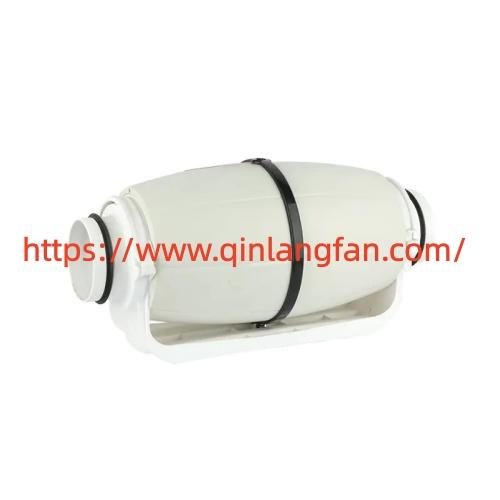
Duct Silent Fan technology can help indoor spaces receive steady air circulation without making ventilation an unwelcome part of daily life. In bedrooms, offices, hotels, and meeting rooms, people notice when the air feels stale, but they also notice a constant humming sound during work or rest. The challenge is to move enough air through the building while keeping operating noise at a comfortable level. That result depends on equipment selection, system layout, and installation details working together.
Think about a small office on a busy afternoon. Several people are working, computers are running, and the windows remain closed because of outside noise or weather. If air circulation is insufficient, the room may begin to feel stuffy. Simply increasing the equipment speed can move more air, but it may also increase the sound level. A better approach is to examine the room requirements and identify a configuration that can provide the necessary airflow under actual operating conditions.
The first thing worth checking is air volume. A product specification may list a rated airflow figure, but that number alone does not explain how much air will reach the intended room after installation. Long ventilation paths, narrow sections, filters, bends, and grilles all add resistance. When choosing equipment, buyers should provide the supplier with the room size, intended use, ventilation route, and required air exchange rate. These details help establish a realistic performance target rather than relying on a number from a catalogue.
Noise control starts with the equipment itself, but it does not end there. Motor design, impeller balance, casing construction, and operating speed can influence the sound produced during operation. Buyers should ask for available sound data and clarify the conditions under which the measurements were taken. A rating measured under one set of conditions may not represent what occupants hear after the unit is connected to a complete ventilation system.
The surrounding installation can change the experience considerably. Poorly supported equipment may transfer vibration into ceilings, walls, and metal connections. Abrupt changes in pipe dimensions or sharp turns can disturb airflow and create unwanted noise. Suitable mounting supports, properly aligned connections, and gradual transitions can help reduce these problems. Where quiet surroundings matter, such as bedrooms or private offices, the installation position deserves attention before construction begins.
There is also a balance between air movement and energy use. Running equipment at an unnecessarily high speed may consume additional electricity and create more noise than the application requires. Variable speed control can help adjust output to changing conditions, provided the selected motor and control system support it. For example, a meeting room may need greater ventilation when occupied and less when empty. Matching operation to demand can make everyday use more practical.
Maintenance should not be overlooked either. Dust accumulation on internal components, blocked filters, loose fasteners, and worn bearings can affect both performance and sound. An accessible installation makes routine inspection easier, while a clear maintenance schedule helps building operators identify changes before they become persistent problems. Buyers planning commercial projects should ask about service access, replacement parts, cleaning requirements, and the expected inspection process before confirming an order.
Different buildings also bring different priorities. A hotel may need comfortable sleeping rooms, a restaurant may require regular removal of humid air and cooking related odors, and an office may need balanced circulation across several occupied areas. One configuration will not automatically suit every situation. The required airflow, available installation space, operating schedule, ambient conditions, and sound expectations should guide the final decision.
For manufacturers and project buyers, clear communication at the quotation stage saves time later. Prepare the required performance figures, electrical supply details, installation dimensions, and a description of the working environment. Ask the supplier to confirm the proposed configuration and provide relevant technical specifications. Qinlang offers ventilation equipment for a range of application requirements, giving buyers a starting point for discussing project needs and suitable configurations. Visit https://www.qinlangfan.com/ to review the company product range and identify options for your next ventilation project.

 Arabic
 French
 Spanish
 Portuguese
 Deutsch
 Turkish
 Dutch
 Italiano
 Russian
 Romaian
 Portuguese (Brazil)
 Greek
