


How Can a Time Relay Producer Support OEM Projects?
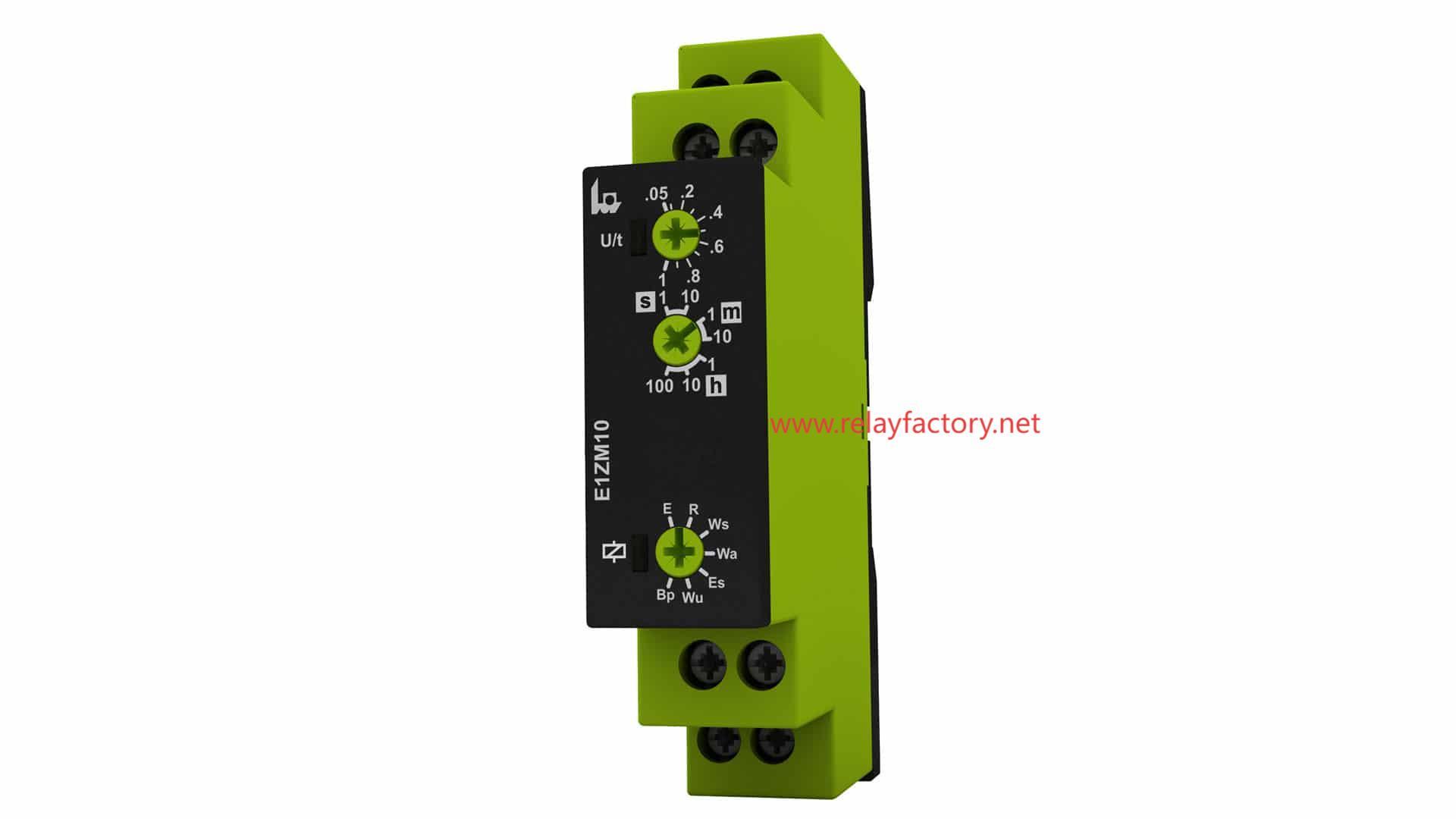
Time Relay Producer selection deserves a structured review when buyers need timing control components for industrial equipment, electrical panels, or OEM projects. Beyond comparing quotations, purchasing teams should examine how a manufacturer handles product specifications, production records, inspection procedures, sample approval, and order changes. These details help buyers understand how a proposed supply arrangement fits their technical needs and purchasing plans before committing to an order.
Check Whether the Product Fits Your Application
Begin with the operating conditions of the equipment. Prepare the required supply voltage, AC or DC input, connected load, contact arrangement, delay range, and expected operating frequency. Explain how the timing function interacts with the wider control system, including startup sequences, shutdown actions, and repeated operating cycles.
Installation compatibility also needs attention. Provide the permitted dimensions, mounting method, terminal layout, and available wiring space. If you are replacing an existing component, share its model reference, wiring diagram, and photographs where available.
A complete specification gives the technical team a practical basis for reviewing the requested configuration. It also reduces uncertainty when different models have similar appearances but different electrical ratings or operating functions.
Review Production Records and Process Controls
Ask how materials are identified when they arrive and how approved components are transferred through assembly and inspection. A manufacturer should be able to explain the procedures relevant to the product being discussed and clarify how production instructions are maintained.
Document control deserves particular attention. If a drawing, material specification, or assembly instruction changes, buyers should understand how the revision is approved and communicated. This helps prevent outdated requirements from being used during subsequent orders.
For larger purchasing programs, ask how production batches are identified and whether relevant records can be retrieved when questions arise. The available information may vary by product and manufacturing arrangement, so clarify what documentation can be provided before placing an order.
Examine Inspection Methods and Test Evidence
A product description alone does not explain how finished units are evaluated. Buyers should ask which inspections apply to the selected model, such as dimensional checks, electrical measurements, functional verification, connection checks, and visual examination.
The inspection plan should relate to the intended application. For example, a buyer may need confirmation of a particular delay range, contact configuration, or installation dimension. Those requirements should be stated clearly so that the inspection criteria can be agreed upon before production begins.
Ask whether test results are recorded and whether relevant reports can be supplied. If the project requires specific compliance documents, confirm their availability and scope for the actual model and intended market. Avoid assuming that a document covering one product automatically applies to every configuration.
Evaluate the Sample Approval Process
A sample can help buyers assess practical details that may not be obvious from a specification sheet. Check the physical dimensions, terminal positions, labeling, mounting fit, adjustment method, and operating behavior against the approved requirements.
Before sample production, agree on what needs to be evaluated and who will authorize the configuration. Record any requested modifications and ensure that the revised details are confirmed by both parties.
For projects involving larger quantities, clarify how the approved sample relates to the subsequent production order. The model reference, drawing revision, packaging instructions, and acceptance criteria should be documented to give purchasing and quality teams a shared reference.
This process is particularly useful when equipment has limited installation space or when the buyer needs consistent identification across repeated purchases.
Ask How Product Changes Are Managed
Manufacturing projects can change after the initial quotation. A buyer may revise an electrical parameter, request different packaging, update a label, or change the planned order quantity. It is important to understand how these requests are reviewed before they are accepted.
Ask who evaluates a proposed change, whether it affects cost or delivery timing, and how approval is recorded. Technical changes may require a new sample or additional checks, depending on their effect on the product.
When evaluating relayfactory, buyers can prepare a list of confirmed requirements and outstanding questions. This makes it easier to discuss product options, identify information that still needs clarification, and coordinate the next steps without relying on assumptions.
Compare Supply Arrangements and Delivery Planning
A useful quotation should clearly identify the proposed configuration, quantity, unit pricing, packaging, documentation, and delivery terms. When comparing offers, check that each supplier is quoting against the same technical requirements.
Ask about expected production timing, order confirmation procedures, and how schedule changes are communicated. For recurring purchases, discuss estimated demand and the process for submitting repeat orders. These conversations help both parties plan around the buyer's production schedule.
It is also worth clarifying how questions are handled after delivery. Buyers should know where to direct requests for documentation, installation information, or investigation of a reported issue. Keeping communication responsibilities clear can make ongoing cooperation easier to coordinate.
Prepare a Supplier Evaluation Checklist
Before making a decision, purchasing teams can score each candidate against the same practical criteria: application compatibility, inspection evidence, document control, sample approval, change management, communication, and delivery planning. Record any unanswered questions and request clarification before approving the supplier.
The evaluation should reflect the project's actual requirements rather than general promotional statements. A compact checklist also helps engineering, procurement, and quality personnel discuss the decision using consistent information.For companies sourcing timing control components, relayfactory offers a starting point for discussing product requirements and potential supply arrangements. Visit https://www.relayfactory.net/ to review the available product information and submit your application details, technical specifications, expected quantities, and delivery needs for further discussion.

 Arabic
 French
 Spanish
 Portuguese
 Deutsch
 Turkish
 Dutch
 Italiano
 Russian
 Romaian
 Portuguese (Brazil)
 Greek
