


Skin Cancer Excision In UK: Why Is the Location of a Skin Lesion Important?
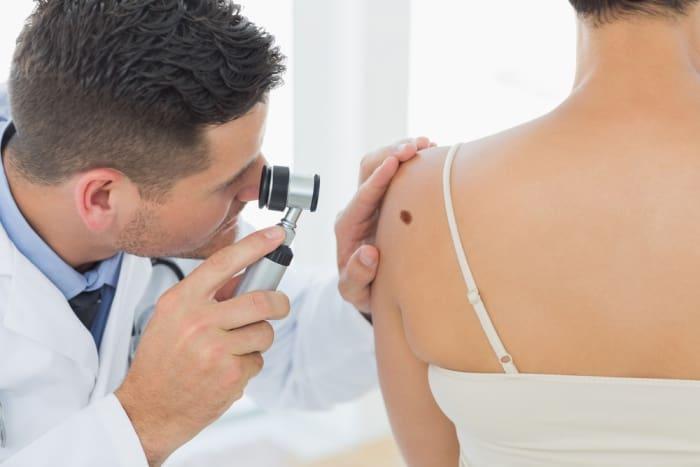
Skin lesions can develop on almost any part of the body, from the face and scalp to the arms, legs, chest and back. While many skin changes are harmless, some may require further investigation to determine whether they are cancerous. When skin cancer is diagnosed, the location of the lesion becomes an important consideration in planning appropriate treatment. It can influence how a doctor approaches the procedure, how much surrounding tissue may need to be removed and how the wound may be closed.
Skin Cancer Excision In UK involves surgically removing a skin lesion suspected or confirmed to be cancerous, together with an appropriate margin of surrounding tissue when indicated. The precise approach depends on the type of skin cancer, its size, its depth and its position on the body. A lesion on the nose, for example, presents different surgical considerations from one on the back or thigh because the skin structure, available tissue and functional requirements vary between these areas.
Understanding why location matters can help patients prepare for consultations and appreciate how doctors develop individualised treatment plans. At Well Life Clinic, patients can discuss their skin concerns with a healthcare professional who can assess the lesion and explain the appropriate next steps.
Why Is the Location of a Skin Lesion Important?
The position of a skin lesion provides important information when planning its assessment and removal. Different parts of the body have different skin thicknesses, levels of movement, blood supplies and relationships with nearby structures. These differences can influence the surgical technique and the way the wound is managed.
For example, skin on the eyelids is thin and delicate, while skin on the back may be thicker and have more tissue available for wound closure. Lesions around the lips, ears, fingers or joints may also require particular attention because these areas are involved in essential functions or frequent movement.
Location can also affect the visibility of a scar after treatment. A mark on the face may be more noticeable than one covered by clothing, although the final appearance depends on several factors, including wound healing and the individual's skin characteristics.
Doctors therefore consider the anatomical position alongside the diagnosis rather than selecting a removal method based on appearance alone.
How Does the Body Area Influence Surgical Planning?
Facial Skin Lesions
The face is one of the most important areas to consider when planning skin cancer excision. Facial features are closely positioned, and even a relatively small lesion may lie near the eyelids, nose, lips or ears.
The surgeon must consider the need to remove the affected tissue appropriately while preserving nearby structures and maintaining function. The amount of tissue available for closure may be limited, particularly around the nose and eyelids.
Where necessary, the treatment plan may involve specialist surgical techniques or referral to a clinician with appropriate expertise. The choice depends on the cancer type, its size, its location and the complexity of the procedure.
Lesions on the Scalp
The scalp has a different structure from many other skin areas because it contains hair follicles and has a relatively firm underlying layer. Lesions in this region may be difficult for patients to monitor, especially when hidden by hair.
During assessment, the doctor considers the lesion's dimensions, its position and its relationship with surrounding tissue. Hair growth, the tension on the scalp and the amount of available skin may influence how the wound can be closed.
Patients should mention any persistent sore, changing patch or unusual growth on the scalp, particularly if it is difficult to see clearly.
Lesions on the Arms and Legs
The arms and legs contain areas where skin movement and tension can affect wound management. Lesions near the knees, elbows, wrists or ankles may require additional consideration because these joints move frequently.
The surgeon assesses whether the planned wound closure will allow comfortable movement and appropriate healing. The lower legs can present particular challenges because the skin may be less flexible in some areas.
The location does not automatically determine the complexity of treatment, but it helps the clinician anticipate practical requirements and plan suitable aftercare.
Lesions on the Chest and Back
The chest and back often provide more available skin than areas such as the nose or eyelids. However, tension along natural skin lines can influence how a surgical wound is closed and how the resulting scar develops.
A lesion on the upper back, for example, may be affected by shoulder movement or pressure from clothing. The doctor considers the direction of the incision, the surrounding skin and the size of the area that needs to be removed.
These factors help guide the choice of closure technique and the advice provided for caring for the wound after treatment.
Does Location Affect the Amount of Skin Removed?
The amount of tissue removed is primarily determined by the type of skin cancer, its size, its depth and the margins required for appropriate treatment. Location is an additional consideration because it may affect which surgical techniques are suitable.
In many cases, the surgeon removes the visible lesion along with a planned margin of surrounding tissue. The purpose of this margin is to help remove cancerous cells that may extend beyond the visible edge. The required margin varies according to the diagnosis and the treatment approach.
For certain cancers, specialised procedures such as Mohs micrographic surgery may be considered, particularly where preserving healthy tissue is important. This technique examines the removed tissue in stages to assess whether cancer cells remain at the edges.
A lesion close to an important facial structure may require a carefully planned approach, but its position does not mean that an inadequate margin should be used. The treatment plan must balance complete cancer removal with the preservation of healthy tissue and function.
Why Are Lesion Size and Depth Also Important?
Although location is significant, it is only one part of the assessment. Two lesions in the same body area may require different treatments because their biological characteristics differ.
The doctor considers the lesion's size, depth, growth pattern and appearance, together with any available biopsy results. Some skin cancers remain relatively localised, while others may grow into deeper tissue or have a greater likelihood of spreading.
A biopsy may be required to establish the diagnosis before definitive treatment. In other situations, the clinician may recommend a specific surgical procedure based on the information already available.
The final plan should reflect the cancer type and its characteristics, rather than relying solely on where the lesion appears on the body.
How Does Location Influence Scarring and Wound Closure?
Wound closure is an important part of skin cancer surgery. Once the affected tissue has been removed, the surgeon determines the most appropriate way to manage the resulting wound.
Depending on the size and location of the excision, the wound may be closed directly with stitches or may require a different reconstructive approach. Larger wounds or those in areas with limited skin flexibility may need additional planning.
Several factors influence the eventual scar, including:
- The size and depth of the surgical wound.
- The location and direction of the incision.
- The amount of tension placed on the healing skin.
- The individual's natural healing pattern.
- Adherence to wound-care instructions.
A scar on the face may be more visible, while one on the back or a limb may be affected by movement, clothing or skin tension. However, no location guarantees a particular cosmetic outcome.
If a scar remains prominent after healing, Scar Revision Surgery In UK may be discussed where clinically appropriate. Scar revision is considered separately from cancer treatment and should only be planned after the original site has been assessed and the treating clinician is satisfied that the cancer management is appropriate.
What Happens During a Skin Cancer Excision Consultation?
A consultation helps the clinician understand the lesion, review relevant medical information and determine the appropriate next step. Patients should explain when they first noticed the skin change and whether it has altered in size, colour, shape or texture.
The doctor may examine the lesion and the surrounding skin, ask about previous skin cancers and review any biopsy or pathology reports. Depending on the findings, further investigation or referral may be recommended.
The discussion may cover:
- The suspected or confirmed type of skin cancer.
- The lesion's size, depth and anatomical location.
- The recommended removal technique.
- Whether additional specialist assessment is necessary.
- How the wound may be closed and cared for.
- Whether the removed tissue will require laboratory examination.
Patients should also mention relevant medicines, allergies and previous experiences with wound healing. This information helps the clinician plan the procedure and provide suitable instructions.
Why Is Follow-Up Important After Skin Cancer Removal?
Removing a lesion is an important part of treatment, but follow-up also plays a valuable role. The excised tissue is commonly sent for histopathological examination so that a specialist can assess the diagnosis and whether the edges are clear of cancer cells.
If the pathology report identifies cancer cells at the margin, further treatment may be recommended. The next step depends on the cancer type, its location and the findings of the examination.
Follow-up may also involve checking how the wound is healing and explaining how to monitor the treated area. Patients who have had skin cancer may benefit from ongoing skin checks, depending on their diagnosis and individual circumstances.
It is helpful to become familiar with the appearance of your skin and seek medical advice if a new or changing lesion develops. A previously treated area should also be reviewed if it develops a persistent sore, unusual growth or other concerning change.
How Can Patients Prepare for Skin Cancer Excision?
Preparing for treatment begins with understanding the recommended procedure and following the clinician's instructions. Patients should provide accurate information about their medical history and bring any relevant biopsy reports or previous treatment records.
Before the appointment, consider preparing questions about the planned excision, the expected wound size, the closure method and the follow-up process. If the lesion is in a visible area, patients may also wish to ask how the surgical approach takes its location into account.
After the procedure, follow the wound-care guidance provided by the treating team. Attend recommended follow-up appointments and contact the clinic if the wound does not appear to be healing as expected or if new concerns arise.
Patients should avoid delaying assessment of a lesion that is growing, changing, bleeding without a clear cause or failing to heal. Early medical evaluation helps establish whether further investigation is needed.
Conclusion
The location of a skin lesion is an important factor in planning skin cancer excision because it influences the surgical approach, the availability of surrounding tissue, wound closure and the preservation of nearby structures. Lesions on the face, scalp, limbs and trunk each present different practical considerations, making individual assessment essential.
However, location is not the only factor that determines treatment. The type of skin cancer, its size, depth and pathology findings are equally important when deciding how much tissue to remove and whether additional treatment is necessary.
Through Skin Cancer Excision In UK, patients can receive an assessment of their skin lesion and discuss an appropriate treatment plan with a qualified healthcare professional. If you have noticed a persistent or changing skin lesion, arrange a medical assessment rather than relying on appearance alone. To discuss your concerns or understand the next steps, you can Book Skin Surgery Appointment In UK with Well Life Clinic.
Frequently Asked Questions
1. Why does the location of a skin lesion matter during cancer removal?
Location affects the amount of available skin, the proximity of important structures, wound closure options and the potential visibility of a scar. It is considered alongside the type, size and depth of the cancer.
2. Is skin cancer excision different for facial lesions?
Facial excision may require particular attention because lesions can be close to the eyes, nose, lips or ears. The surgeon plans treatment to remove the cancer appropriately while considering the preservation of function and appearance.
3. Does a skin lesion on the leg require a different approach?
It may. The skin's flexibility, the lesion's position near a joint and the amount of tension on the wound can influence surgical planning. The appropriate approach depends on the individual lesion and the patient's circumstances.
4. Does the location determine how much tissue is removed?
No. The required amount of tissue depends mainly on the type and extent of the cancer and the recommended surgical margins. Location may influence the technique used to achieve appropriate removal.
5. Will skin cancer excision leave a scar?
Skin cancer excision usually leaves some degree of scarring. The final appearance depends on the wound's size, location, closure method and individual healing characteristics.
6. What happens if the lesion is close to the eye or nose?
The clinician considers the nearby structures and may recommend a specialist technique or referral when necessary. The objective is to manage the cancer appropriately while preserving important functions and surrounding healthy tissue.
7. Can scar revision be considered after skin cancer removal?
Scar revision may be an option for selected patients once the original wound has healed and the treating clinician has confirmed that further cancer treatment is not required. Suitability depends on the scar and the individual's circumstances.
8. How do I arrange a skin cancer excision consultation in the UK?
You can contact Well Life Clinic to discuss your skin concern and ask about the assessment process. Bring any relevant medical records or biopsy results, and explain any changes you have noticed in the lesion.

 English
 Arabic
 French
 Spanish
 Portuguese
 Deutsch
 Turkish
 Dutch
 Italiano
 Russian
 Romaian
 Greek
