


The Importance of Precision: Why PAT Meter Calibration is Non-Negotiable
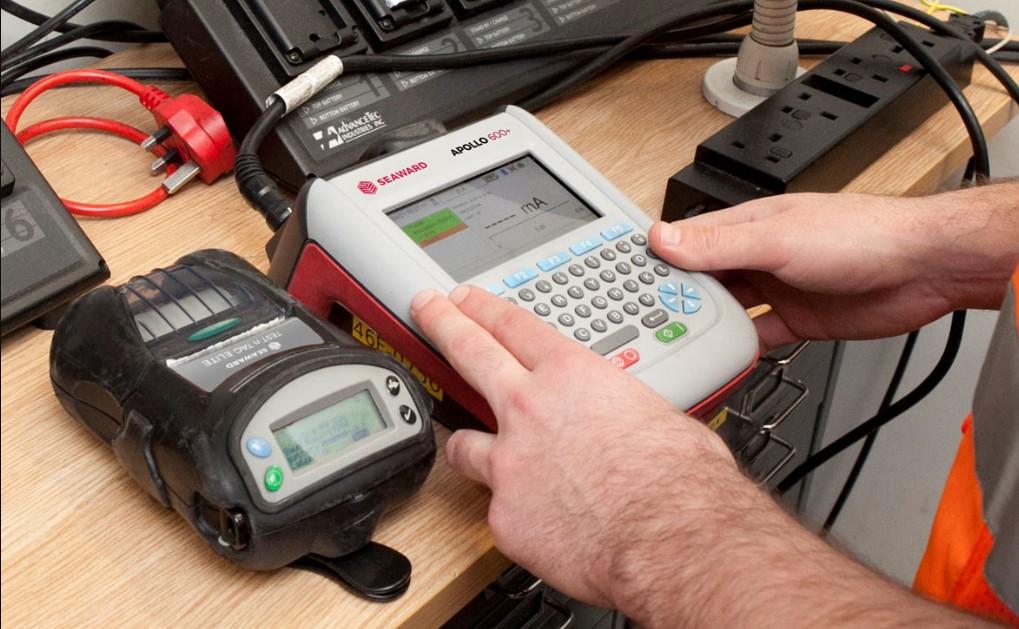
In the world of electrical safety, the Portable Appliance Testing (PAT) meter is your most critical diagnostic tool. It is the gatekeeper that determines whether a piece of equipment is safe to operate or a potential fire and shock hazard. However, a common oversight in many maintenance departments is the assumption that once purchased, a PAT meter remains accurate indefinitely. Like any precision measuring instrument, a PAT meter is subject to drift, electronic degradation, and the wear and tear of daily field use. Relying on an uncalibrated meter is not just bad practice; it is a fundamental breakdown in safety protocol that can lead to false positives—passing a dangerous appliance—or false negatives—unnecessarily condemning perfectly functional equipment. Maintaining the accuracy of your device through regular calibration is the only way to ensure that your safety testing is legally defensible and technically sound.
Understanding the Calibration Lifecycle
Calibration is the process of comparing your PAT meter’s readings against a known, traceable laboratory standard. Over time, internal components—such as resistors, capacitors, and voltage references—can experience subtle shifts due to environmental factors, vibrations during transport, and the simple passage of time. A professional calibration service verifies that your device is outputting the correct test currents, voltages, and resistance values required to meet the current standards. If the readings deviate from the laboratory standard, the device is adjusted back to its original factory specifications. This cycle of verification is usually recommended on an annual basis. Without this audit trail, your testing results lack integrity, and should an incident occur, you would find it impossible to prove in a court of law or to an insurance company that your safety testing regime was performed with calibrated, accurate equipment.
Professional Training as the Foundation of Accuracy
While calibration services handle the physical adjustment of your meter, the technician remains the primary variable in the accuracy of the entire testing process. Possessing a calibrated device is only half the battle; knowing how to interpret its readings, select the correct test parameters for different equipment classes, and perform the tests safely is what defines a competent operator. Many individuals struggle with the complexities of electrical compliance simply because they lack formal training in the underlying testing principles. This is where a formal pat testing course becomes an indispensable asset. Such training provides an in-depth understanding of the legislative requirements, the specific testing sequences required for Class I and Class II appliances, and the crucial logic needed to diagnose why an appliance might be failing a test. It bridges the gap between simply pushing a button on a machine and understanding the electrical health of the device you are inspecting.
Troubleshooting Test Failures and Meter Errors
There are moments when a PAT meter returns an unexpected fail reading. Is the appliance actually faulty, or is there a problem with your test leads, the contact point, or your meter’s calibration? A skilled operator learns to differentiate between an appliance defect and an instrumentation issue. For instance, a failing insulation resistance test might be due to a faulty heating element in a kettle, or it might be a result of oxidized probes on your meter not making a proper connection. A comprehensive pat testing course teaches these diagnostic techniques, empowering technicians to perform quick verification checks on their leads and connections before assuming an appliance is unsafe. By mastering these troubleshooting steps, you minimize downtime and prevent the premature disposal of equipment that might otherwise have been perfectly safe to continue using, provided the testing methodology was correct.
Building a Culture of Compliance and Safety
Ultimately, the goal of PAT testing is to protect people from the dangers of faulty electrical appliances. This is an ongoing responsibility that demands a culture of safety within the workplace. This culture is built upon the pillars of reliable equipment, trained personnel, and rigorous adherence to testing schedules. When management invests in both regular meter calibration and the professional development of their staff through a reputable pat testing course, they are fostering an environment of excellence. They are acknowledging that electrical safety is a technical field that requires specialized expertise. By ensuring that your team is fully trained and your equipment is professionally calibrated, you provide the highest level of assurance to your organization. This proactive stance is not merely about ticking boxes for compliance; it is a professional commitment to safety that ensures every appliance you test remains a trusted tool in your environment rather than a hidden risk.

 Arabic
 French
 Spanish
 Portuguese
 Deutsch
 Turkish
 Dutch
Dutch
 Italiano
 Russian
 Romaian
 Portuguese (Brazil)
 Greek
Greek
