


Signs of Iron Deficiency: Symptoms, Causes and What to Do
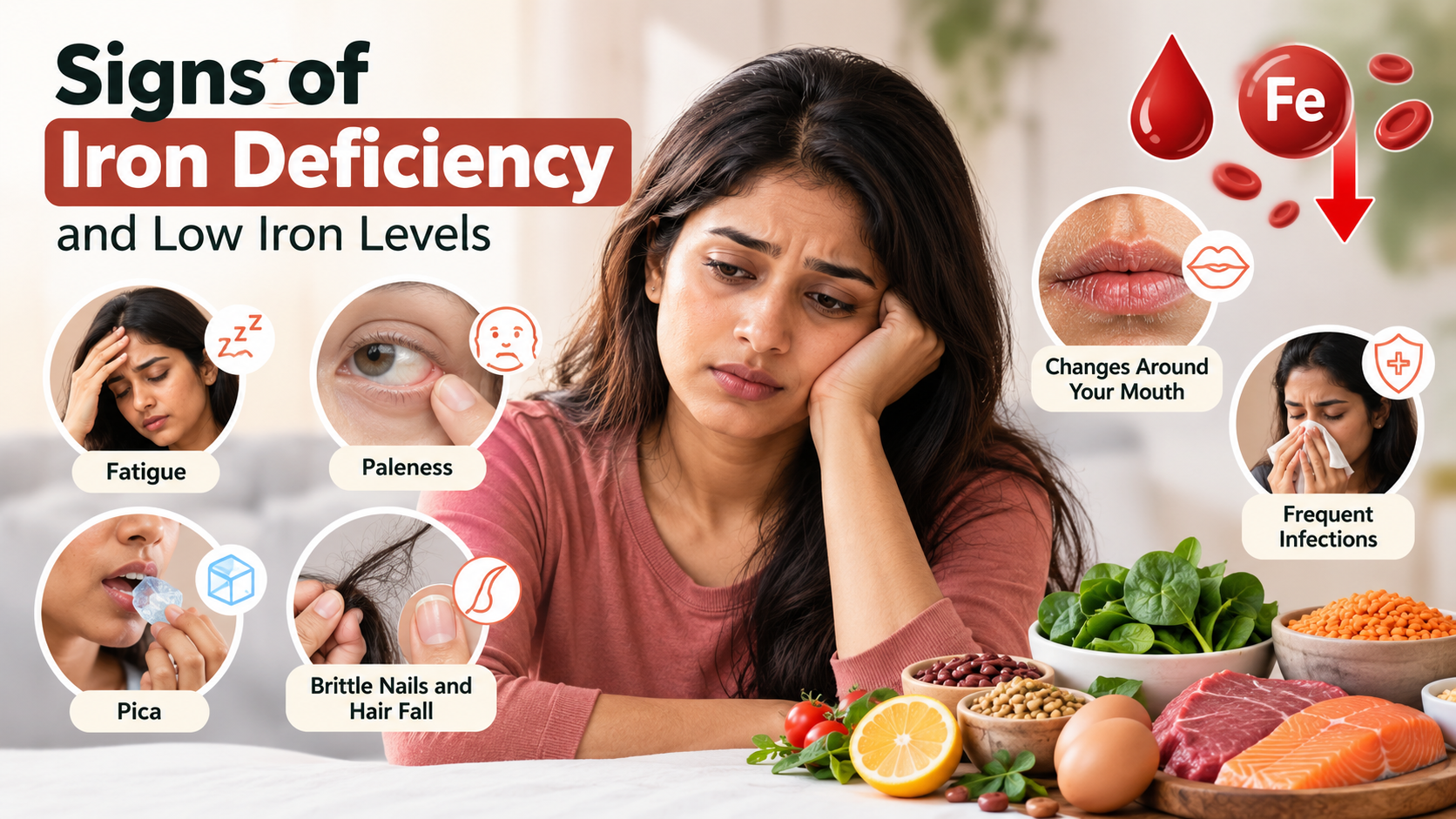
Iron plays an important role in carrying oxygen throughout the body. It is needed to produce hemoglobin, the protein in red blood cells that helps deliver oxygen to tissues and muscles. When iron levels become too low, the body may struggle to meet its oxygen needs, which can eventually lead to iron-deficiency anemia.
The early symptoms can be easy to overlook. Many people simply blame tiredness, poor concentration, or low energy on a busy routine. Understanding the common Signs of Iron Deficiency can help you recognize when it may be worth discussing your health with a professional.
Common Signs of Iron Deficiency
1. Constant Tiredness
Feeling unusually tired is one of the most common symptoms. You may feel drained even after getting enough sleep, or everyday activities such as climbing stairs or walking may feel more tiring than usual.
2. Weakness and Low Energy
Low iron can affect how efficiently oxygen reaches muscles. As a result, you may notice reduced stamina during exercise or find that routine physical activities require more effort.
3. Dizziness or Headaches
Iron-deficiency anemia can cause dizziness, lightheadedness, and headaches. These symptoms may become more noticeable during physical activity or when standing up quickly.
4. Pale Skin or Feeling Cold
Some people develop paler-than-usual skin or frequently experience cold hands and feet. These changes can occur because of reduced oxygen delivery and changes associated with anemia.
5. Difficulty Concentrating
Iron deficiency may also affect concentration and mental performance. You might find it harder to focus on work, studies, or everyday tasks.
6. Brittle Nails or Unusual Cravings
Brittle or spoon-shaped nails can occur in iron-deficiency anemia. Another unusual symptom is pica, which means craving or eating non-food substances such as ice, clay, dirt, or paper.
Why Does Iron Deficiency Happen?
Low iron does not always mean that someone simply needs to eat more iron-rich foods. Possible causes include inadequate dietary intake, blood loss, increased nutritional requirements, and problems absorbing iron.
People with heavy menstrual bleeding may have a higher risk, while pregnancy also increases the body's iron requirements. Certain digestive conditions can interfere with iron absorption as well.
Foods That Can Support Iron Intake
A balanced diet can provide iron through both animal and plant sources. Examples include:
-
Lentils, beans, and chickpeas
-
Green leafy vegetables
-
Tofu and other soy foods
-
Eggs
-
Lean meat and seafood
-
Iron-fortified cereals and grains
Pairing plant-based iron sources with vitamin C-rich foods such as citrus fruits, tomatoes, guava, or bell peppers can help improve iron absorption. Tea and coffee around meals may reduce absorption, so timing can matter.
Common Mistakes to Avoid
One common mistake is taking iron supplements without confirming that iron deficiency is actually the problem. Fatigue and weakness can have many possible causes, so self-diagnosis is not always reliable.
Another mistake is focusing only on iron intake while ignoring the reason for low iron. If deficiency is linked to blood loss or poor absorption, simply changing the diet may not address the underlying issue.
When Should You Seek Help?
If tiredness, dizziness, breathlessness, unusual cravings, or other symptoms continue, speak with a qualified healthcare professional. Blood tests such as a complete blood count and tests that assess iron stores may be used to evaluate iron deficiency.
For practical nutrition guidance, resources from FitLadder can also help readers understand how food choices and balanced eating patterns fit into everyday health.
Recognizing possible symptoms early is useful, but the goal should not be to diagnose yourself from symptoms alone. A proper evaluation can help identify whether low iron is responsible and determine the right approach.

 Arabic
 French
 Spanish
 Portuguese
 Deutsch
 Turkish
 Dutch
Dutch
 Italiano
 Russian
 Romaian
 Portuguese (Brazil)
 Greek
Greek
