


APAC Two-Wheeler Tire Industry: Fleet Growth, Replacement Demand, and EV Adoption
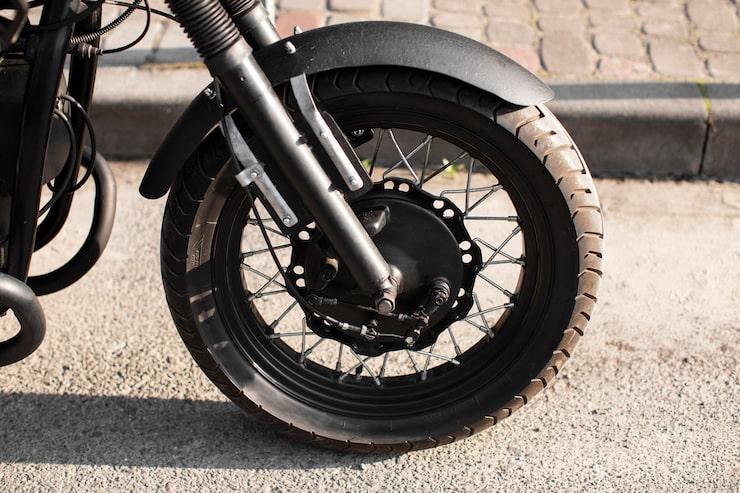
Two-wheelers remain a central component of personal mobility across Asia-Pacific, supported by affordability, fuel efficiency, maneuverability, and suitability for congested urban roads. Motorcycles, scooters, and mopeds serve commuters as well as delivery riders, ride-hailing operators, and small businesses. This broad utilization creates recurring tire requirements, with demand influenced by vehicle additions, mileage, road conditions, and replacement cycles across both developed and emerging economies.
According to the Asia-Pacific two-wheeler tire industry analysis from Markntel Advisor, the sector was valued at USD 12.68 billion in 2025 and is projected to increase from USD 13.62 billion in 2026 to USD 20.84 billion by 2032, reflecting a CAGR of 7.35% during 2026–2032. India represents about 30% of the regional demand in 2026, while motorcycles account for around 70% and aftermarket demand represents approximately 72%.
Large Two-Wheeler Fleets Sustain Tire Consumption
The scale of two-wheeler ownership across Asia-Pacific provides a substantial foundation for tire consumption. India, China, Indonesia, Vietnam, Thailand, and the Philippines are among the region's major two-wheeler markets. These vehicles are frequently used for commuting and commercial activities, meaning tires can accumulate mileage relatively quickly.
India illustrates the strength of regional demand. The Society of Indian Automobile Manufacturers reported that domestic two-wheeler sales reached 19.6 million units in FY2024–25, increasing 9.1% from the previous year. The SIAM industry data on two-wheeler sales also notes that electric two-wheelers exceeded 6% of India's overall two-wheeler sales during the same financial year, showing how fleet expansion is occurring alongside changes in vehicle technology.
Aftermarket Demand Remains Important
The aftermarket segment accounts for approximately 72% of APAC two-wheeler tire demand in 2026. This reflects the large installed vehicle base and the recurring need to replace worn tires. Frequent acceleration, braking, high mileage, uneven road surfaces, and heavy utilization can contribute to tread deterioration, requiring replacement during the vehicle lifecycle.
Replacement patterns also differ according to application. A privately used motorcycle may accumulate moderate annual mileage, whereas a delivery or ride-hailing vehicle can operate for substantially longer periods. Commercial riders therefore tend to place greater emphasis on durability, puncture resistance, wet-road grip, and service life when selecting replacement products.
Motorcycles Lead Regional Demand
Motorcycles represent about 70% of the regional two-wheeler tire industry in 2026. Their strong position reflects extensive use across personal transportation, intercity travel, and commercial mobility. Motorcycle adoption is particularly pronounced in countries where affordability and road congestion make two-wheelers practical alternatives to passenger vehicles.
Engine capacity also influences tire requirements. Larger motorcycles generally require tires with different load and speed characteristics than smaller commuter models. Meanwhile, the growth of delivery services and other commercial applications can increase tire utilization, strengthening the connection between motorcycle activity and replacement consumption.
Electric Two-Wheelers Create New Tire Requirements
Electrification is introducing another dimension to regional tire development. Electric motorcycles and scooters can have different weight distributions, torque characteristics, and efficiency requirements compared with internal-combustion models. Tire manufacturers consequently need to consider rolling resistance, load capacity, tread durability, and traction when developing products for electric applications.
The International Energy Agency reported that global electric two-wheeler sales reached almost 10 million units in 2025, with Southeast Asia sales approaching 900,000 units. Its Global EV Outlook 2026 analysis of electric two-wheelers identifies China, India, and Vietnam as particularly important markets, while electric two-wheeler adoption is also expanding across other Asian economies.
Smart Tire Technology Gains Attention
Connected tire technology is emerging as a notable development within the regional industry. Smart tires can incorporate sensors that collect information related to pressure, temperature, wear, grip, and operating conditions. This data can potentially support predictive maintenance and improve the ability of riders or service providers to identify tire-related issues before they become more serious.
For commercial two-wheelers, such capabilities could be particularly useful because vehicle downtime directly affects delivery schedules and rider income. Digital monitoring may also help fleet operators understand tire performance over time, compare operating conditions, and improve replacement planning.
Raw Material Costs Remain a Challenge
Natural rubber remains a critical input for tire manufacturing, exposing producers to changes in agricultural output, weather conditions, logistics, and commodity prices. Because several major natural rubber producers are located in Asia, developments in regional supply can have a direct influence on manufacturing economics.
Recent data from the Association of Natural Rubber Producing Countries indicates that global natural rubber production was projected at about 14.97 million tonnes in 2025, while consumption was estimated at approximately 15.30 million tonnes. The ANRPC rubber statistics and industry outlook highlight the importance of supply conditions for tire-producing economies.
Regional Outlook
The APAC two-wheeler tire industry is being shaped by a combination of high vehicle ownership, recurring aftermarket demand, motorcycle dominance, expanding electric mobility, and technological development. The large operating fleet across South and Southeast Asia provides a continuing replacement base, while China, India, and other major economies are influencing technology and consumption patterns.
Over the coming years, tire manufacturers are likely to focus increasingly on products that combine durability, wet-road performance, energy efficiency, and compatibility with electric two-wheelers. At the same time, smart tire systems and improved maintenance monitoring could gradually change how tire condition is managed. Raw material volatility, however, will remain an important consideration for manufacturers and the wider regional supply chain.

 English
 Arabic
 French
 Spanish
 Portuguese
 Deutsch
 Turkish
 Italiano
 Russian
 Romaian
 Portuguese (Brazil)
 Greek
Greek
